Experts Weigh Benefits and Risks of Cold Plunges for Hobbyists
Cold plunges offer short-term recovery, mood and metabolic perks but carry real cardiac and hypothermia dangers; talk to your doctor and keep sessions short.

Cold plunges have become a weekend ritual for many athletes and hobbyists chasing quicker recovery, better sleep and a sharper mood. Medical and health organizations say the practice can help with muscle soreness and circulation changes, but cardiologists warn the same shock that wakes up the body can also be dangerous.
Hospital consumer pages list a long roster of benefits: better circulation, decreased swelling, improved mood and sleep, reduced muscle soreness, faster recovery and even a possible metabolic lift from brown fat activation. One 2016 study cited by a leading health system found that people who regularly switched from hot to cold showers used 29 percent fewer sick days than those who didn’t, a result often invoked as suggestive evidence that cold exposure might boost immune response. One provider even summarizes research guidance into a practical rule: “Research shows that less is more with only 11 minutes a week of being fully submerged as the ideal number.” Many sources also emphasize that cold plunges are typically short baths in water no warmer than 60 degrees Fahrenheit.
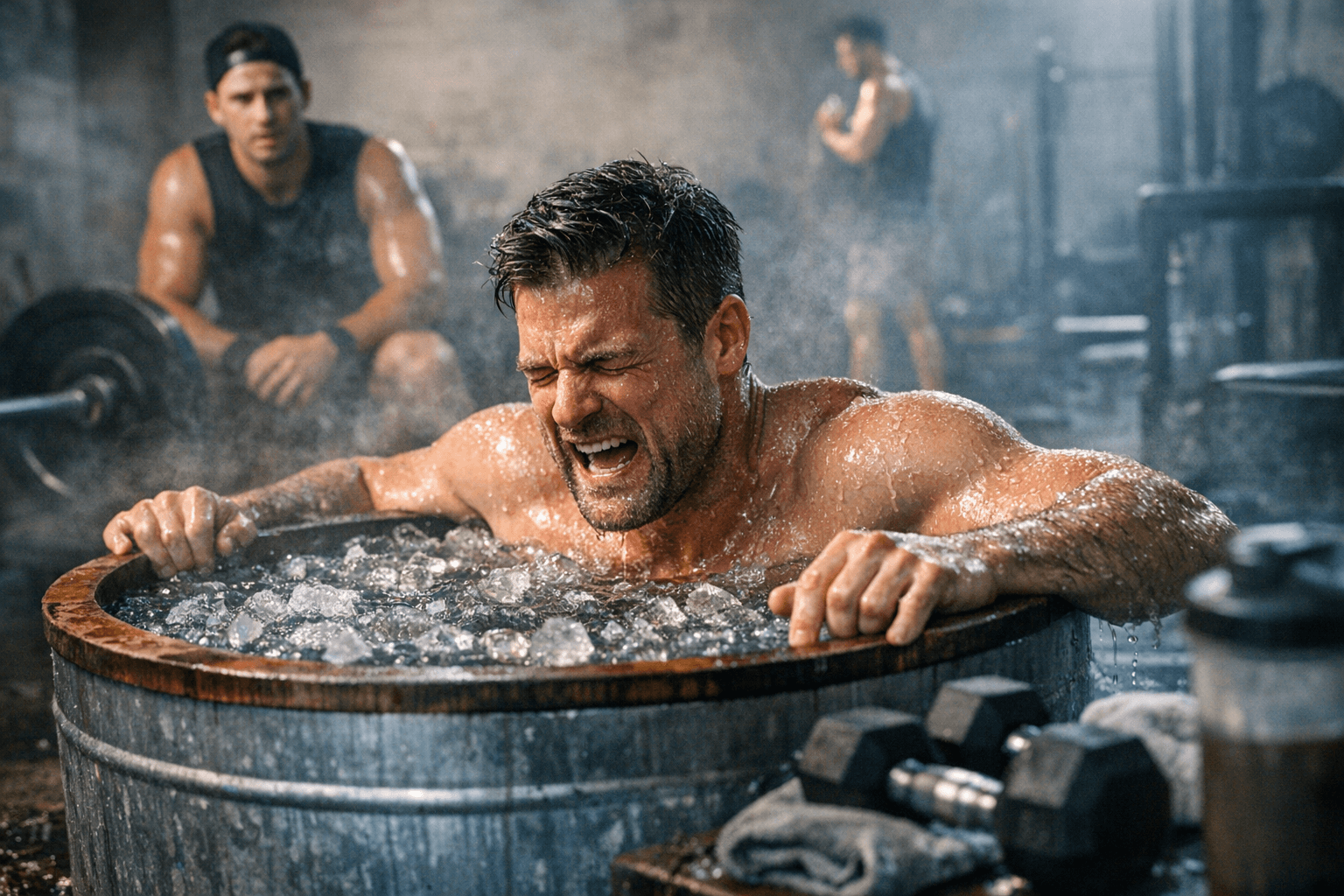
Those potential upsides come with clear mechanics explained by clinicians. Cold water causes vasoconstriction, which raises blood pressure and forces the heart to work harder; it shunts blood from the arms and legs to the core; and the initial cold shock triggers a rapid increase in breathing, heart rate and blood pressure. Those changes can blunt delayed onset muscle soreness by lowering muscle temperature and reducing inflammation, while the shock response releases endorphins and noradrenaline that can sharpen focus and lift mood.
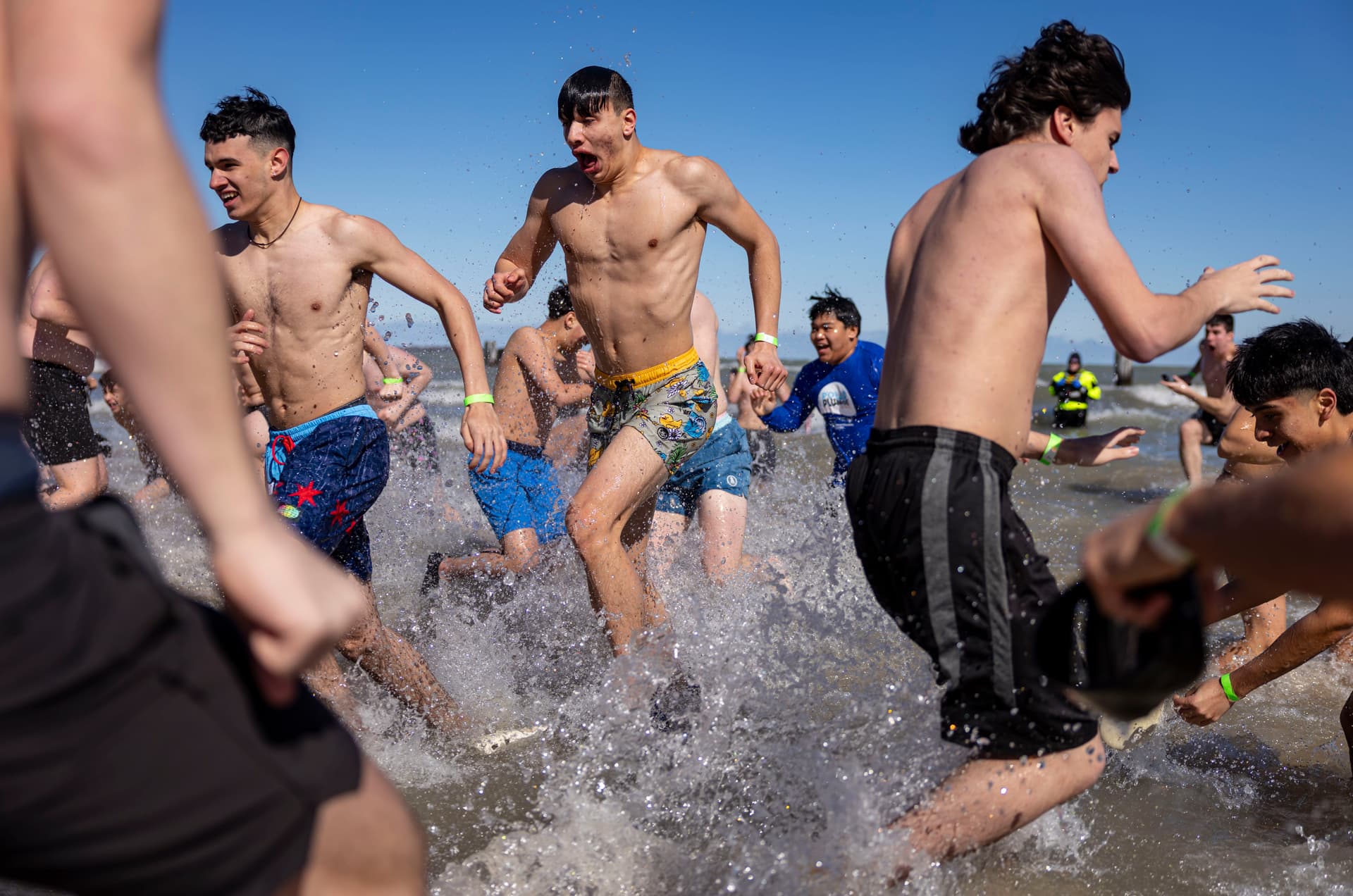
But cardiology voices offer blunt safety warnings. “That cold shock can be dangerous,” said Dr. Jorge Plutzky, director of preventive cardiology at Brigham and Women’s Hospital. “Plunging the body into cold water triggers a sudden, rapid increase in breathing, heart rate and blood pressure known as the cold shock response. That can cause a person to drown within seconds if they involuntarily gasp while their head is submerged. The shock also places stress on the heart and makes it work harder. Within minutes, the loss of heat begins causing other problems.” A national cold-water safety group puts the stakes in stark terms: “Sudden immersion in water under 60 degrees Fahrenheit can kill a person in less than a minute.” Being immersed also accelerates heat loss; water takes heat away from the body 25 times faster than air, increasing hypothermia risk.
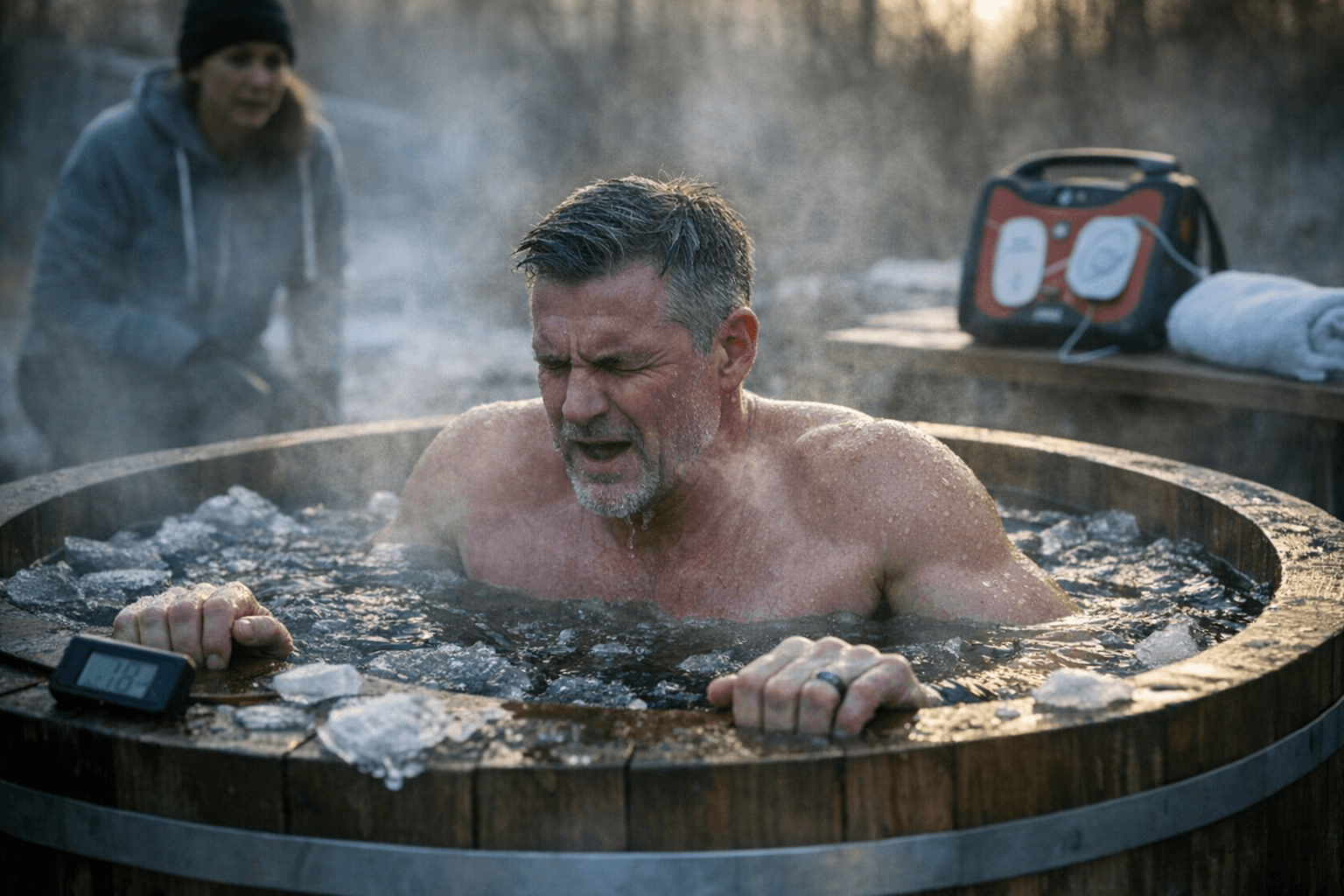
Practical implications are straightforward. Talk to your doctor before starting cold plunges, especially if you have heart disease, high blood pressure, a pacemaker, poor circulation, diabetes, Raynaud’s phenomenon, asthma, pregnancy or autoimmune conditions, or if you take medications that lower blood pressure or heart rate. Avoid plunges for acute injuries such as fractures or tendon tears and be cautious in open water. Keep sessions brief—providers echo the mantra “just a dip and that’s it!”—and never treat cold plunges as a substitute for medical care.
For hobbyists building a routine, the current landscape is mixed: promising mechanisms and small studies sit alongside expert caution about acute cardiac and drowning risk. Start conservative, get medical clearance if you have health issues, and prioritize safety over bragging rights—cold therapy can help you recover, but it can also take your breath away in more ways than one.
Know something we missed? Have a correction or additional information?
Submit a Tip