Explosion damages Dutch parliament party headquarters, suspect arrested in The Hague
An explosive device damaged D66’s Hague headquarters but caused no injuries, and police quickly arrested a suspect at a symbolically charged political target.
An explosive device damaged the headquarters of D66 in central The Hague, but no one was hurt and police arrested a suspect soon after the blast. The contrast was striking: a party office tied to the country’s governing politics was hit, yet the attack was contained fast enough to avoid casualties.
Prime Minister Rob Jetten, who leads D66, said the device was a fireworks bomb thrown through the building’s letterbox and described the incident as a cowardly attempt to intimidate the party. The blast went beyond simple vandalism because D66 has become one of the most visible symbols of the Netherlands’ political shift, after its breakthrough in the 2025 general election turned Jetten into a national figure.
D66 and Geert Wilders’ Party for Freedom were tied at 26 seats each when 98% of the vote had been counted, before D66 edged ahead by about 2,300 votes and secured its best-ever result. That narrow victory gave the party unusual prominence in government-formation talks and made its headquarters on Lange Houtstraat a highly charged target for anyone seeking to send a message.
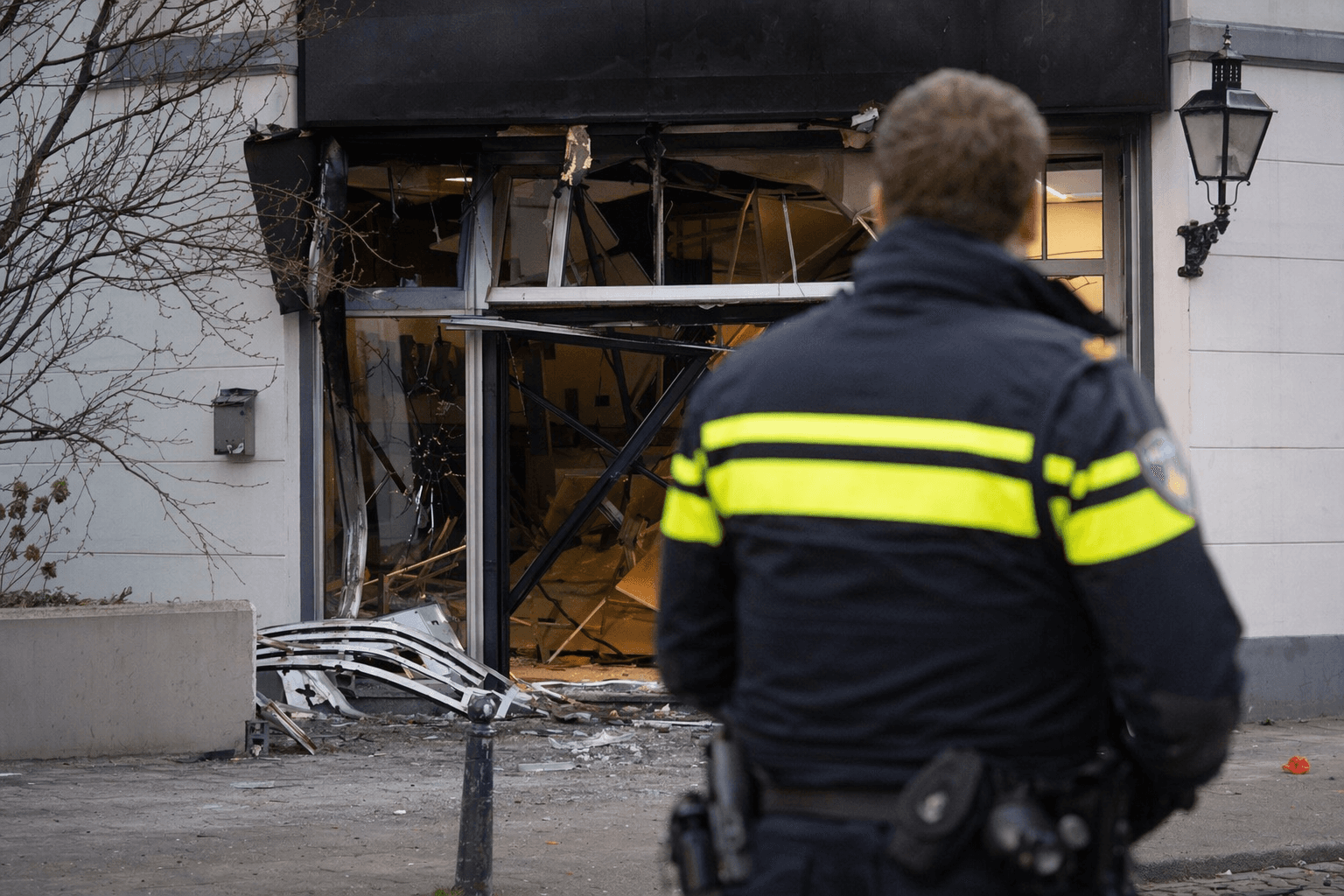
The explosion happened shortly after 9 p.m. local time, and some reports said it struck while D66’s youth wing was gathering at the site. That detail sharpened concerns that the attack was aimed not only at property but at the party’s political life as it unfolded in public.
The building had already been damaged during anti-immigration riots in The Hague on September 20, 2025, when about 1,500 protesters took part in unrest that included clashes with police, a police car set on fire and smashed windows at D66’s office. That earlier episode, centered on migration and anger at the political establishment, made the latest blast feel less like an isolated act than part of a wider climate of intimidation.
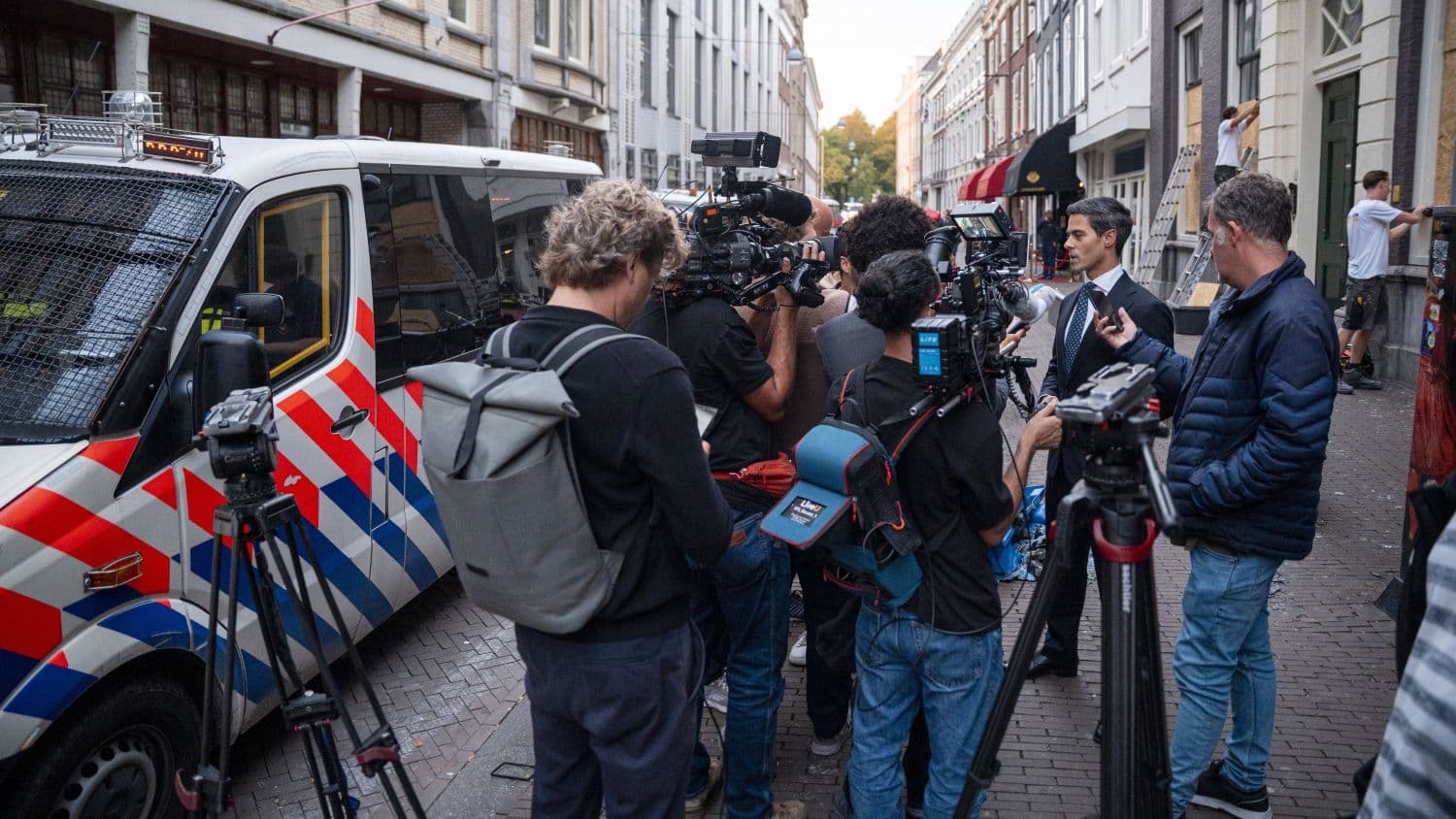
In a country where immigration, identity and Europe’s political direction remain volatile, the quick arrest did not remove the larger warning. The attack showed how election winners can become physical targets, and how the symbols of democratic power in the Netherlands can be pulled into the street level politics of anger and fear.
This article was produced by Prism’s automated news system from verified source data, official records, and press releases, then run through automated quality and moderation checks before publishing. The system is built and supervised by the people who set the standards it runs under. Read our full AI policy.
Did this article answer your question?

