Explosion on Colombia highway kills 13, wounds 17 in Cauca attack
A bomb on the Pan-American Highway in Cauca killed at least 13 and wounded 17, cutting into a key transport corridor as violence widened across southwest Colombia.

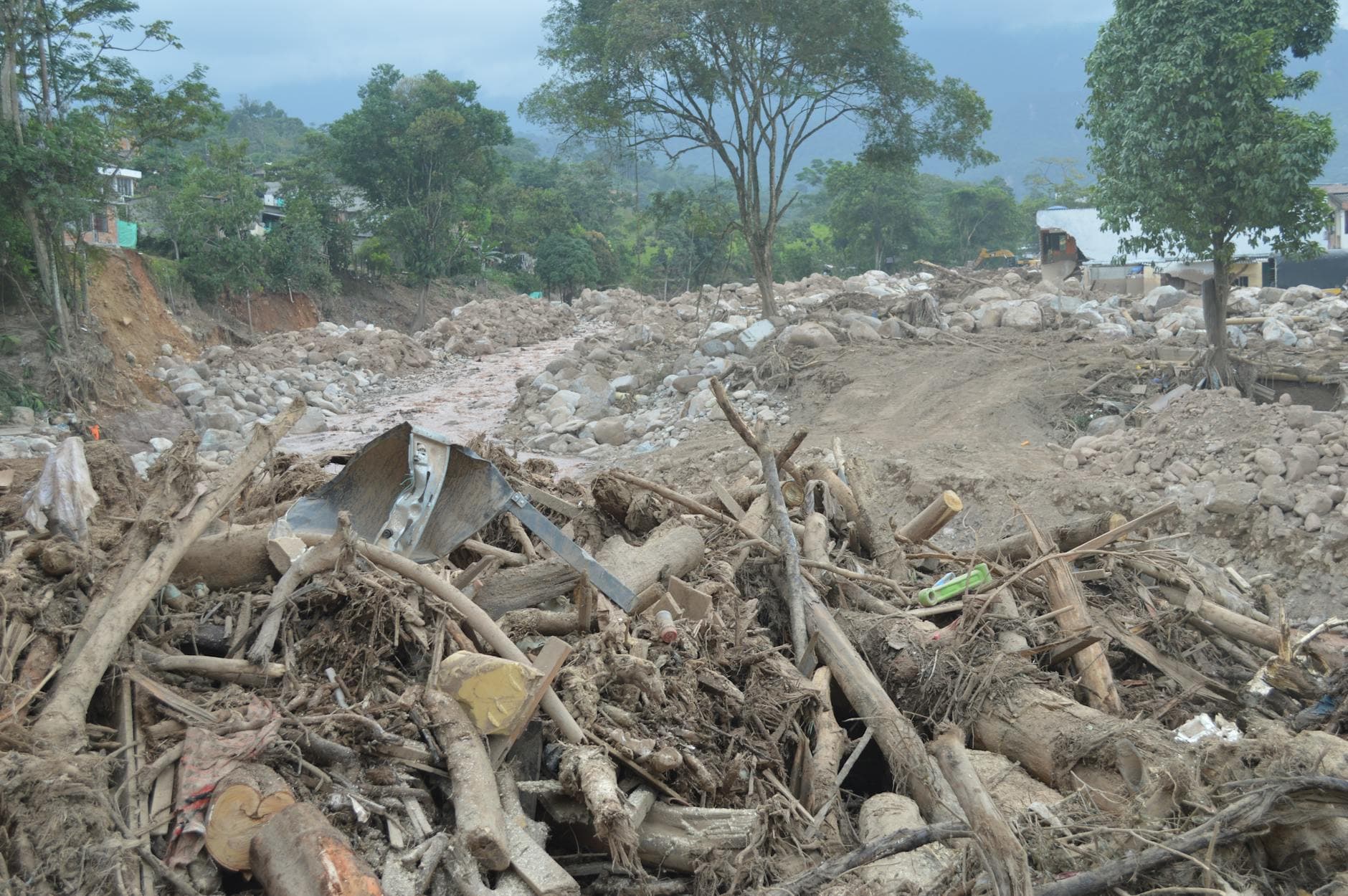
An explosive blast on the Pan-American Highway in Cajibio, Cauca, killed at least 13 people and wounded 17 more in one of the deadliest attacks in Colombia’s southwest in recent years. The explosion struck in the El Tunel sector, about 35 kilometers from Popayan, on a route that carries commerce, passengers and supplies through a region long shaped by armed groups and trafficking corridors.
By later counts, the death toll rose to 14 and the number of injured climbed to more than 38, including five minors. The widening casualty figures underscored how quickly the human toll can grow in remote and contested areas, where emergency access is difficult and the first reports often arrive before the full scale of the damage is known.
Cauca Governor Octavio Guzmán said the bombing was one of several criminal actions reported in the province that day. He later described it as an “indiscriminate attack” against civilians. The violence did not stop at the highway: authorities also reported assaults on police and aviation infrastructure elsewhere in southwestern Colombia the same day, deepening fears that armed groups are testing the state on multiple fronts at once.
The attack landed in a region that has remained central to Colombia’s security crisis. Cauca is widely known as a coca-growing, conflict-ridden corridor used by armed groups and traffickers, and the Pan-American Highway is a strategic artery linking major urban and commercial centers. When that road is hit, the impact reaches beyond the blast site, disrupting travel, slowing trade and raising transport costs for communities already living with extortion and armed threats.
The bombing also arrives as Colombia struggles to contain the unfinished legacy of its peace process. The government and the FARC signed their Final Agreement on November 24, 2016, but dissident factions rejected or later abandoned the deal and have kept fighting in places like Cauca. United Nations reporting on April 21 said the accord still needed full implementation as the country moved toward elections, and Colombia is scheduled to choose a president on May 31.
President Gustavo Petro condemned the attackers on X, calling them “terrorists, fascists and drug traffickers,” and said he wanted Colombia’s best soldiers to confront them. The message reflected the pressure on a government that has promised security and territorial control but still faces armed groups able to strike hard, retreat into mountainous terrain and unsettle daily life in places where the state’s reach remains limited.
Know something we missed? Have a correction or additional information?
Submit a Tip