U.S.-Iran peace talks collapse, ceasefire limbo deepens amid standoff
After 21 hours in Islamabad, U.S.-Iran talks collapsed, and a fragile ceasefire now hangs over the Strait of Hormuz as ships are seized and oil markets brace.
More than 21 hours of negotiations in Islamabad ended without a deal, leaving the seven-week war between the United States and Iran unresolved and a fragile two-week ceasefire in jeopardy. The talks had been meant to stop the fighting and lock in a pause mediated by Pakistan, but by the end of the round on April 12, both sides were blaming each other for the breakdown.
Vice President JD Vance said U.S. officials were leaving after the Iranian delegation refused to accept American demands, including a commitment not to develop nuclear weapons. President Donald Trump later said he was extending the ceasefire indefinitely and insisted there was “no time pressure,” even as the diplomatic track stalled again. The result is a dangerous equilibrium, one in which neither side is fighting full-scale war, but neither is moving toward a durable settlement either.
Iran has said it will not resume talks until the United States lifts its naval blockade in the Strait of Hormuz, while Washington has continued to insist on free passage through the waterway. That chokepoint has become the center of the standoff because any disruption there can ripple far beyond the Gulf, affecting global shipping and oil markets within hours.
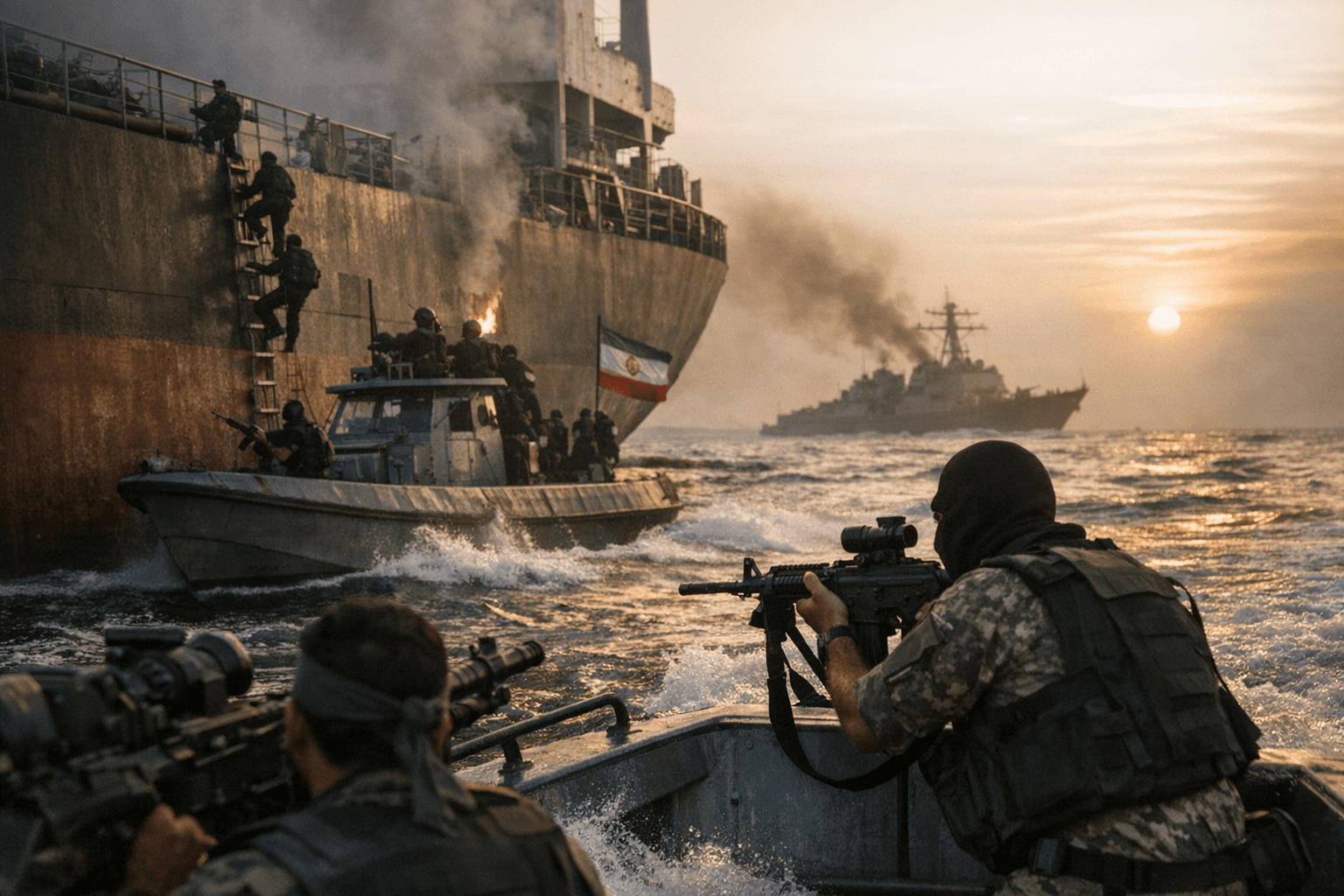
The pressure has already shown up at sea. Iranian forces seized commercial ships in the Strait of Hormuz during the diplomatic impasse, intensifying fears that a breakdown in talks could quickly spill into maritime confrontation. With shipping lanes under strain, energy traders, regional allies and commercial carriers are all watching for the next miscalculation.
Analysts warn that the standoff cannot hold forever. The U.S. government is trying to avoid another costly war, while Iranian leaders are seeking guarantees that any halt in fighting will be durable and not followed by renewed bombing. Each side appears to believe time is on its side, but that calculation could collapse if domestic pressure rises, if proxy activity spreads, or if another incident in the Strait of Hormuz triggers an escalation neither government intended. In that sense, the ceasefire is less a pause than a test of how long political leaders can sustain a conflict without calling it peace.
This article was produced by Prism’s automated news system from verified source data, official records, and press releases, then run through automated quality and moderation checks before publishing. The system is built and supervised by the people who set the standards it runs under. Read our full AI policy.
Did this article answer your question?