Explosions hit cargo vessel near Iraq, drone attack suspected
Two blasts struck a cargo ship off Iraq, and officials suspected a drone as Gulf shipping faced fresh scrutiny over route security and insurance risk.
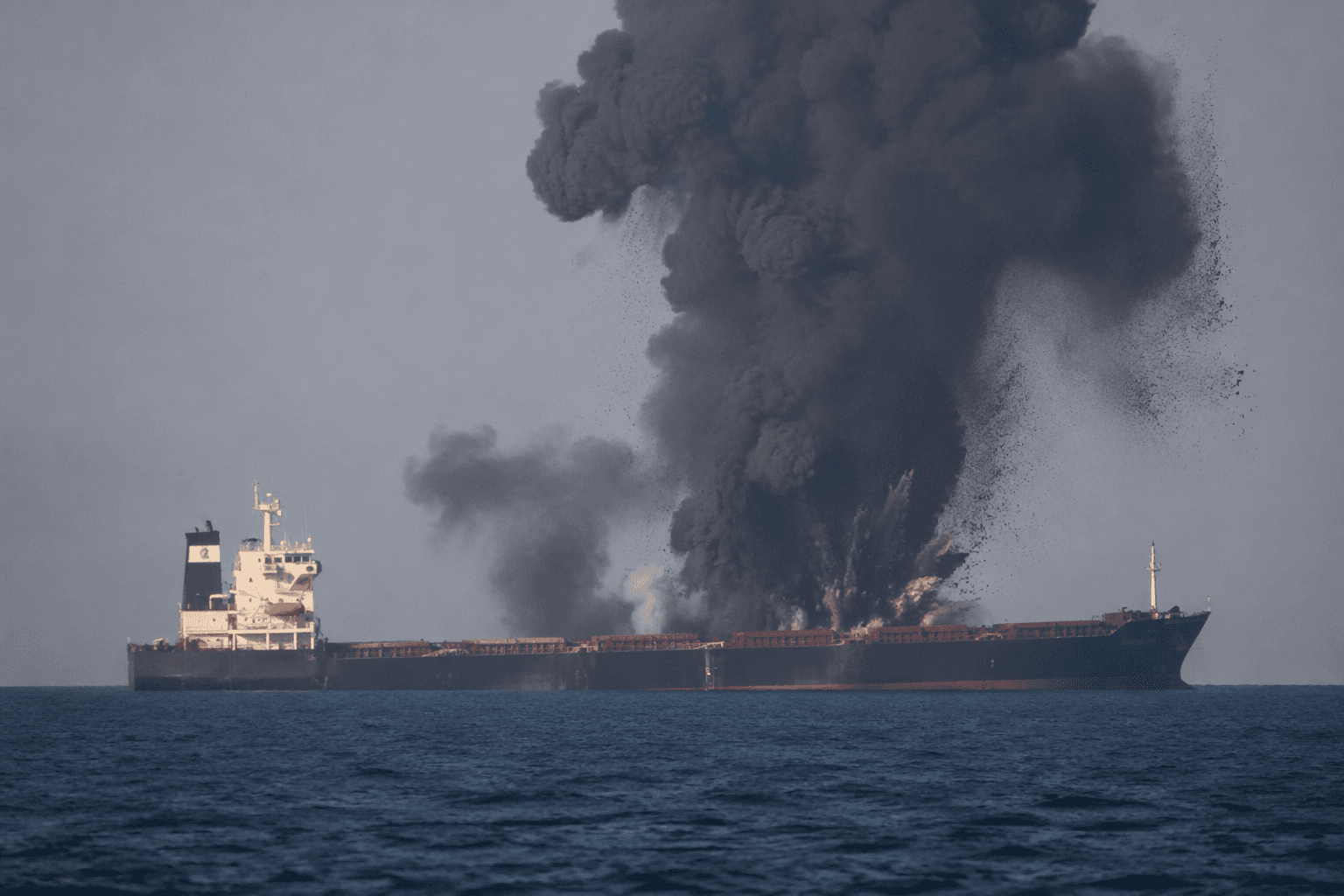
Two explosions on a cargo vessel about 40 nautical miles southeast of Umm Qasr port rattled one of the Gulf’s most closely watched shipping lanes and quickly raised the stakes for commercial traffic moving near southern Iraq. Iraqi officials said one of the blasts was caused by a drone attack, while maritime authorities described a hit from an unknown projectile on the ship’s starboard side.
The United Kingdom Maritime Trade Operations logged the incident as report #28082035, dated 1 June 2026, and said the vessel was transiting in the Arabian Gulf when a large explosion followed the impact. UKMTO urged vessels to transit with caution and report suspicious activity, saying it was unaware of any environmental impact at the time. The fire on board was later brought under control, and no casualties were reported.
The vessel was identified in multiple reports as the Panama-flagged MSC SARISKA V, a 36-year-old container ship operated by Mediterranean Shipping Company. Some reports said it had recently unloaded cargo at Umm Qasr and was heading toward Qatar. Iraqi media accounts also placed the ship near buoy number 5 in Iraqi territorial waters after cargo operations at the port, although investigators had not publicly settled those details.
What is known is limited, but the implications are not. No group claimed responsibility, and officials had not publicly identified the cause beyond their initial suspicion of a drone. That uncertainty alone can move markets and security planning, because even a single unexplained blast can force shippers, insurers and naval commanders to reassess risk along routes that already run close to conflict and surveillance.
The timing adds to a tense pattern across the region. In a total-incidents summary covering 28 February 2026 through 26 May 2026, UKMTO said it received 52 reports affecting vessels in and around the Arabian Gulf, the Strait of Hormuz and the Gulf of Oman. Those reports included 28 attack reports, 22 suspicious-activity reports and 2 hijack reports, underscoring how sustained the maritime insecurity has been in the weeks leading up to the Iraq blast.
For operators moving through the Gulf, the immediate effect is likely greater caution around southern Iraq and the northern Gulf, where a damaged hull, a suspected drone strike or a piece of debris can have consequences far beyond one ship. The incident now sits within a broader security picture that still lacks a clear answer, but already carries a familiar warning for commercial shipping: the next disruption can arrive without notice and with no one claiming it.
This article was produced by Prism’s automated news system from verified source data, official records, and press releases, then run through automated quality and moderation checks before publishing. The system is built and supervised by the people who set the standards it runs under. Read our full AI policy.
Did this article answer your question?