Explosions rock Tehran as U.S. warns of intensified bombing campaign
Explosions hit western Tehran and Mehrabad Airport after Israeli strikes as U.S. officials warned of larger attacks; officials report at least 1,230 dead in Iran and widening regional toll.
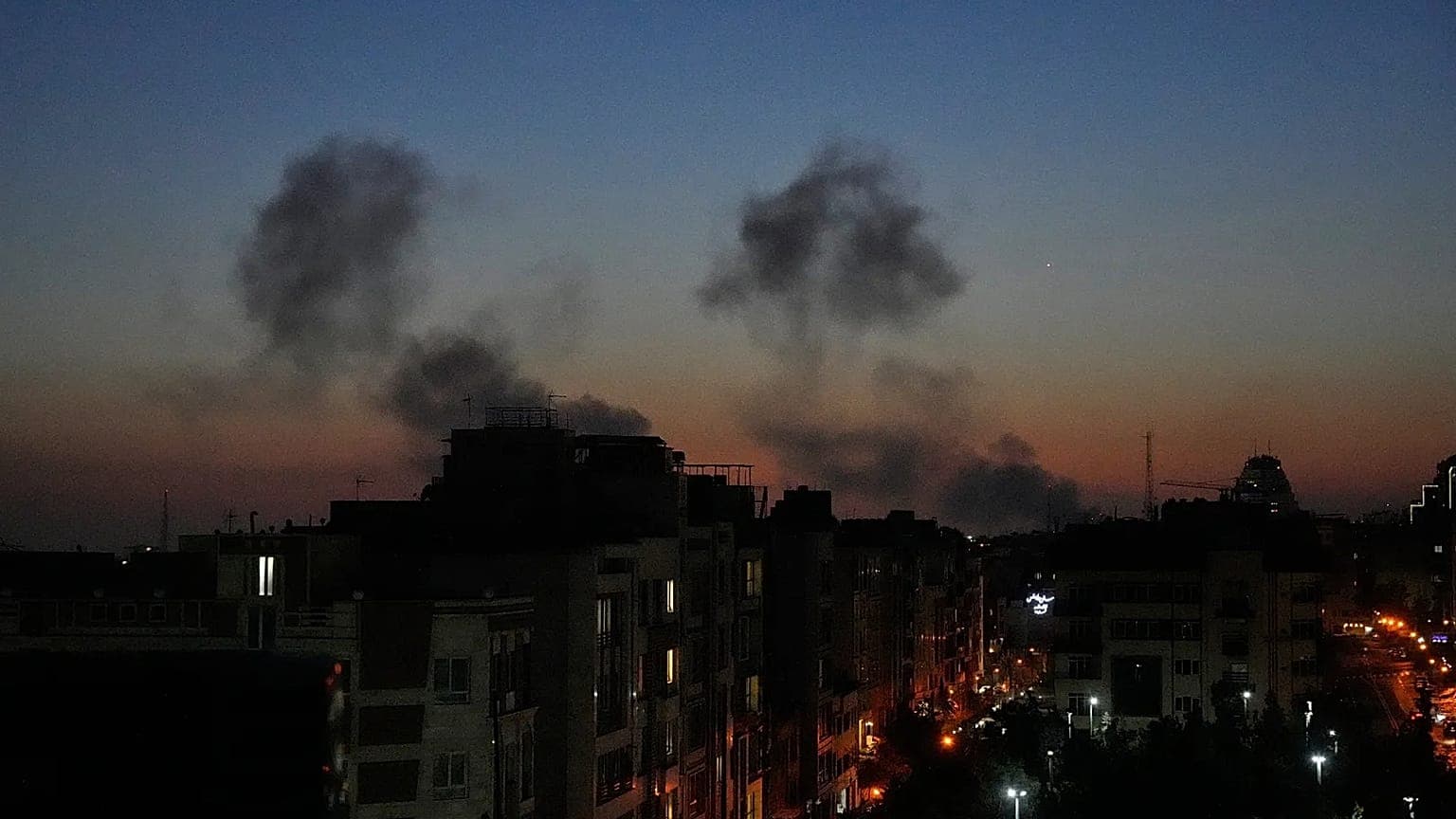
Explosions flashed over western Tehran and massive blasts were reported at Mehrabad Airport as Israel and U.S.-aligned forces expanded strikes across Iran, while Washington warned that a larger bombing campaign was imminent. Associated Press journalists captured smoke and fire over the city after Israeli aircraft struck targets, and Al Jazeera reported “massive explosions” at Tehran’s main domestic airport as nightfall brought another wave of attacks.
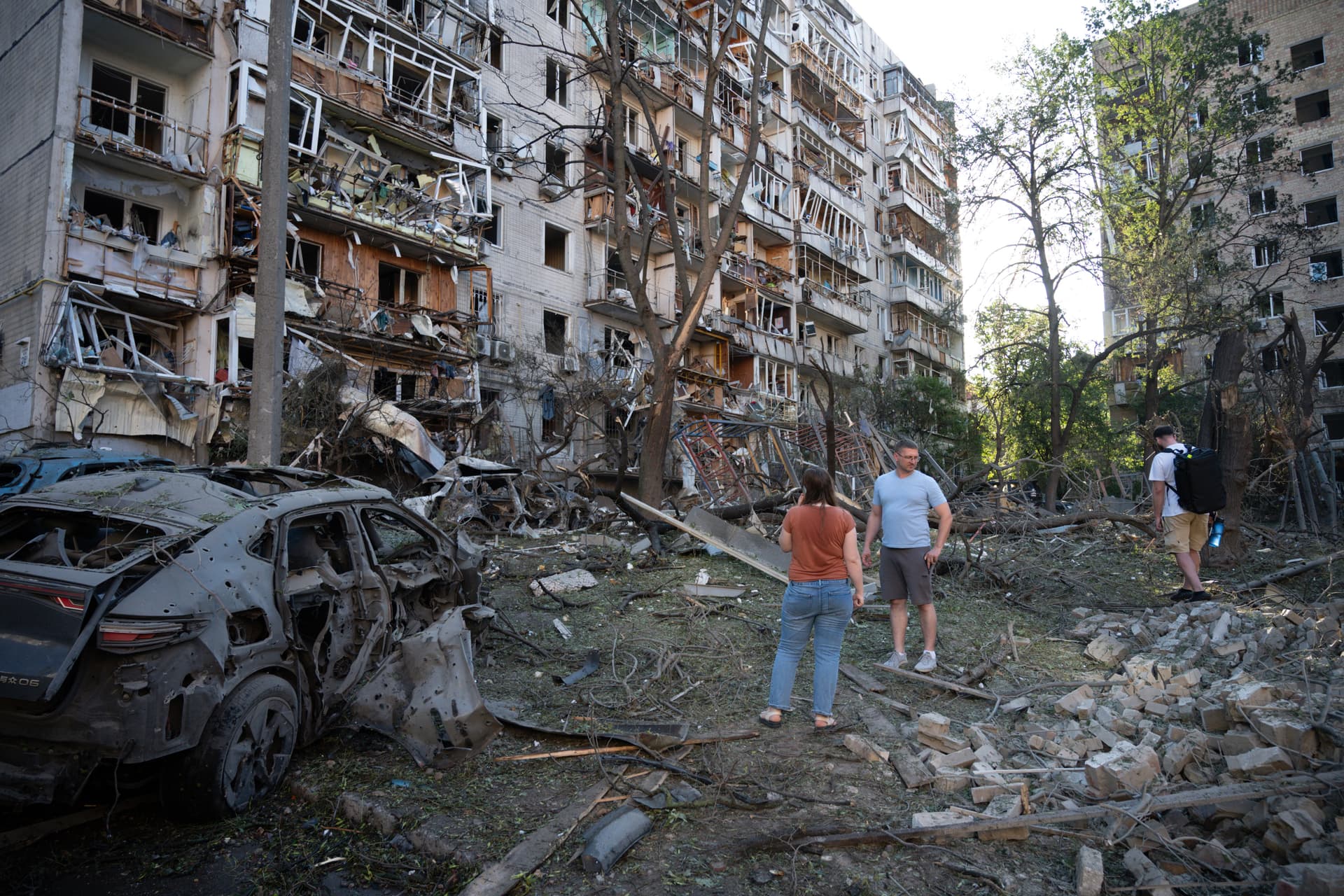
The human cost of the fighting is already severe. AP and NBC Los Angeles cite officials saying at least 1,230 people have been killed in Iran, more than 200 in Lebanon and about a dozen, reported as 11 by NBC Los Angeles, in Israel; six U.S. troops have died. Iran launched retaliatory missiles toward Israel, and sirens sounded in occupied East Jerusalem as tensions spread across multiple theaters.
The U.S. posture has hardened. Euronews reproduced a social media post by President Donald Trump that read, “There will be no deal with Iran except UNCONDITIONAL SURRENDER!” Trump added that after a surrender, and “the selection of a GREAT & ACCEPTABLE Leader(s),” the United States and its allies would help rebuild Iran, making it “economically bigger, better, and stronger than ever before.” Euronews also reported that Trump told media outlets he should be involved in choosing a replacement for former Ayatollah Ali Khamenei, a claim that has complicated the diplomatic picture.
The administration approved a $151 million arms sale to Israel as officials signaled a stepped-up campaign described by multiple outlets as the most intense yet in a weeklong conflict. A short YouTube/India Today clip attributed to a U.S. official said the United States would carry out its largest strike yet and planned to target missile launchers and factories; that specific attribution appears only in that clip and has not been corroborated by other major outlets.
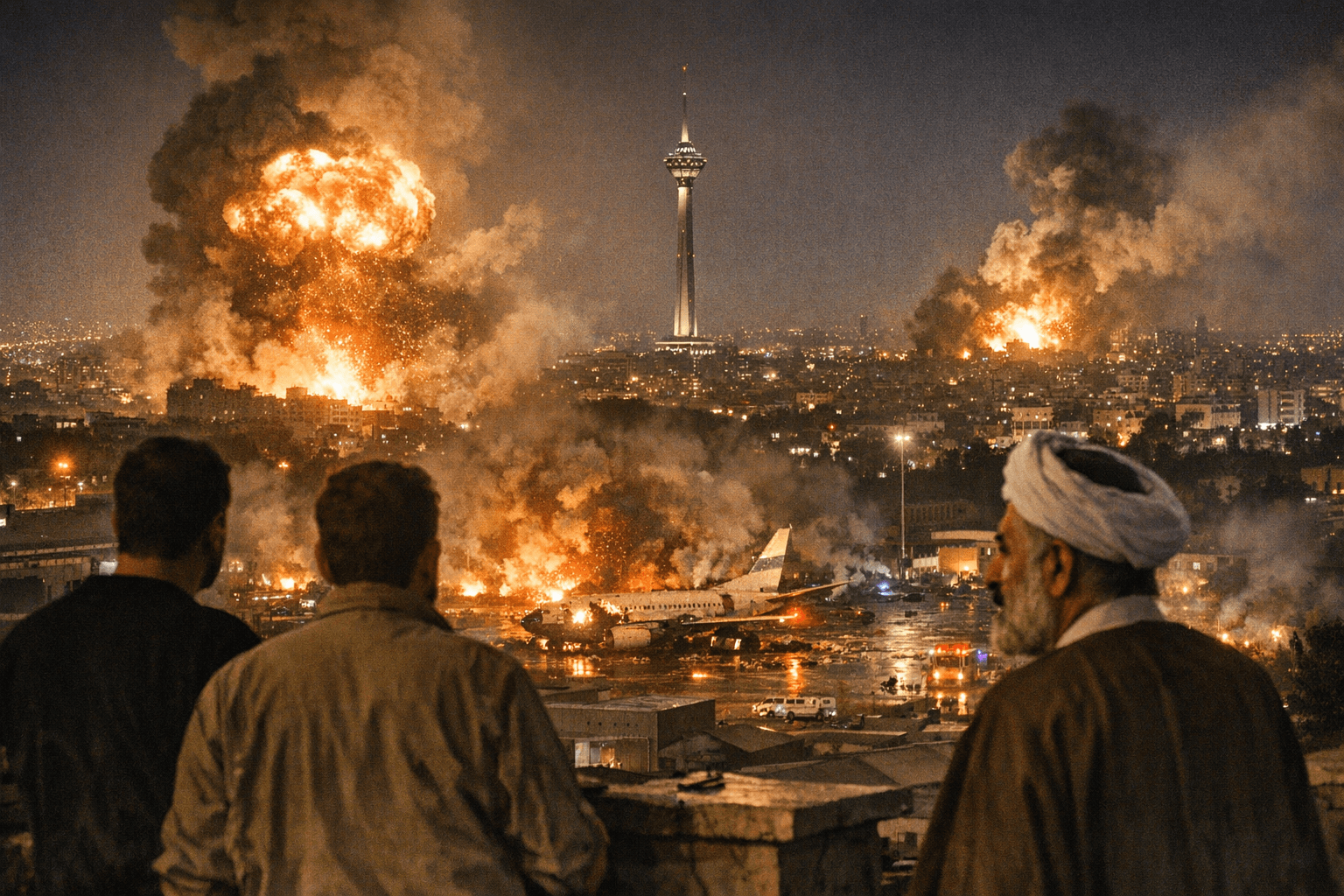
Iran’s diplomatic and military response combined defiance with signs of internal strain. Iran’s U.N. ambassador Amir Saeid Iravani said Tehran “does not accept and will never allow any foreign power to interfere in its internal affairs.” State television reported a leadership council discussing how to convene the Assembly of Experts to select a new supreme leader, and clerics have urged action. President Masoud Pezeshkian wrote that “some countries” had begun mediation efforts and said, “I should apologize to the neighboring countries that were attacked by Iran, on my own behalf,” calling for diplomacy and restraint moving forward. Iran’s armed forces spokesman Gen. Abolfazl Shekarchi said Tehran had “not hit countries that did not provide space for America to invade our country.”
Beyond immediate casualties and damaged infrastructure, the confrontation will reverberate through markets and policy. The widening strikes raise the risk of disruptions to shipping in the Persian Gulf, higher insurance and freight costs, and a sustained premium on energy and defense assets. The $151 million arms sale highlights how the conflict is accelerating arms flows in the region and could lock in higher defense spending by regional states. The administration’s public talk of leadership change in Tehran signals a more interventionist endgame that will complicate mediation and could prolong economic instability across the Middle East.
Investors and governments will now price for a prolonged, costlier conflict with broader economic fallout, even as reporters and analysts work to verify fast-moving claims about leadership losses and the scale of next strikes.
This article was produced by Prism’s automated news system from verified source data, official records, and press releases, then run through automated quality and moderation checks before publishing. The system is built and supervised by the people who set the standards it runs under. Read our full AI policy.
Did this article answer your question?