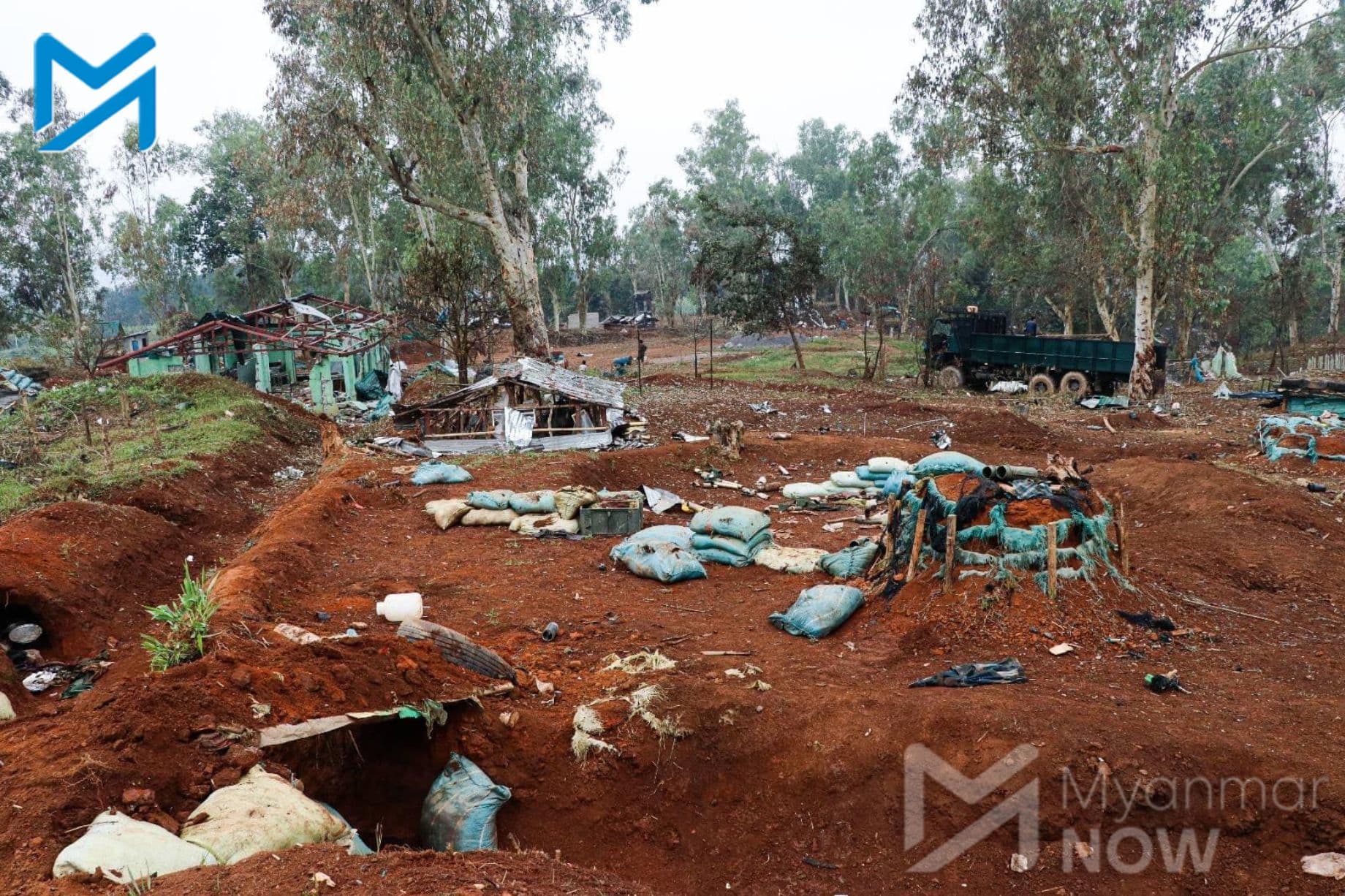
Explosives blast near China border kills dozens in Myanmar village
A blast at a mining explosives site near the Chinese border killed at least 46 people, with six children among the dead and dozens more wounded.
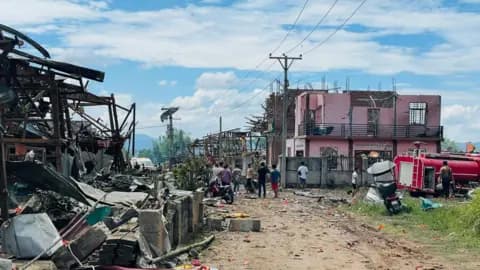
A noon blast in Kaungtup village in Myanmar’s Shan state tore through a site just 3 kilometers, or 2 miles, south of the Chinese border, killing at least 46 people by Sunday evening and injuring about 74 others. Rescue workers said six of the dead were children, while more than 100 houses near the blast site were damaged.
The cause of the explosion remained contested as local accounts pointed to explosives stored for mining, not a battlefield attack. The Ta’ang National Liberation Army said gelignite had been kept by its economic department for use at mining and stone quarrying sites, and said an investigation was under way. Preliminary reports from the area indicated the blast happened at a building where large quantities of mining explosives were stored.
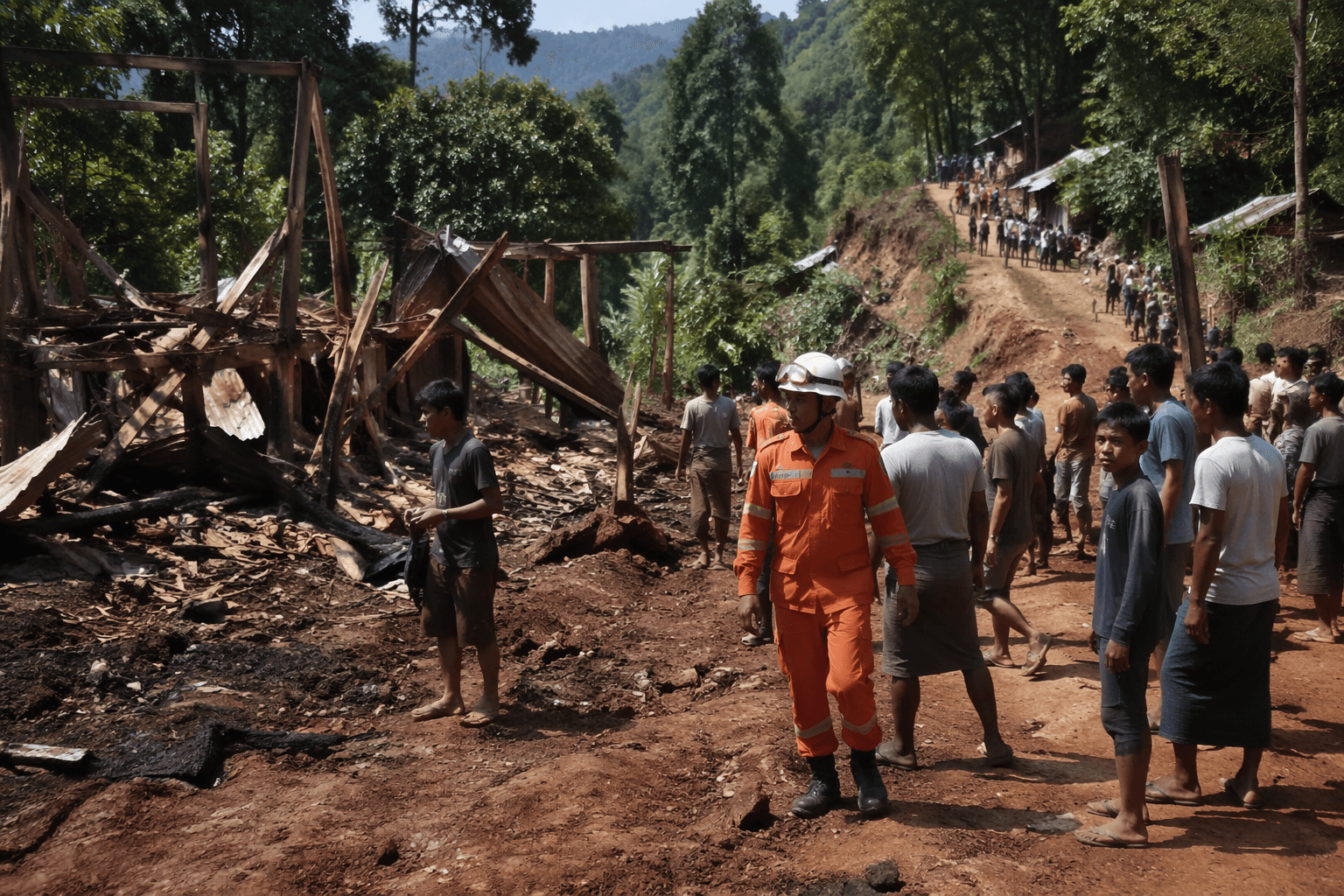
Myanmar media put the death toll higher, ranging from about 50 to 55, reflecting the confusion that often follows mass-casualty incidents in conflict zones. One rescuer said 74 wounded people had been transported to the township hospital. Another described extensive damage across homes close to the blast site, compounding the toll on families already living under rebel administration.
The TNLA has controlled the Namhkam area since a late-2023 offensive by the Three Brotherhood Alliance and allied forces pushed back Myanmar’s central government. That made the village part of a wider frontier landscape where armed groups, local economic activity and civilian life are tightly intertwined. In such areas, mining and quarrying can become a source of revenue and power, but stockpiles of gelignite and other explosives also turn ordinary storage sites into high-risk targets for any spark, fire or accident.
Local authorities were providing relief, medical care and resettlement help to affected residents as the full scale of the destruction came into view. The blast underscored how instability near Myanmar’s border with China can produce consequences far beyond the immediate death toll, from broken housing and disrupted medical care to renewed pressure on rebel governance in territory where civilians have few buffers against the next explosion.
This article was produced by Prism’s automated news system from verified source data, official records, and press releases, then run through automated quality and moderation checks before publishing. The system is built and supervised by the people who set the standards it runs under. Read our full AI policy.
Know something we missed? Have a correction or additional information?
Submit a Tip