FAA finds incorrectly installed seats on hundreds of Boeing 737 MAX jets
The FAA flagged wrongly installed seats on 453 U.S.-registered Boeing 737 MAX jets and warned they could injure passengers in an evacuation or rough landing.
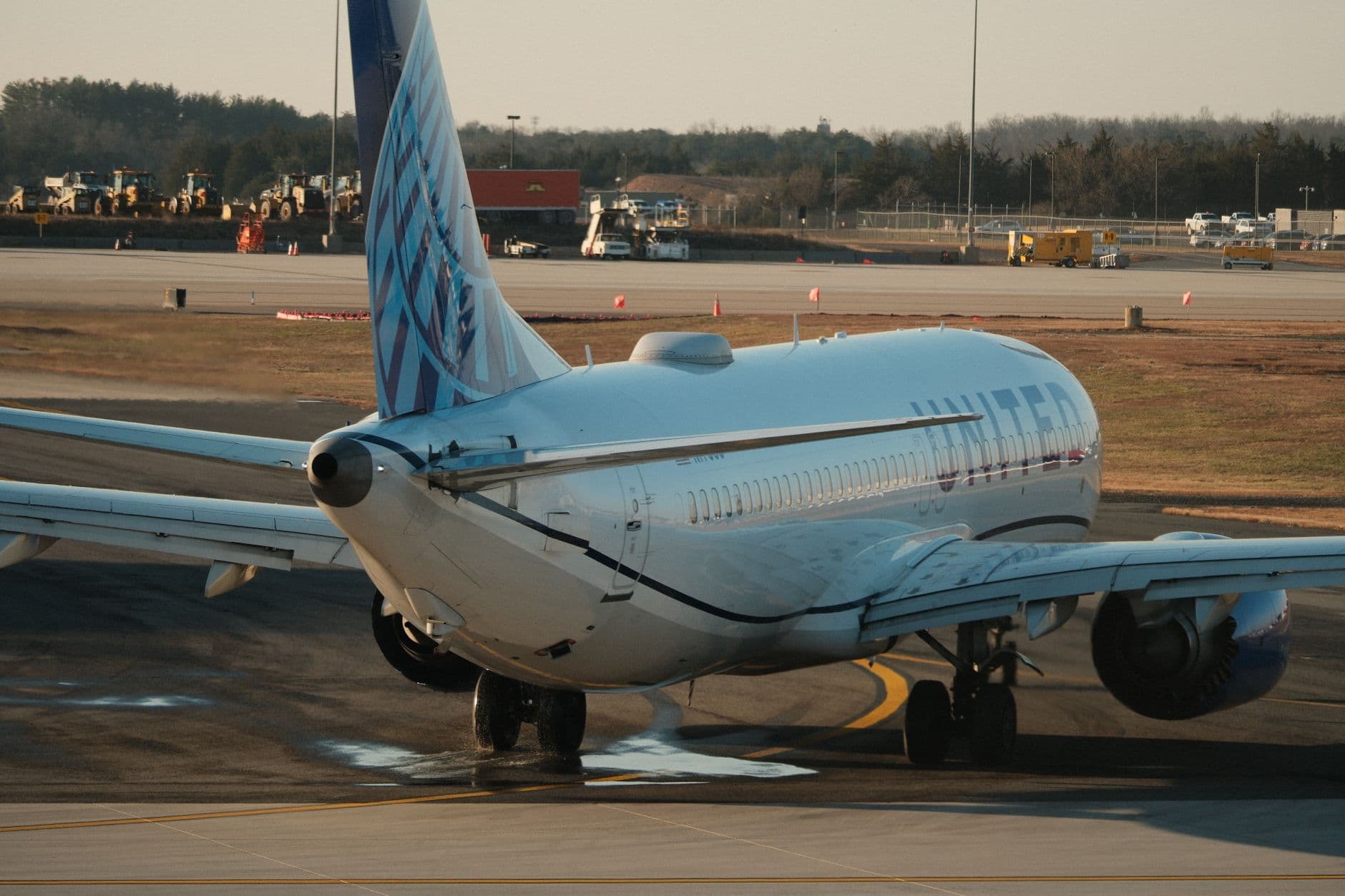
The Federal Aviation Administration said seats on hundreds of Boeing 737 MAX jets were incorrectly installed, a defect the agency warned could injure passengers during an emergency landing, evacuation, turbulence or other high-load events. The FAA published a proposed airworthiness directive on July 27 that would apply to 453 Boeing 737 MAX aircraft registered in the United States.
The action stops short of an emergency grounding order, but it puts Boeing’s quality-control record back under a harsh regulatory spotlight. Reuters and other outlets said the FAA found passenger seat assemblies had been wrongly installed in the seat tracks, while Boeing had already provided guidance on the issue in December 2025 and supported making inspections mandatory.
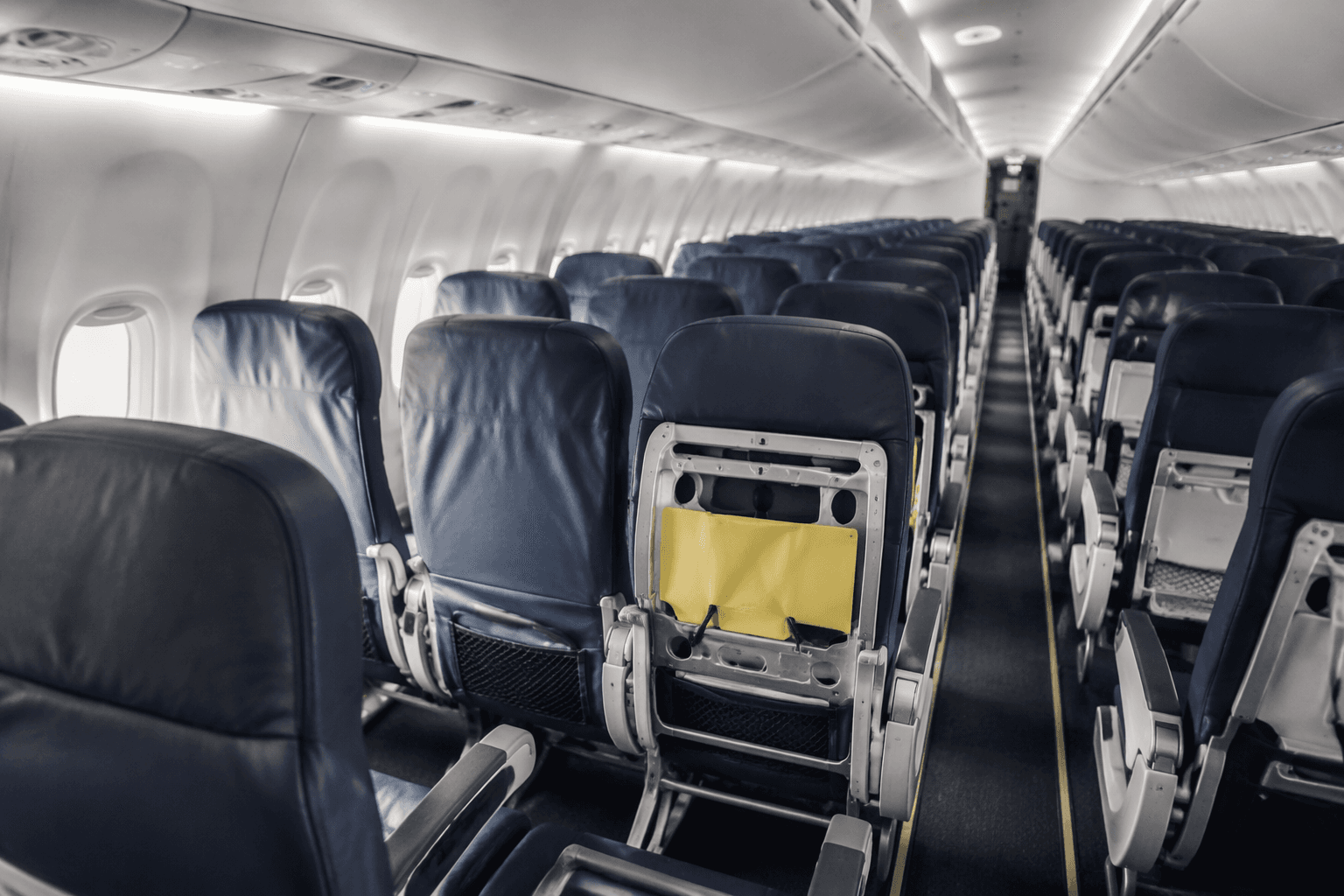
The inspection task could be sizable. One report said each aircraft may have as many as 69 track-mounted passenger seat assemblies, and another said checking each assembly is expected to take about an hour. AvioRadar put the estimated inspection cost at $85 per seat assembly, which would bring total U.S. operator costs to as much as $2,656,845.
For airlines, the immediate consequence is likely operational rather than catastrophic: aircraft inspections, possible seat work and scheduling disruption. Still, even a seat-installation error carries weight because it goes directly to certification standards and passenger protection in scenarios where restraint systems are most important. The FAA’s warning about injury risk in an evacuation or hard landing underlines why the agency treats assembly mistakes as safety matters, not just maintenance nuisances.
The issue lands at a sensitive moment for Boeing’s 737 MAX family, which has spent years under close scrutiny after earlier safety failures reshaped the company’s relationship with regulators, airlines and passengers. Each new quality-control problem adds pressure on Boeing’s manufacturing process and on the FAA’s effort to show that oversight is still catching defects before they become a larger safety failure.
This article was produced by Prism’s automated news system from verified source data, official records, and press releases, then run through automated quality and moderation checks before publishing. The system is built and supervised by the people who set the standards it runs under. Read our full AI policy.
Did this article answer your question?