FAA to equip 1,900 airport vehicles with transponders after LaGuardia crash
A LaGuardia fire truck had no transponder when it hit an Air Canada Express jet. The FAA is now spending $16.5 million to track 1,900 airport vehicles.
The Federal Aviation Administration moved to close a runway-safety gap exposed at LaGuardia Airport, announcing $16.5 million to equip about 1,900 airport vehicles with transponders after a March collision killed two pilots and injured dozens of passengers and crew. The hardware is meant to give air traffic controllers a clearer picture of vehicles moving on runways and taxiways, a basic visibility fix that the LaGuardia crash showed was missing when it mattered most.
The agency said the rollout would cover 264 airports that already have, or will have, surface awareness technology. More than 50 airports have already expressed interest in the funding, signaling that the response could spread well beyond New York. FAA Administrator Bryan Bedford said the technology would help prevent dangerous runway incidents and close critical visibility gaps on the nation’s airfields. The FAA also reminded airports they can use federal grant money to install transponders on vehicles, and urged airlines and other airfield operators to do the same.
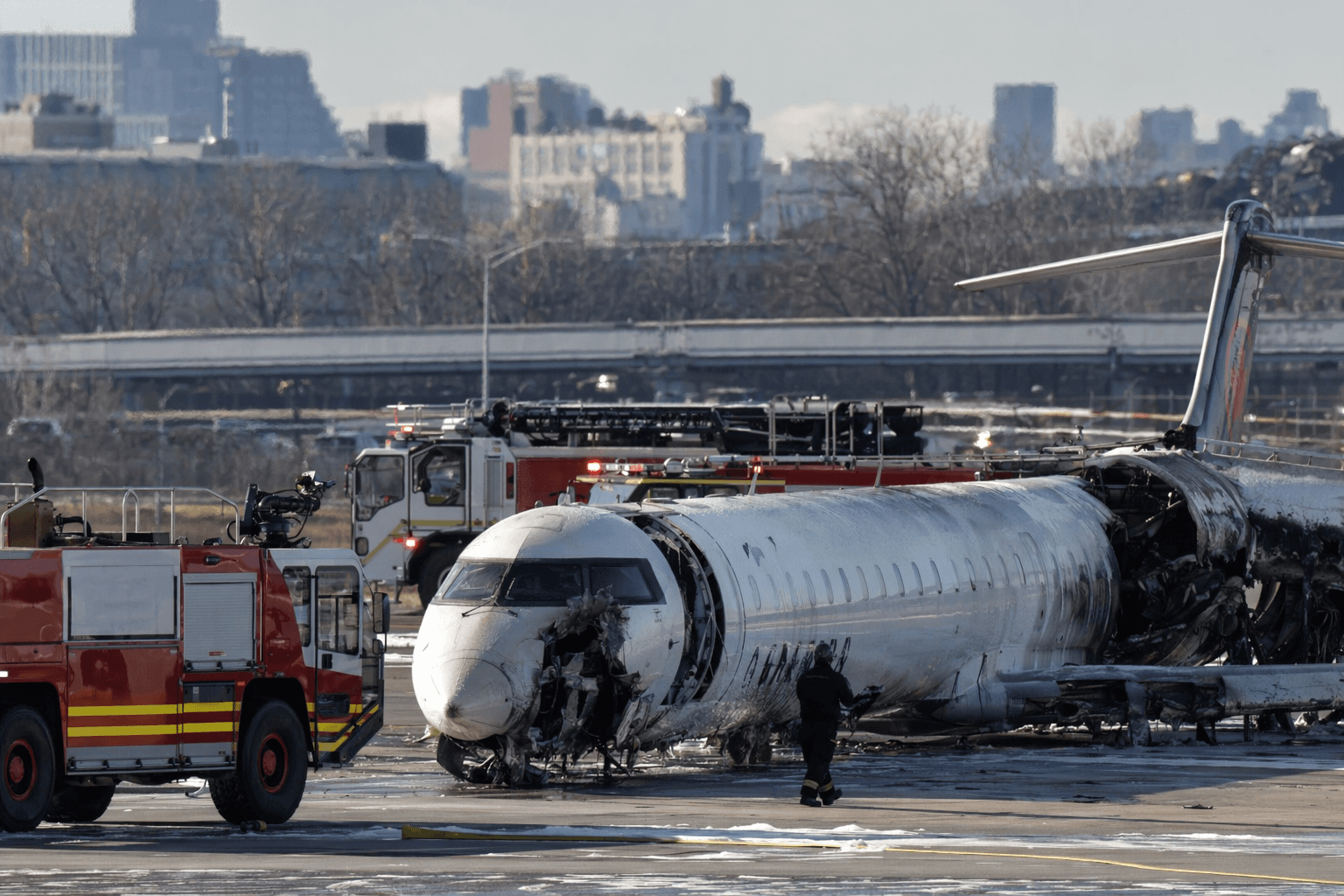
The urgency came from the collision of Jazz Aviation, operating as Air Canada Express Flight 8646, with a fire truck at LaGuardia on March 22, 2026, around 11:45 p.m. The National Transportation Safety Board’s preliminary investigation identified the airport’s ground surveillance system as ASDE-X and said it did not generate an alert warning that the vehicles were close to the runway. Investigators said the fire truck did not have a transponder that would have transmitted its location to air traffic control. The crash was LaGuardia’s first fatal accident in three decades, and the airport shut down before reopening the next day.

The Port Authority of New York and New Jersey, which oversees LaGuardia, John F. Kennedy International Airport and Newark Liberty International Airport, had already said it would install transponders on emergency vehicles across those airports. That local move made clear the technology was seen as immediately useful, but the FAA’s broader spending turns an isolated corrective into a systemwide requirement for airports with surface-awareness systems. FAA guidance had already described Vehicle Movement Area Transmitters, or VMATs, as a way to improve airport surface safety by tracking vehicles on the airfield.

The policy question now is whether the investment materially changes day-to-day passenger safety. At busy airports where aircraft, heavy vehicles and limited sight lines overlap, even a relatively simple device can reduce the odds of a truck entering the wrong place at the wrong time. After LaGuardia, the FAA is not just promising to study the problem again. It is putting money behind a fix that tests whether the agency is repairing a known vulnerability before the next collision happens.
This article was produced by Prism’s automated news system from verified source data, official records, and press releases, then run through automated quality and moderation checks before publishing. The system is built and supervised by the people who set the standards it runs under. Read our full AI policy.
Did this article answer your question?

