Judge blocks deportation after Trump administration sent woman to Congo
A federal judge said the Trump administration likely broke the law by deporting Adriana Maria Quiroz Zapata to Congo, where officials refused to keep her.

A federal judge moved to stop Adriana Maria Quiroz Zapata’s deportation after finding that the Trump administration likely violated the law by sending her to the Democratic Republic of the Congo, a country that had not agreed to hold her. The ruling turned an unusual removal case into a test of how far the government can go when it uses third-country deportation arrangements to sidestep protections already recognized in U.S. immigration court.
Quiroz Zapata, 55, had already won a critical protection in U.S. immigration proceedings. In May 2025, an immigration judge ruled that she was more likely than not to be tortured if returned to Colombia. She had fled Colombia in January 2024, saying she was kidnapped and tortured by the FARC rebel group and seriously abused by her ex-husband, a police officer.
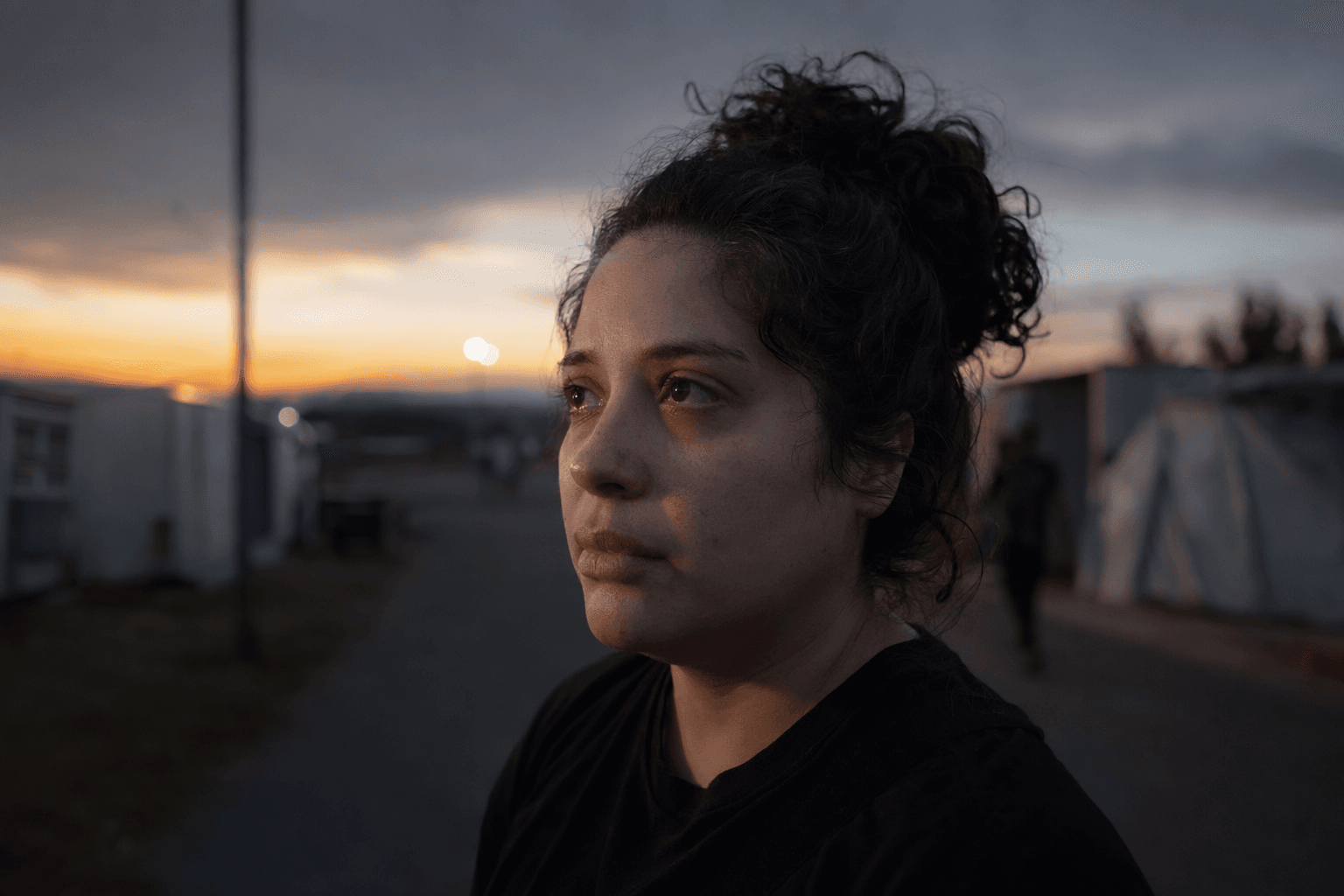
Despite that finding, she was among an initial group of 15 South American migrants flown to Congo under an undisclosed agreement with the Trump administration. The group included seven women and eight men, with migrants from Peru, Colombia and Ecuador. Later reporting identified the national breakdown as seven from Peru, five from Colombia and three from Ecuador. Details of the deal were not made public, though reporting said Congo would receive 50 to 100 people a month.
The Congo government described the arrangement as “strictly transitional, temporary and time-limited.” U.S. officials did not discuss the diplomatic terms, while the State Department said carrying out the administration’s immigration agenda remained a top priority.
The case has drawn scrutiny because Quiroz Zapata and other deportees said they were being pushed to return to their home countries even though they feared persecution there. Alma David, a U.S.-based lawyer representing one of the migrants, said the process put deportees at risk even after they had received U.S. legal protections.
The mechanics of the transfer have also raised alarms. Reuters reported that some deportees were shackled during a flight that lasted more than 25 hours, and that some were transferred without their passports. That has sharpened the question now facing the court: whether this was a one-off failure in one woman’s case, or evidence of a broader breakdown in the rules governing removal, torture protections and executive power.
This article was produced by Prism’s automated news system from verified source data, official records, and press releases, then run through automated quality and moderation checks before publishing. The system is built and supervised by the people who set the standards it runs under. Read our full AI policy.
Did this article answer your question?

