Johns Hopkins study finds cash aid can keep youth housed
A $3,700 cash payment helped most young people stay housed in a seven-state pilot, with 92% avoiding the homelessness system for six months.
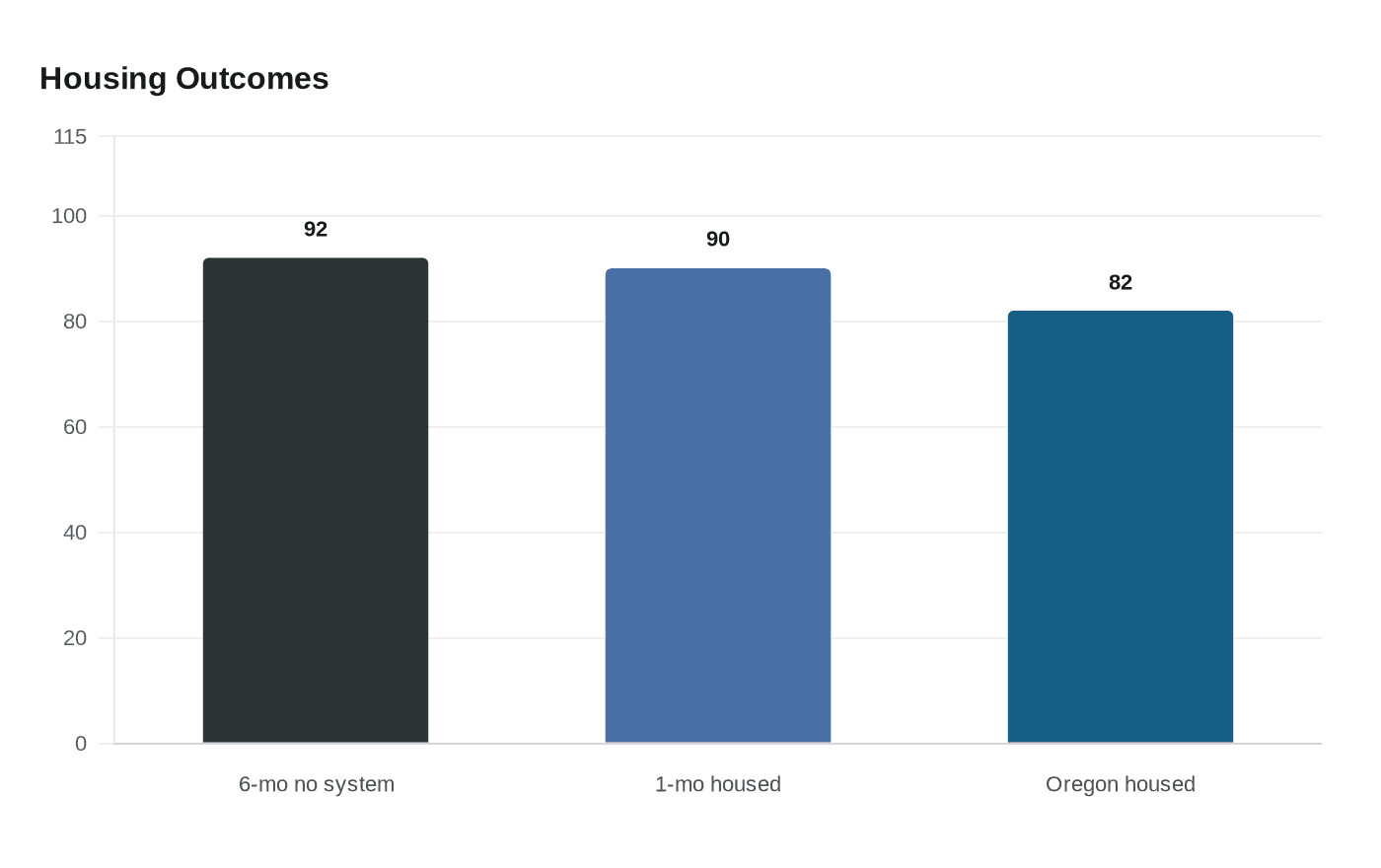
A one-time cash payment averaging $3,700 kept most young people from entering the homelessness system in a seven-state pilot that reached 345 youth and 623 total household members. The findings from Johns Hopkins Bloomberg School of Public Health and Point Source Youth add a hard number to a debate often driven by emergency spending: when help arrived quickly and was paired with housing support, families were far more likely to stay intact and housed.
The pilot ran from May 2024 to May 2025 in Arizona, California, Georgia, Michigan, New York, Oregon and Texas. Across the full program, 92% of participants did not need to enter the homelessness system within six months of receiving support, and 90% of recipients who completed a one-month follow-up reported being stably housed. Point Source Youth said the average cost was $3,700 per household, or $2,048 per person.
Oregon’s Lane County model showed how the approach worked on the ground. Fifty-six young people at imminent risk of homelessness received needs-based cash payments and youth-driven support, with the money typically delivered within 48 hours. Those payments averaged $3,700, and 82% of participants surveyed in Oregon said they were in stable housing after the first month. The program also included financial counseling, housing navigation and customized Housing Action Plans, while a related Direct Cash Transfer model provided 24 months of ongoing payments to young people who were already homeless when the program began.
The policy case is straightforward: a modest, rapid payment can interrupt the slide from crisis into shelter use, hospital care, police contact and longer-term housing instability. Larry Cohen, co-founder and executive director of Point Source Youth, said the model works because youth homelessness often starts with a crisis and becomes long-term trauma when help arrives too late. That argument is gaining urgency as HUD reported 771,480 people experiencing homelessness on a single night in January 2024, the highest level ever recorded, with unaccompanied youth also at a record high.
The program is now expanding in Oregon, where officials began identifying eligible youth and distributing funds as of March 2026. At least 60 young adults ages 18 to 23, especially those who have experienced foster care and are transitioning to independence, are expected to receive support. The broader challenge is whether governments can scale that kind of prevention without losing the speed, targeting and follow-up that made the pilot work.
This article was produced by Prism’s automated news system from verified source data, official records, and press releases, then run through automated quality and moderation checks before publishing. The system is built and supervised by the people who set the standards it runs under. Read our full AI policy.
Did this article answer your question?


