Face the Nation to feature NCAA chief and immigration talks
Face the Nation lined up Charlie Baker with Adriano Espaillat and Carlos Gimenez, putting college sports and immigration at the center of a single Sunday hour.

Face the Nation on July 5 featured NCAA President Charlie Baker and a joint interview with Democratic Rep. Adriano Espaillat and Republican Rep. Carlos Gimenez, with Ed O'Keefe handling the conversations on a broadcast built around two of the country’s most charged political fault lines. The program aired at 10:30 a.m. ET on CBS and streamed at 12:30 p.m. ET on Paramount+ and CBSNews.com.
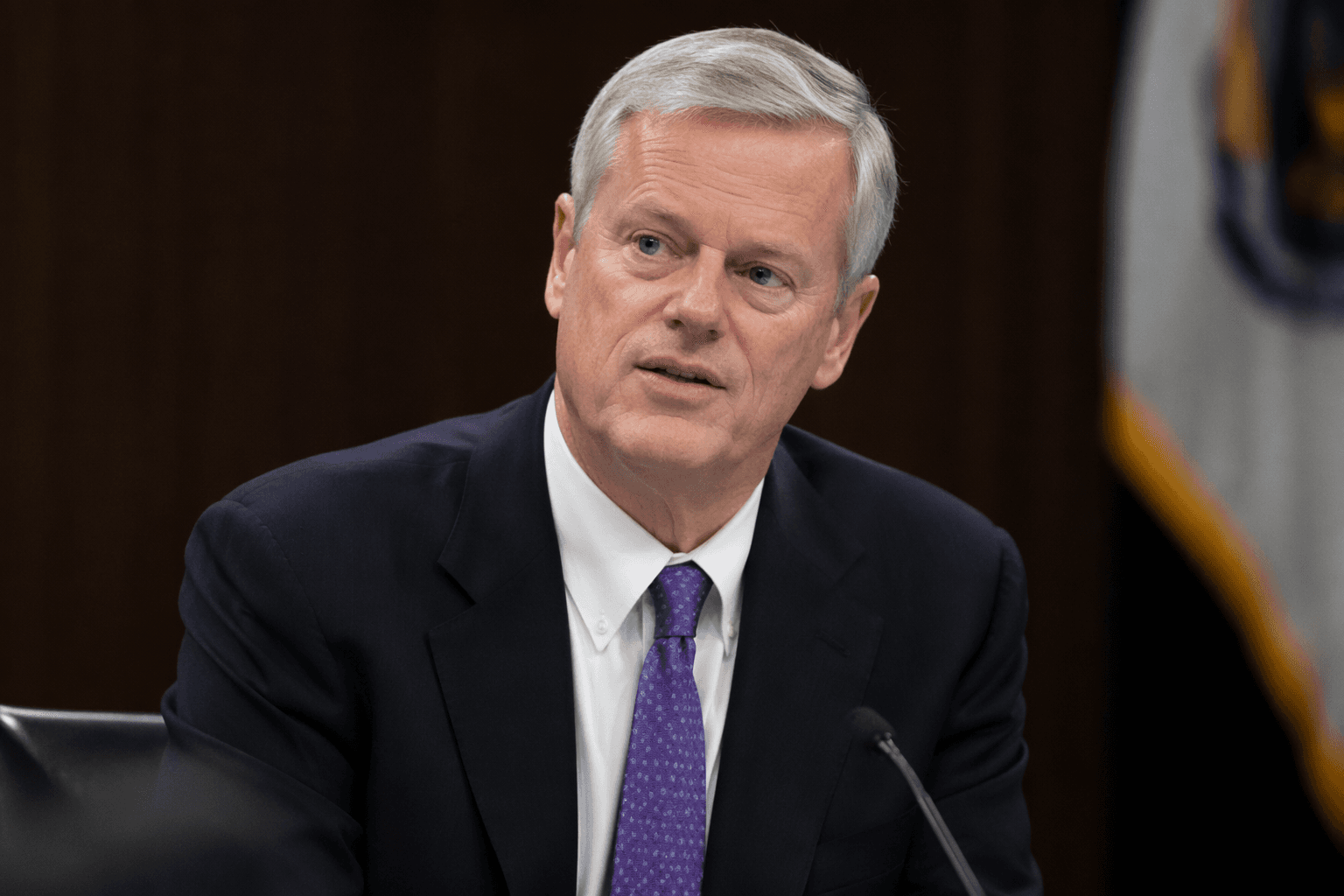
Baker, the former governor of Massachusetts and the NCAA’s sixth president, has led the association since 2023. His appearance came days after he said the NCAA would not need to change its transgender-athlete rules after the Supreme Court upheld state bans on transgender athletes in girls’ and women’s sports, arguing that consistency with federal policy mattered. That interview placed college sports squarely in the national debate over who gets protected, who gets excluded, and how institutions respond when law and policy collide.
The immigration discussion brought together two lawmakers whose biographies shape their politics as much as their votes. Espaillat chairs the Congressional Hispanic Caucus and is described by CBS as the first Dominican American elected to Congress and the first formerly undocumented immigrant to serve as a congressional lawmaker. He conceded the Democratic primary in New York’s 13th Congressional District on June 23, a result that added fresh uncertainty to a seat he has held as one of the most visible Dominican American voices in the House.
Gimenez, a Republican who represents parts of Miami-Dade and the Florida Keys, is a former Miami-Dade County mayor and now chairs the Homeland Security Subcommittee on Transportation and Maritime Security. He has recently pressed for tougher policy on Cuba, including ending flights, remittances and foreign oil shipments, a stance that places him at the hard edge of the party’s immigration and foreign policy debate in South Florida.
The pairing of Espaillat and Gimenez turned the show into a snapshot of a national argument that runs through identity politics, immigration enforcement and representation in public life. In South Florida and New York, Cuban American and Dominican American narratives are not side notes to that debate; they are part of the political frame itself, shaping how immigration is discussed and who is trusted to define it.
This article was produced by Prism’s automated news system from verified source data, official records, and press releases, then run through automated quality and moderation checks before publishing. The system is built and supervised by the people who set the standards it runs under. Read our full AI policy.
Did this article answer your question?