Supreme Court sets new term packed with gun and voting cases
AR-15 bans in Connecticut and Cook County could reach the justices as the October 5 term also takes up voting, LGBTQ and immigration fights.

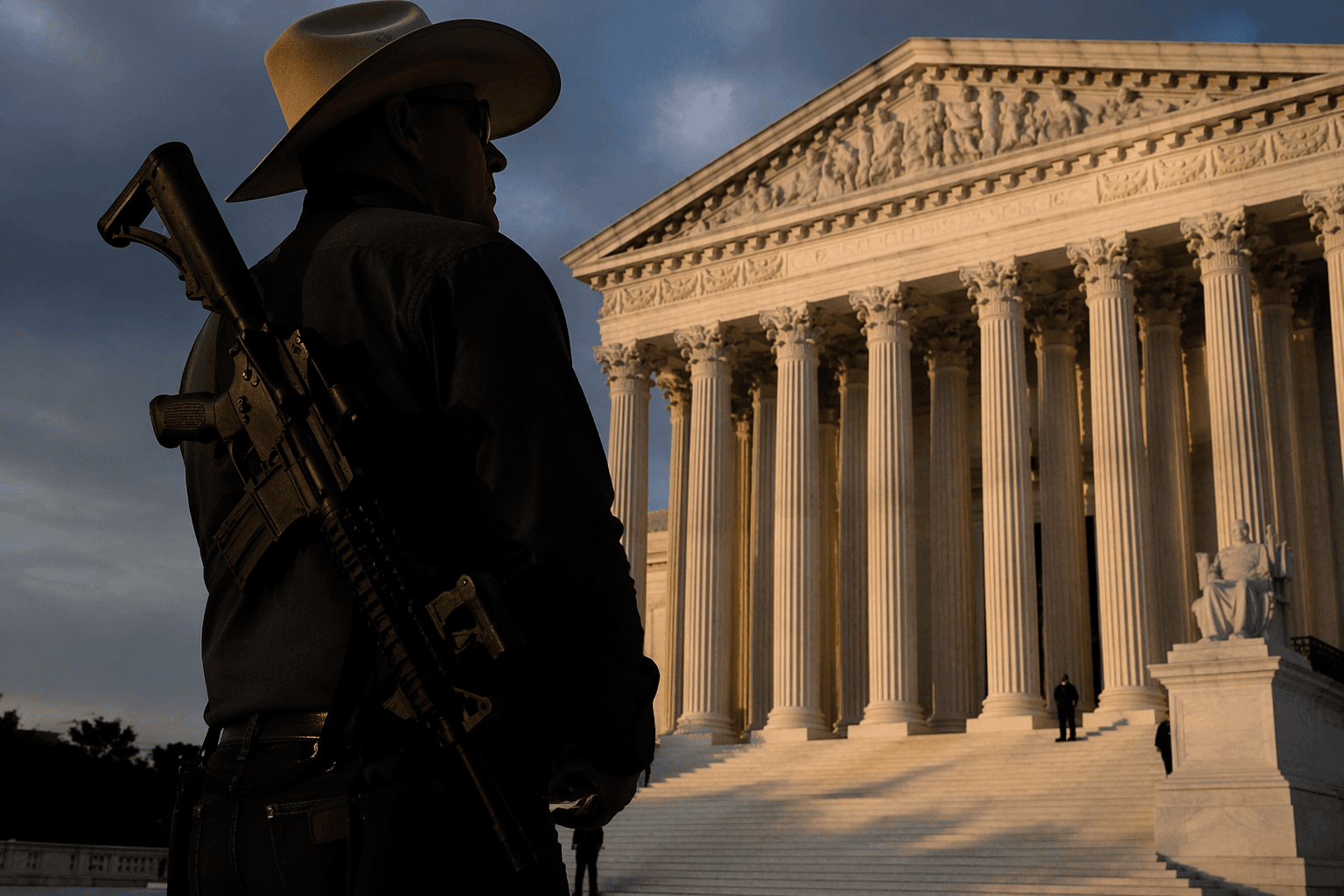
Gun owners in Connecticut and Cook County, Illinois, are heading into a Supreme Court term that could decide whether AR-15 bans survive, while voters in Louisiana and immigrants facing deportation wait on other cases with immediate, day-to-day consequences. The court’s October term opens October 5, 2026, and the docket already includes fights over guns, voting restrictions, LGBT rights and a Trump administration detention policy for certain convicted immigrants.
The gun fight sharpened on June 30, when the justices agreed to review bans in Connecticut and in Cook County, the Chicago-area county that has long defended limits on semiautomatic rifles. The cases arrive in the shadow of New York State Rifle & Pistol Association v. Bruen, decided June 23, 2022, which required modern gun laws to track the nation’s historical tradition of firearm regulation. The practical question now is whether state and local governments can still keep AR-15-style rifles off the streets, or whether the court will treat them as protected arms under the Second Amendment.
Voting rights will come back into view through Louisiana v. Callais, which narrowed Section 2 of the Voting Rights Act and put new pressure on states that draw districts in ways that can dilute Black and Latino voting power. The ruling already changed the redistricting playbook in Louisiana, and it now hangs over election maps elsewhere as state governments and local officials test how far they can go in shaping political power before courts step in.
Immigration detention is the most immediate liberty question on the list. On June 15 the court agreed to hear the Trump administration’s appeal seeking to uphold mandatory detention for certain convicted immigrants with pending deportation proceedings, including people who have lived in the United States for years and are seeking bond hearings, after a unanimous 10th Circuit panel rejected the policy on June 30. A ruling for the administration would widen ICE custody without individualized review and could affect families already caught in the immigration system’s longest waits.
LGBTQ Americans are also watching closely, because the docket includes LGBT-rights cases and the Court was asked in 2025 to revisit Obergefell v. Hodges, the marriage-equality ruling. The term also includes business fights involving ExxonMobil, Suncor Energy, Epic Games, Apple and PepsiCo, showing how quickly the court’s October calendar can move from civil rights to commercial power.
This article was produced by Prism’s automated news system from verified source data, official records, and press releases, then run through automated quality and moderation checks before publishing. The system is built and supervised by the people who set the standards it runs under. Read our full AI policy.
Did this article answer your question?