Face the Nation weighs U.S.-Iran truce, inflation surge and Lebanon strikes
Margaret Brennan put a fragile U.S.-Iran truce, three-year-high inflation and strikes in Lebanon on the same Washington stage, exposing the policy split inside Trump’s national security orbit.

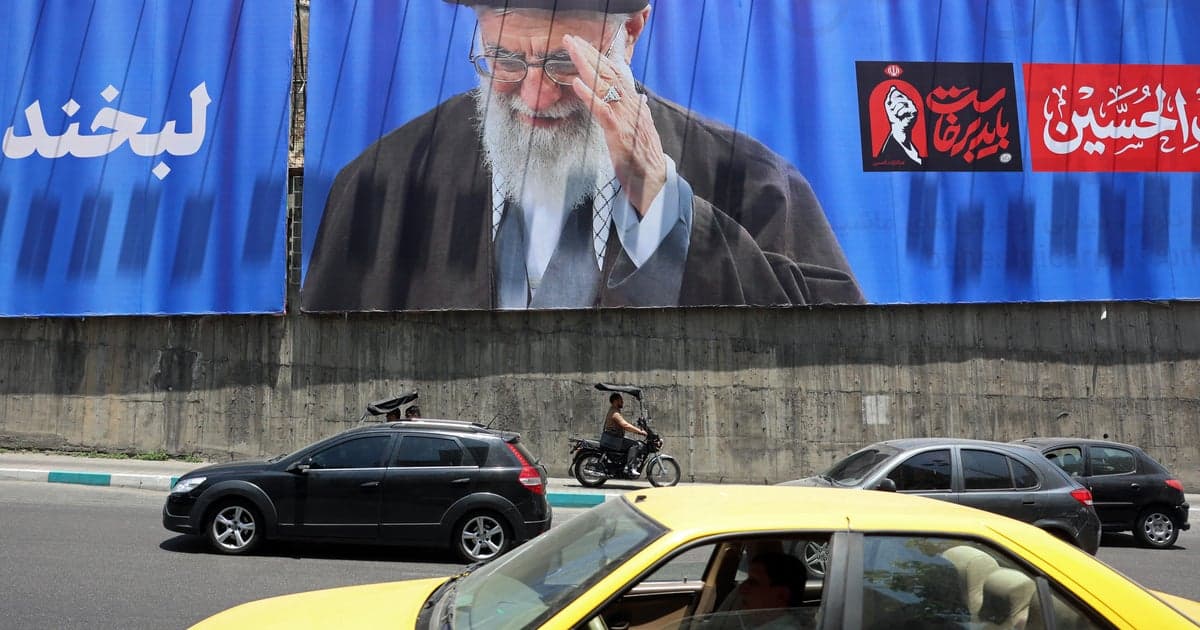
A fragile U.S.-Iran truce, a jump in inflation to its highest level in three years and fresh Israeli strikes in Lebanon converged on Margaret Brennan’s Sunday broadcast, turning the hour into a test of how far President Donald Trump can push diplomacy before the region and the markets push back. The episode put Defense Secretary Pete Hegseth opposite Sen. Mark Warner of Virginia and Sen. Mark Kelly of Arizona, with IBM vice chairman Gary Cohn also on the lineup, as the administration tried to project momentum on security while Trump tied peace to cheaper energy.
Brennan said the United States and Iran were on the brink of a truce and described a preliminary memorandum of understanding that had not yet been signed. If completed, the deal would extend the cease-fire, reopen the Strait of Hormuz and trigger 60 days of negotiations over the remaining disputes. She also framed the segment against a sharp inflation spike, saying prices had climbed to their highest level in three years, while Trump linked any end to the fighting with lower energy prices.

The Lebanon front underscored how uneasy the broader package remained. Brennan said Israeli strikes in Lebanon targeted Hezbollah leadership, and CBS noted that the possible U.S.-Iran truce only vaguely addressed the fighting there. That left a critical gap between the administration’s diplomatic message and the realities on the ground, where any pause in one arena could be undermined by escalation in another.
Hegseth insisted the agreement was still moving forward and cast the remaining disputes as logistical rather than fundamental. He said the deal would prevent Iran from ever obtaining a nuclear weapon, and that nuclear material would be destroyed and removed. In his telling, the Strait of Hormuz would remain open, a signal aimed as much at energy markets as at Tehran.
Warner, the top Democrat on the Senate Intelligence Committee, argued that 107 days into what he called Trump’s war of choice, Iran’s leadership had become more radical. He said any effort to remove enriched uranium would likely require troops on the ground, and he criticized the negotiating team for lacking technical nuclear expertise. Kelly, a Democrat from Arizona, said he had not seen the details yet but backed Trump’s call for all sides to stand down. He also argued that Trump’s 2018 decision to tear up the JCPOA helped drive up energy and food costs, and warned that rebuilding U.S. munitions stockpiles would take years.
This article was produced by Prism’s automated news system from verified source data, official records, and press releases, then run through automated quality and moderation checks before publishing. The system is built and supervised by the people who set the standards it runs under. Read our full AI policy.
Did this article answer your question?