Failing High Streets deepen discontent as Labour faces council election losses
One in seven high street shops are shut as 4,851 council seats go to the polls, turning empty storefronts into a test of Labour's local support.
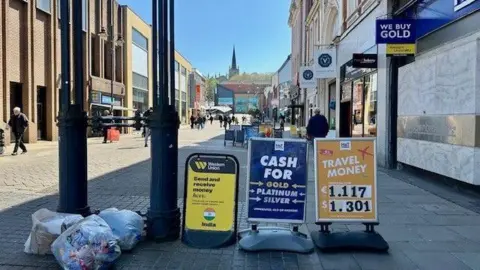
Empty shops have become a political warning light ahead of England’s local elections, as voters prepare to choose 4,851 councillors across 134 councils on Thursday 7 May 2026. In places where high streets are lined with shuttered units, declining footfall and reduced services, the sight of neglect is feeding a broader sense of discontent that could shape turnout and punish incumbents.
That mood matters because the contests are being fought on the same ground that Labour swept in 2022, during the Partygate backlash. Current projections suggest the party could now lose more than 1,000 seats, a reversal that would reflect not just national politics but the everyday state of town centres. Ministers had originally planned to delay elections in 30 areas undergoing local government reorganisation, but withdrew that decision on 16 February 2026 after legal advice, leaving all the votes to go ahead and making the scale of the test even larger.
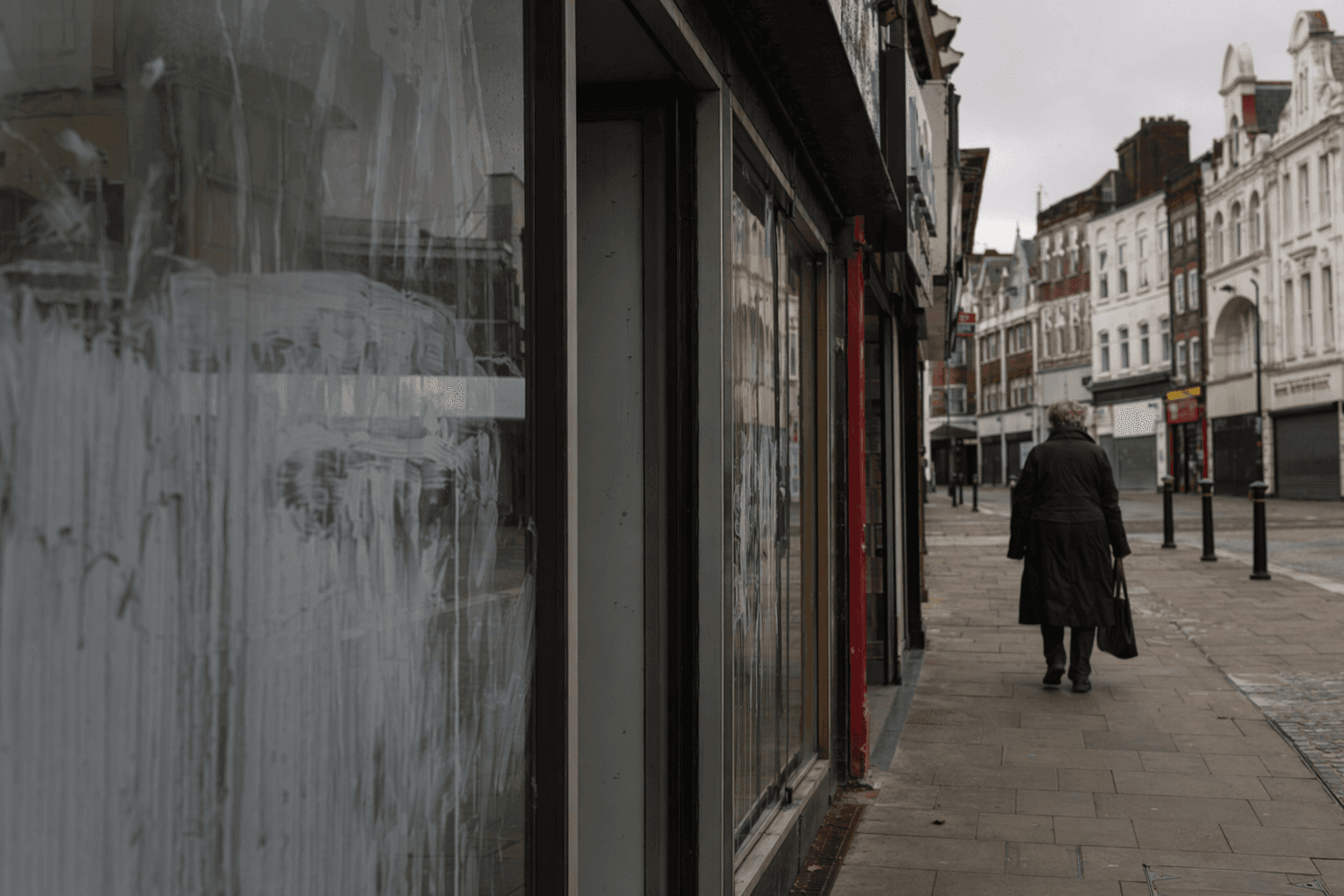
The evidence on high street decline is stark. Government figures say one in seven high street shops are currently closed, and the Ministry of Housing, Communities and Local Government has introduced High Street Rental Auctions to let councils auction leases for shops that have been empty for more than 365 days in a 24-month period. Ministers have framed the policy as a way to revive town centres and bring thriving high streets back for good, but the underlying problem is uneven and deeply tied to local economies.
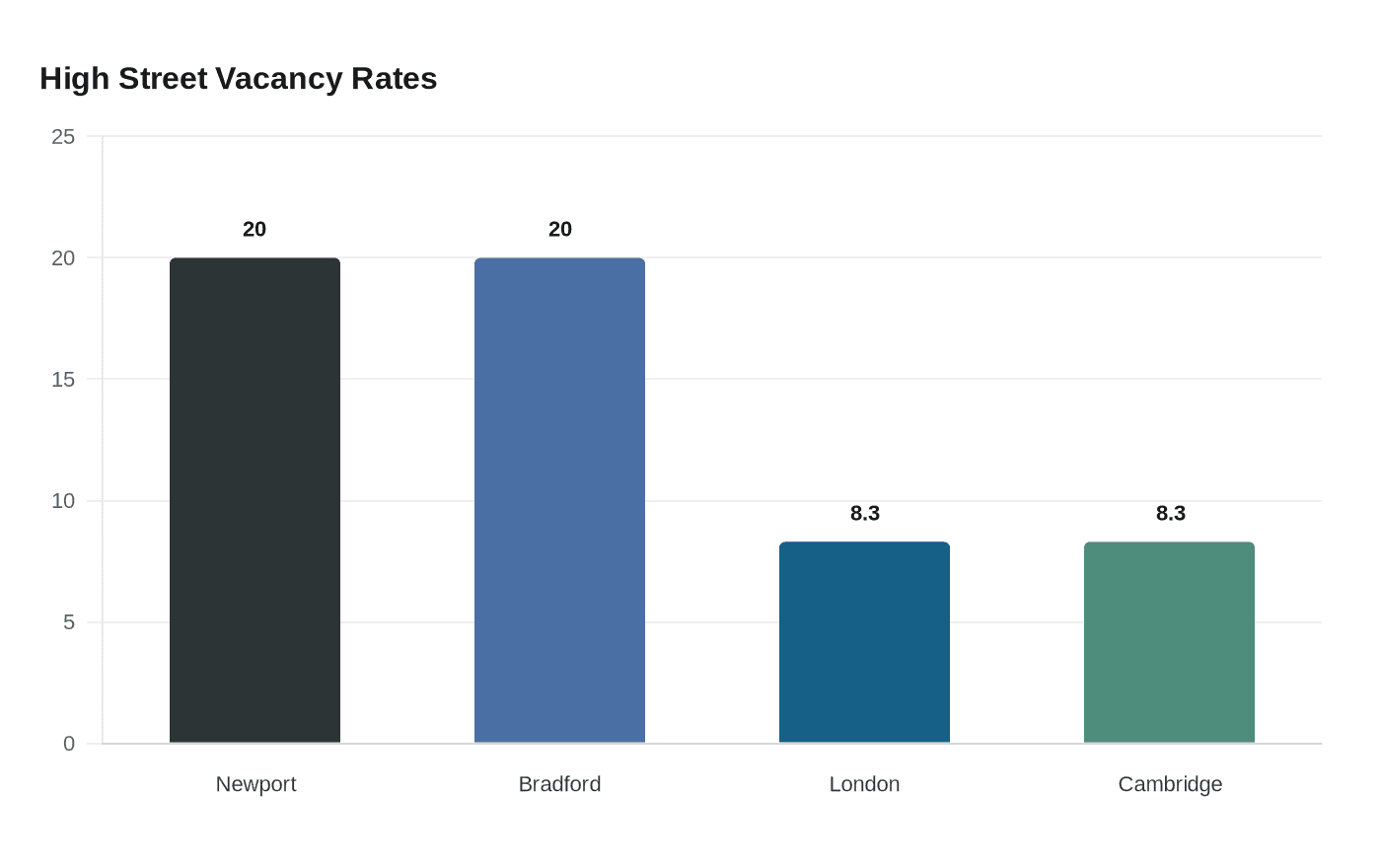
Centre for Cities found that vacancy rates in 2025 were more than twice as high in Newport and Bradford as in London and Cambridge. In central Newport and Bradford, close to one in five shops was empty, compared with about one in 12 in the centres of London and Cambridge. The think tank said millions of anonymised card transactions point to a blunt reality: low spending power and weaker demand help explain why some high streets thrive while others struggle.
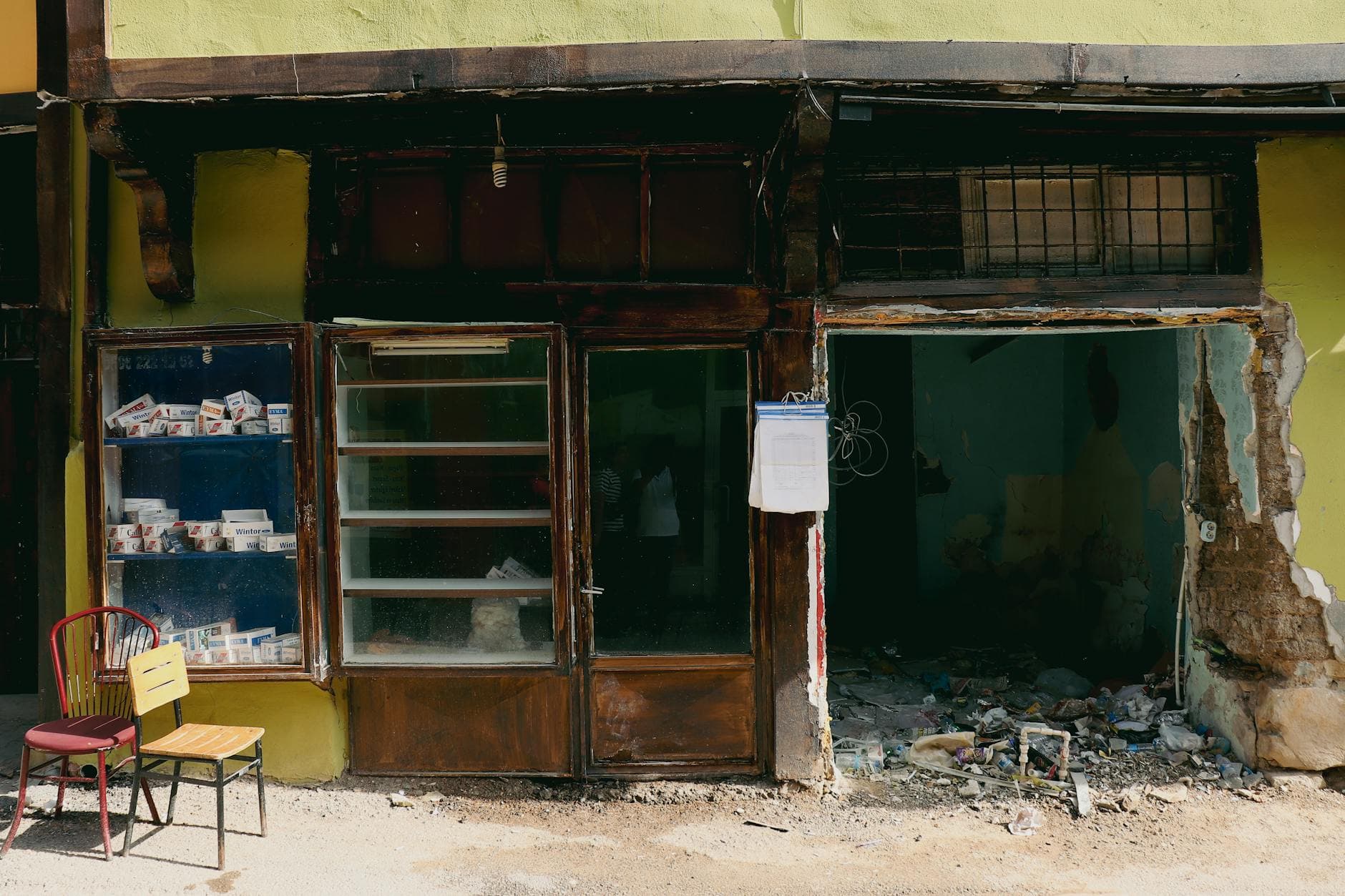
The British Retail Consortium says Britain lost 6,000 retail outlets in the five years to 2024, blaming crippling business rates and the impact of the Covid lockdowns. It says the North and Midlands still have the highest numbers of empty storefronts, while its latest warnings suggest 400 large-format stores could be at risk if new business-rates proposals go ahead, after around 1,000 such outlets have already closed over the past five years.
Other measures point in the same direction. A report using Centre for Retail Research data said 34 retail businesses failed in 2024, closing 7,537 stores and affecting 55,914 employees. Savills put the overall high-street vacancy rate at 17.2% in the final quarter of 2024, alongside a shopping-centre vacancy rate of 13.8%, even as it noted some stabilisation in footfall and demand.
The politics of this decline is as visible as the economics. Empty department stores, shuttered chains and the spread of barbers, vape shops and bookmakers are read by many voters as proof that places have been left behind. As councillors seek votes on regeneration, business rates and anti-vacancy powers, the real contest is over whether national parties understand what neglect looks like on the ground, and how quickly it turns into alienation at the ballot box.
This article was produced by Prism’s automated news system from verified source data, official records, and press releases, then run through automated quality and moderation checks before publishing. The system is built and supervised by the people who set the standards it runs under. Read our full AI policy.
Did this article answer your question?

