Trump says U.S. could strike Iran again amid nuclear tensions
Trump said the U.S. could restart strikes on Iran, as diplomacy stalls over a deal that may reopen Strait of Hormuz shipping first.
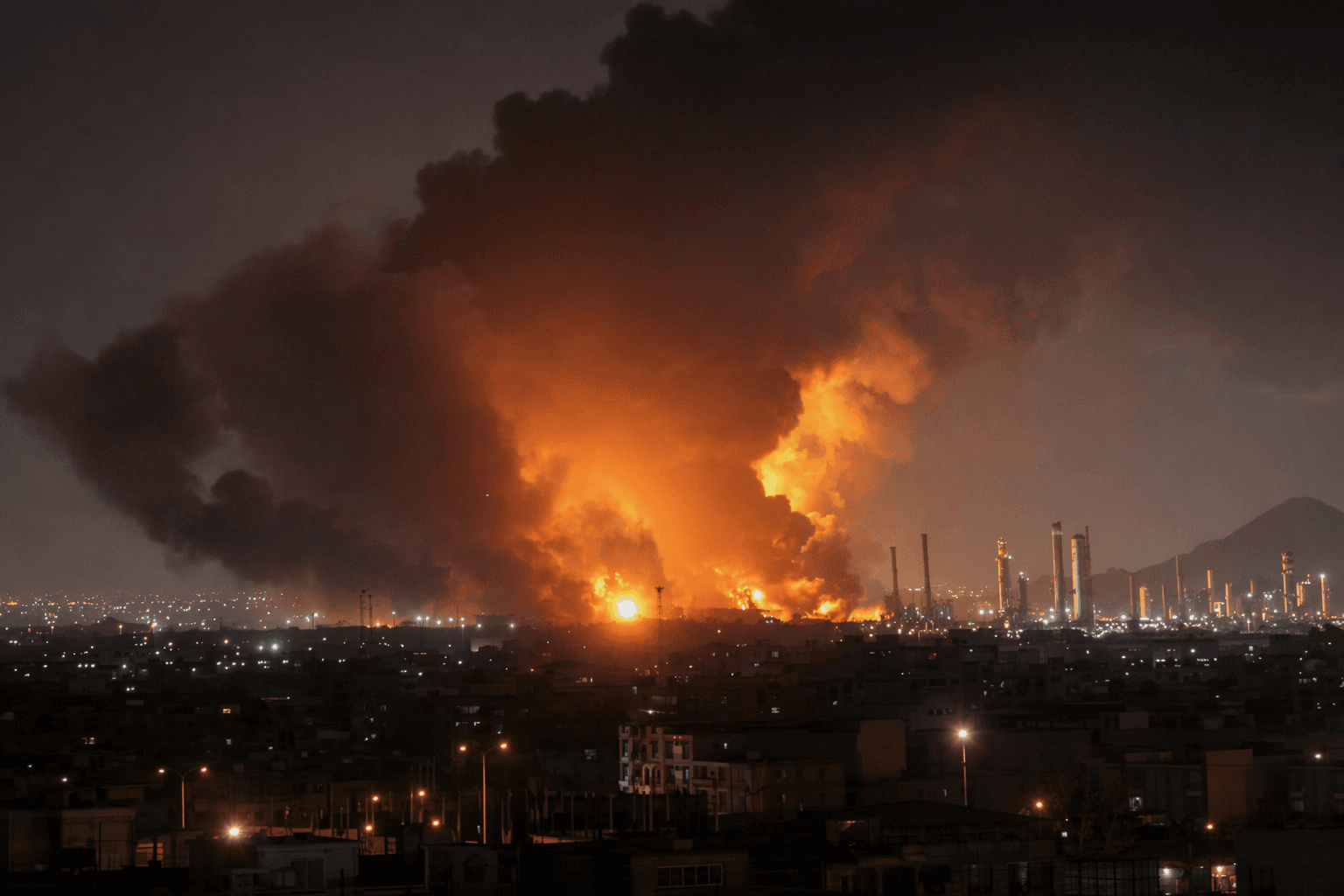
Trump said the United States could restart strikes on Iran, a warning that sharpened the clash between military pressure and fragile diplomacy as Tehran weighs a proposal that would reopen shipping in the Strait of Hormuz before nuclear talks are resolved.
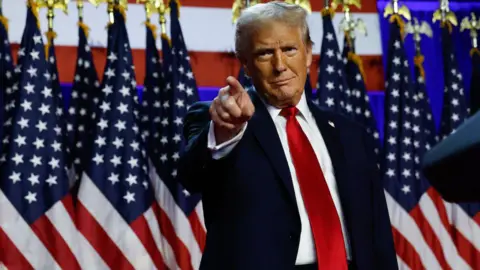
Speaking in West Palm Beach, Florida, on May 2, 2026, Trump said there was a possibility the U.S. could resume strikes and said he had been told about the concept of an Iranian deal, but was waiting for the exact wording. The comments left open the central question for Washington: what specific move by Tehran would trigger renewed attacks, and whether the administration sees force as leverage, a fallback, or an active option if talks fail.
The stakes are higher because the region is still absorbing the aftermath of earlier U.S. and Israeli attacks on Iran in 2026. The UN Security Council held an urgent meeting on February 28, 2026, after the strikes, and Secretary-General António Guterres warned that military action could ignite events “that no one can control.” Volker Türk, the UN high commissioner for human rights, urged restraint and a return to negotiations, while Tom Fletcher, the UN humanitarian chief, warned that civilians were paying the price across the region.
Iran has answered in kind. Foreign Minister Abbas Araghchi said, “If Mr. Trump seeks escalation, it is precisely what our Powerful Armed forces have long prepared for, and what he will get.” The threat matters far beyond rhetoric because any new strikes could hit nuclear sites, shipping lanes, and the economic nervous system of the Gulf, where insurance costs, energy prices and military alert levels can move fast.
The diplomatic track is still alive, but narrow. U.S.-Iran nuclear talks began on April 12, 2025, and included three Omani-mediated rounds in Muscat and Rome during April 2025. Trump warned Iran in March 2025 of further sanctions and large-scale military strikes, including against Iranian nuclear facilities, after sending a letter to Supreme Leader Ali Khamenei. Iran’s enrichment has reached 60 percent purity since 2019, far above the 3.76 percent limit in the 2015 nuclear deal.
That gap is what makes Trump’s latest warning so consequential. If the White House is preparing for another strike campaign, Congress, allies and energy markets will need to know whether the administration is tying military action to enrichment levels, shipping access, or a broader collapse in negotiations. In a region already strained by war, the next U.S. move could decide whether diplomacy survives or the conflict widens again.
Know something we missed? Have a correction or additional information?
Submit a Tip