Rising inflation and gas prices squeeze Trump as economy approval falls
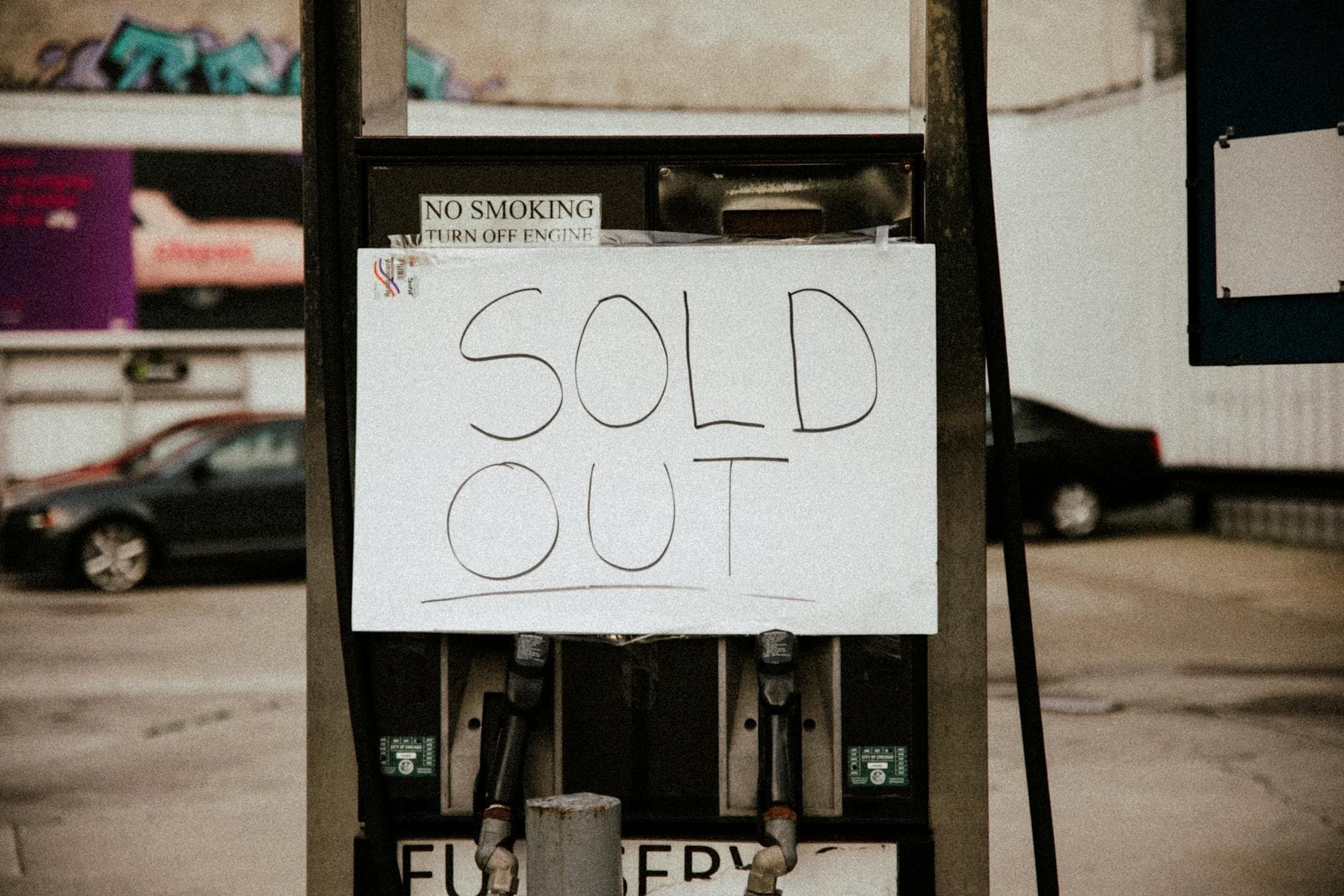
Gasoline jumped 21.2% in March as Trump’s economy approval sank to 30%, leaving voters focused on costs even as hiring held steady.

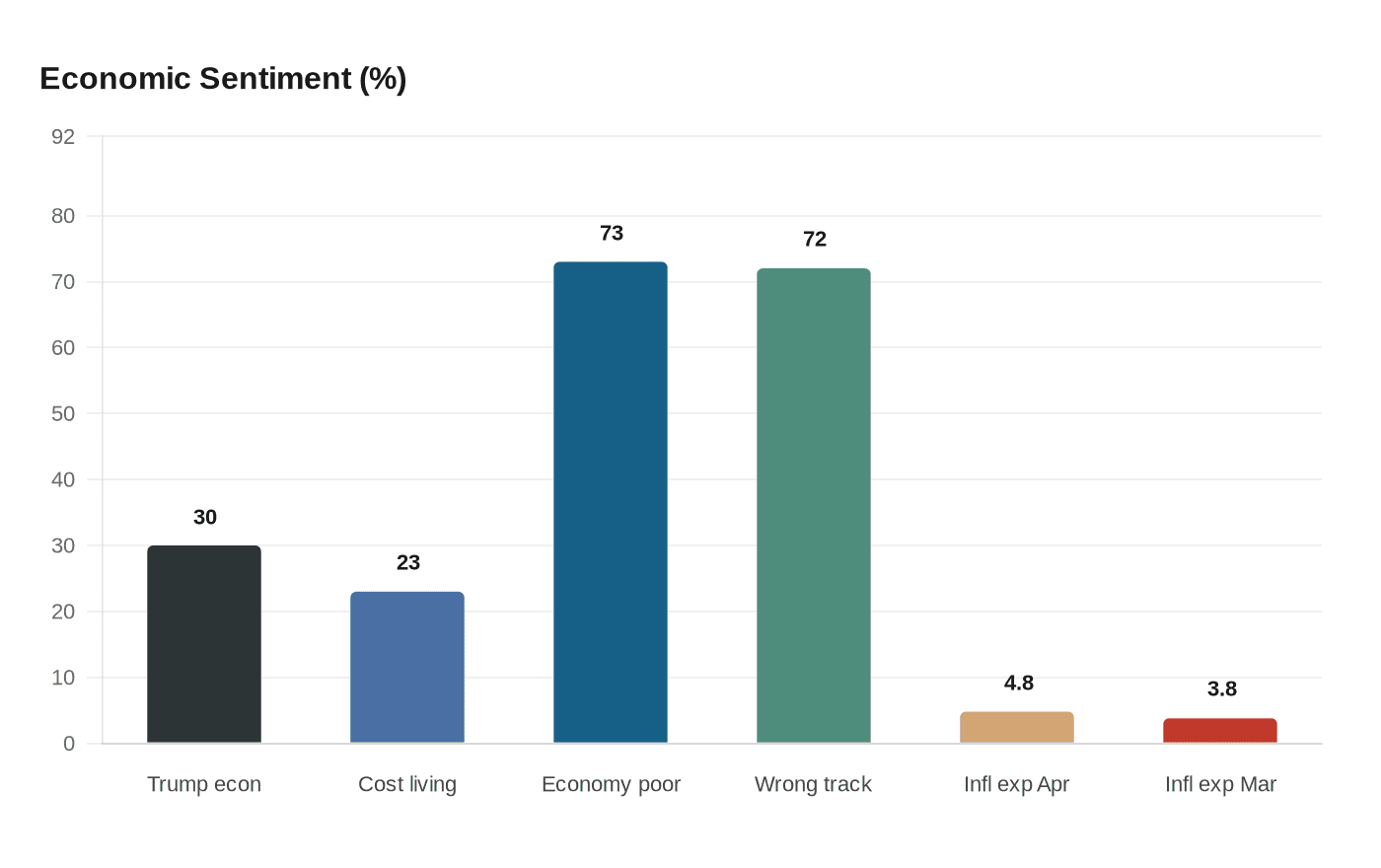
Donald Trump’s standing on the economy slipped sharply in April as gasoline costs surged and voters kept signaling that household budgets, not macroeconomic headlines, were driving their mood. In an AP-NORC poll taken April 16 to 20, just 30% approved of Trump’s handling of the economy, down from 38% in March, while only 23% approved of his handling of the cost of living. The same poll found 73% of Americans said the economy was poor and 72% said the country was on the wrong track.
That political strain matched the latest inflation data. The Consumer Price Index for All Urban Consumers rose 0.9% in March from February and was up 3.3% from a year earlier, with the sharpest pressure coming from energy. Energy prices jumped 10.9% in the month, gasoline alone rose 21.2%, shelter climbed 0.3% and food was unchanged. For households filling a tank, paying rent or watching grocery bills, the split-screen economy looked less like moderation and more like renewed strain.

The Federal Reserve said on April 29 that the economy had been expanding at a solid pace, with job gains remaining low on average and the unemployment rate little changed in recent months. But the central bank also said inflation remained elevated in part because of higher global energy prices. March payroll employment increased by 178,000 and the unemployment rate held at 4.3%, a sign that the labor market was still relatively stable even as price pressure persisted.
Consumer attitudes remained fragile. The University of Michigan’s consumer sentiment index stood at 53.3 in March, and its April reading showed year-ahead inflation expectations jumping to 4.8% from 3.8% in March, the biggest one-month increase since April 2025. The Conference Board’s Consumer Confidence Index edged up to 92.8 in April from 92.2 in March, but the organization said rising gasoline prices tied to Middle East turmoil were weighing on sentiment. Taken together, the surveys suggest that consumers were noticing the same pressure points that animated the inflation data: fuel, shelter and the broader cost of living.

That leaves Trump with limited room to change the picture before voters deliver their next verdict. The White House can lean on stronger hiring numbers and a still-solid economy, but it has far less control over global energy markets, gasoline prices and the inflation that families feel in real time. With the April jobs report due on May 8, the coming data will matter, but the political test will still come down to whether Americans feel relief at the pump and at the kitchen table.
This article was produced by Prism’s automated news system from verified source data, official records, and press releases, then run through automated quality and moderation checks before publishing. The system is built and supervised by the people who set the standards it runs under. Read our full AI policy.
Did this article answer your question?

