Alabama, Tennessee rush to redraw maps after Supreme Court ruling
Alabama and Tennessee are racing the clock after a Supreme Court ruling that could put as many as 19 majority-minority House districts back in play.
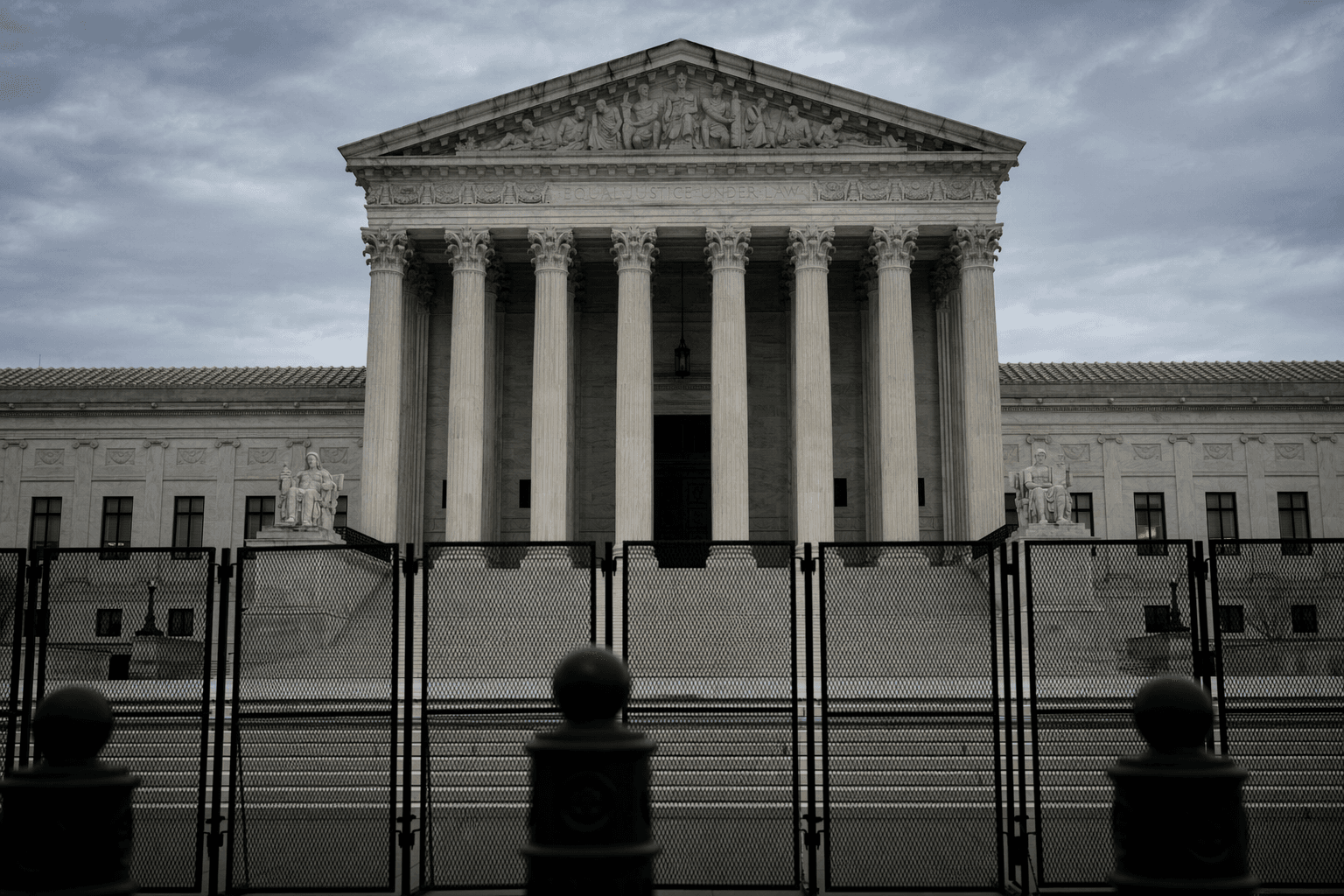
Alabama and Tennessee moved quickly to redraw congressional maps after a 6-3 Supreme Court ruling in Louisiana v. Callais sharply weakened the practical reach of Section 2 of the Voting Rights Act. The April 29 decision struck down Louisiana’s congressional map as an unconstitutional racial gerrymander and raised the legal bar for future challenges by requiring evidence supporting a strong inference that lawmakers intentionally drew districts to give minority voters less opportunity because of race. Justice Elena Kagan called the ruling “far-reaching and grave.”
The fallout was immediate across the South, where election officials are now racing primary calendars and court deadlines. Analysts and officials warned the ruling could affect as many as 19 majority-minority districts nationwide, a shift with direct consequences for control of the House in the 2026 midterms. The decision also arrived after President Donald Trump pressed other states to revisit their maps, adding fresh political pressure to an already volatile redistricting cycle.
In Alabama, Gov. Kay Ivey called lawmakers into special session beginning Monday, May 5, with the GOP-controlled Legislature expected to prepare for special primaries if the Supreme Court allows the state to return to a previously drawn map. Alabama’s primary is scheduled for May 19, and the current court-ordered map includes two districts with heavy Black populations unless the courts act quickly enough to change course. Attorney General Steve Marshall has already filed an emergency motion asking the Supreme Court for a fast answer on whether the state can revert to its earlier map, a move that would likely give Republicans an additional House seat. Alabama was already at the center of the redistricting fight in Allen v. Milligan, when the court ordered the state in 2023 to create a second district where Black voters would have a fair chance to elect their preferred representative.

Tennessee is moving on a similar track. Gov. Bill Lee called the GOP-controlled Legislature into special session to review the state’s congressional map, which includes one Democratic-held district centered in majority-Black Memphis. Lee’s office said any change must be enacted as soon as possible to fit the state’s election calendar before the August 6 primary. South Carolina is also being pulled into the scramble, with Gov. Henry McMaster saying the General Assembly should ensure the state’s map complies with federal law and the Constitution. South Carolina’s primary is set for June 9, and the state’s lone Democratic member of Congress, Rep. Jim Clyburn, represents a majority-minority district centered in the 6th District.
Louisiana has already been forced to act. Gov. Jeff Landry suspended the May 16 congressional primary, with early voting set to begin May 2, and also suspended the June 27 second primary for U.S. House races after the ruling left the state unable to proceed under its invalidated map. The suspension has already drawn lawsuits from candidates, voters and civil rights groups. With redistricting fights now spreading beyond Louisiana, the court’s decision has opened a fast-moving contest over congressional power, minority representation and the shape of the House before voters cast a single ballot.
This article was produced by Prism’s automated news system from verified source data, official records, and press releases, then run through automated quality and moderation checks before publishing. The system is built and supervised by the people who set the standards it runs under. Read our full AI policy.
Did this article answer your question?

