Trump Faces Backlash as Gas Prices Surge Amid Iran War
Gasoline crossed $4 a gallon as the Iran war pushed Brent crude near $94, and most voters now blame Trump for the squeeze.
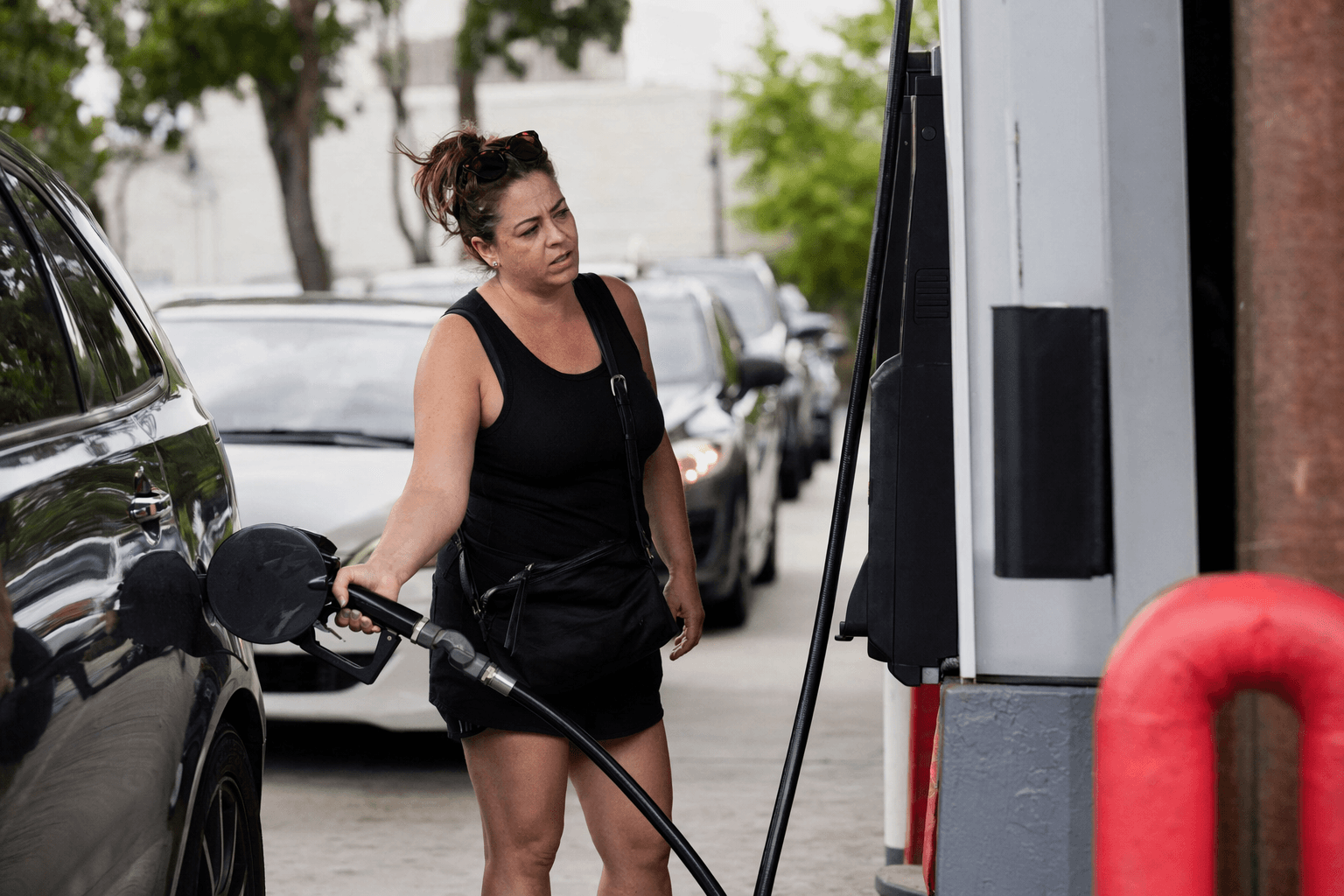
At the kitchen table, the war in Iran is showing up as a higher number on the pump sign. After 61 days of fighting, the U.S. national average for regular gasoline climbed above $4 a gallon in early April and kept rising into late April, turning an overseas oil shock into a growing political liability for Donald Trump.
AAA said the national average first topped $4 on April 2, when it hit $4.08, then climbed to $4.16 by April 9. By late April, the average had reached about $4.17 to $4.18, a level AAA said had last been seen in August 2022. The move has been swift enough to revive memories of earlier energy crises and to put gas prices back at the center of household budgets just as summer driving season approaches.
The pressure began building soon after the war started on February 28, 2026. The U.S. Energy Information Administration said Brent crude settled at $94 a barrel on March 9, about 50% above its level at the start of the year. That jump matters because crude oil is the main input for gasoline, and the higher cost is filtering through the broader economy. The Bureau of Labor Statistics said consumer prices rose 3.3% in March from a year earlier, underscoring how the oil shock is adding to inflation instead of easing it.
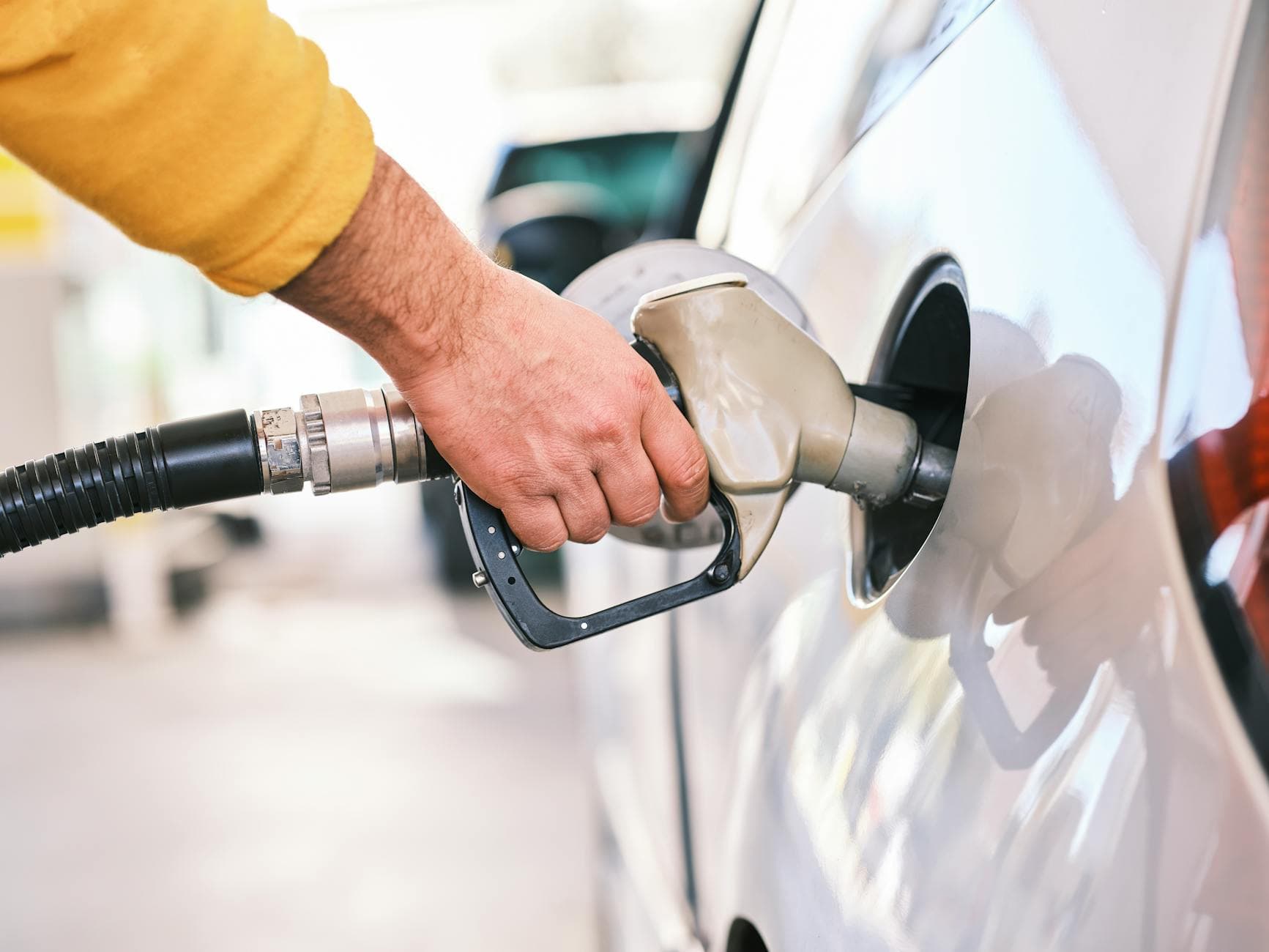
The burden is landing hardest on lower-income households, which spend a larger share of their income on fuel, commuting, and food. For many drivers, even a few extra cents at the pump compounds into real monthly strain. Economists have warned that a sustained jump in energy costs can ripple through the entire inflation picture, from delivery fees to grocery prices, making the political stakes larger than gasoline alone.
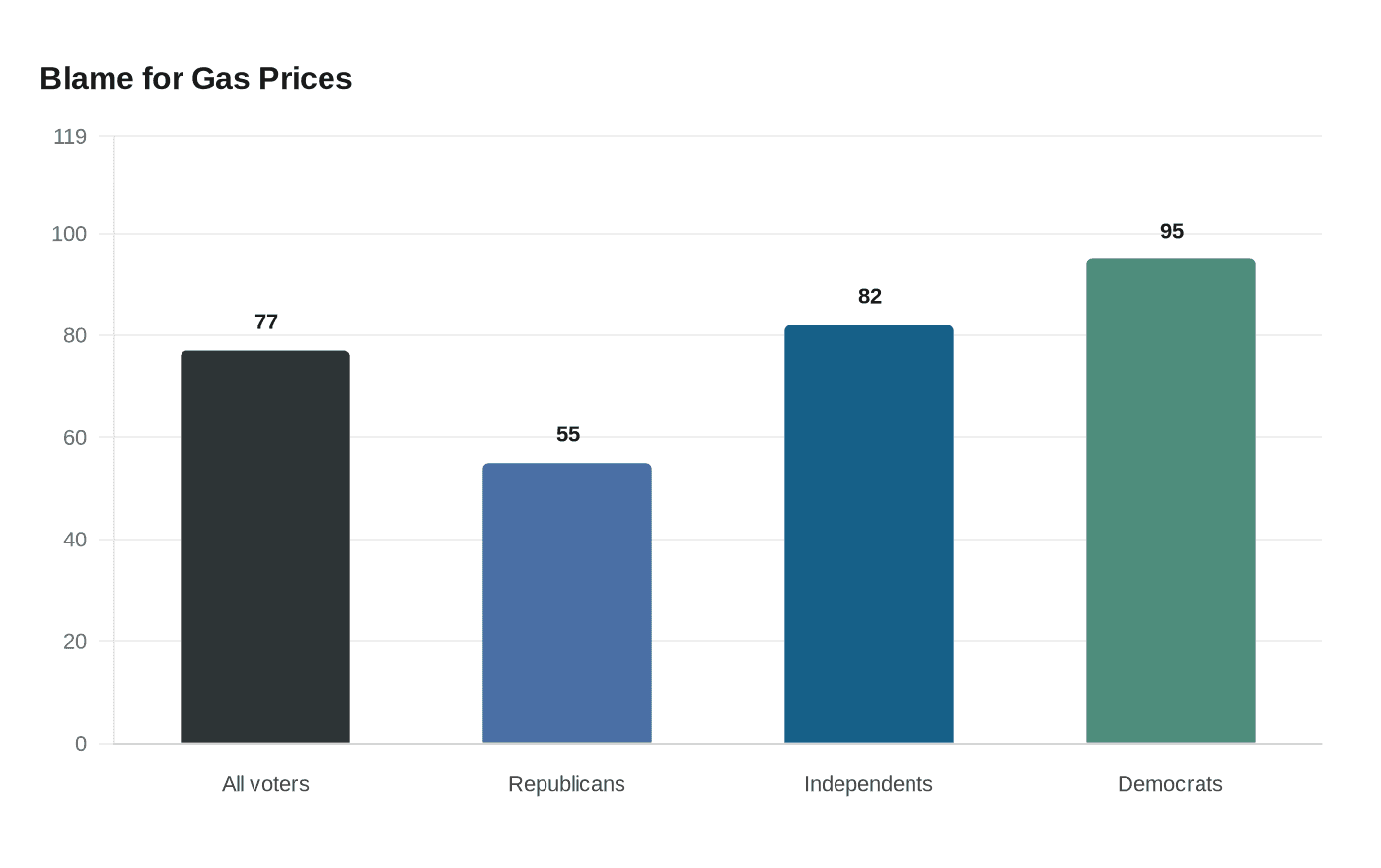
The backlash is already visible in polling. A Reuters/Ipsos survey conducted April 15 to 20 found that 77% of registered voters said Trump bears at least some responsibility for the surge in gas prices. That blame crossed party lines, with 55% of Republicans, 82% of independents, and 95% of Democrats assigning him at least some responsibility. The White House tried to steady markets on April 29, when administration officials met with oil and gas executives to discuss steps that could ease pressure if the blockade in the region lasts for months.
Trump has publicly brushed off the concern, saying higher prices were a small price to pay for peace and safety. But with gas near the highest national average since 2022 and the 2026 midterm campaign taking shape, the administration has less room to absorb an energy shock that voters can see every time they pull up to the pump.
This article was produced by Prism’s automated news system from verified source data, official records, and press releases, then run through automated quality and moderation checks before publishing. The system is built and supervised by the people who set the standards it runs under. Read our full AI policy.
Did this article answer your question?

