Familial DNA leads to arrest in multi-state sexual assault spree
Berkeley detectives arrested a Texas man after familial DNA tied him to assaults from 1994 to 2008. The case underscores the impact of testing unprocessed sexual-assault kits.

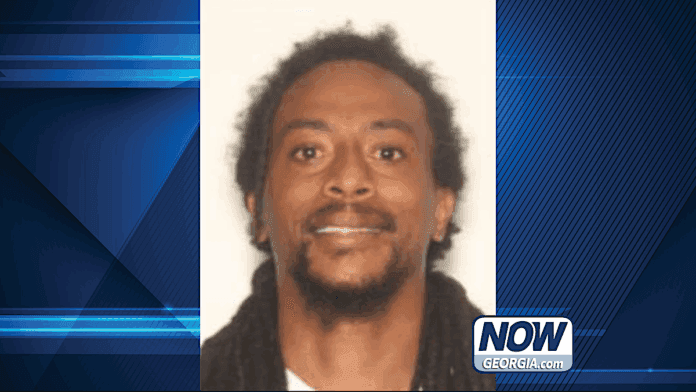
A long-unsolved string of sexual assaults that spanned more than a decade took a major step toward closure after Berkeley police, working with Alameda County investigators, arrested 56-year-old Lashay Durisseau of Richmond, Texas. Durisseau was taken into custody on January 13, 2026 after DNA testing and a familial-DNA search tied him to assaults dating from 1994 through 2008.
Investigators say Durisseau is connected to at least seven kidnappings and rapes across multiple states, including two assaults in Alameda County in 2002. The arrest stems from renewed forensic work on a Berkeley assault originally processed in 2015 and from a broader push to clear a backlog of untested sexual-assault kits. Grants that funded the processing of hundreds of previously untested kits helped generate the familial-DNA lead that identified and later confirmed Durisseau as a suspect.
Berkeley detectives traveled to Texas with the assistance of local law enforcement to effect the arrest. Alameda County prosecutors have charged Durisseau with multiple counts, including forcible rape and forced oral copulation. The investigation remains active and prosecutors are preparing additional charges as they continue to review evidence and cross-jurisdictional links.
For the true crime community and for anyone following cold cases, this arrest is a clear example of how investment in kit processing and modern DNA techniques can revive stalled investigations. The familial-DNA lead shows the power of genetic connections when combined with traditional detective work and interagency cooperation. It also underlines why communities pushed for grants and resources to address the kit backlog: those efforts can translate into arrests and potential accountability decades after crimes occurred.
The practical implications are immediate. Victims and witnesses who may have information about the listed assaults or about other unexplained cases from the same period should contact Berkeley Police or Alameda County investigators to share tips. Lawyers and advocates will be watching how charges are filed and how prosecutors use updated forensic results in court.
This development also signals likely further activity: prosecutors preparing charges may announce new counts, and investigators could re-examine other cold cases with similar patterns. For now, the arrest provides a measure of progress for survivors and a reminder that deferred forensic work can still yield decisive leads.
Know something we missed? Have a correction or additional information?
Submit a Tip