Farhadi calls Iran crackdown and war deaths deeply painful
Asghar Farhadi used Cannes to condemn Iran’s crackdown and war deaths, saying the suffering was “deeply painful” as his new film drew a seven-minute ovation.
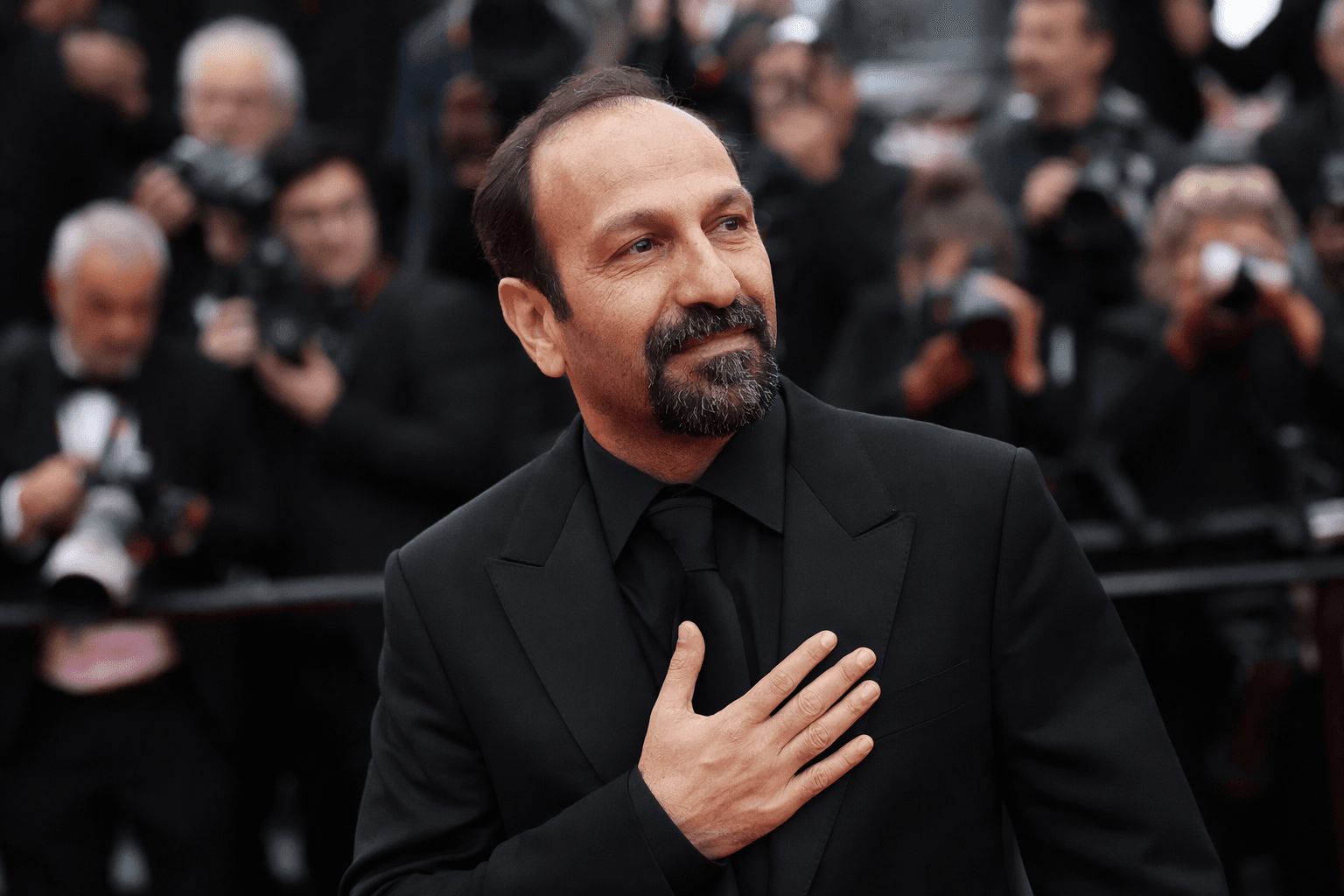
Asghar Farhadi turned Cannes into a platform for indictment, saying the deaths of protesters in Iran’s January crackdown and the civilian toll of the war that followed were “deeply painful.” The Oscar-winning director, in the French Riviera for the premiere of Parallel Tales, said he had been in Tehran the previous week and was still carrying the emotional weight of what he had seen and read.
Farhadi’s remarks carried unusual force because they reached beyond the usual festival tribute to a filmmaker with a long record of political defiance. He said the crackdown and the war would not be forgotten, and he described the repression as “massacring” protesters. His criticism touched both the killing of demonstrators by the Islamic Republic and the civilian deaths from U.S. and Israeli airstrikes in Iran, putting state violence and foreign strikes into the same frame of loss.
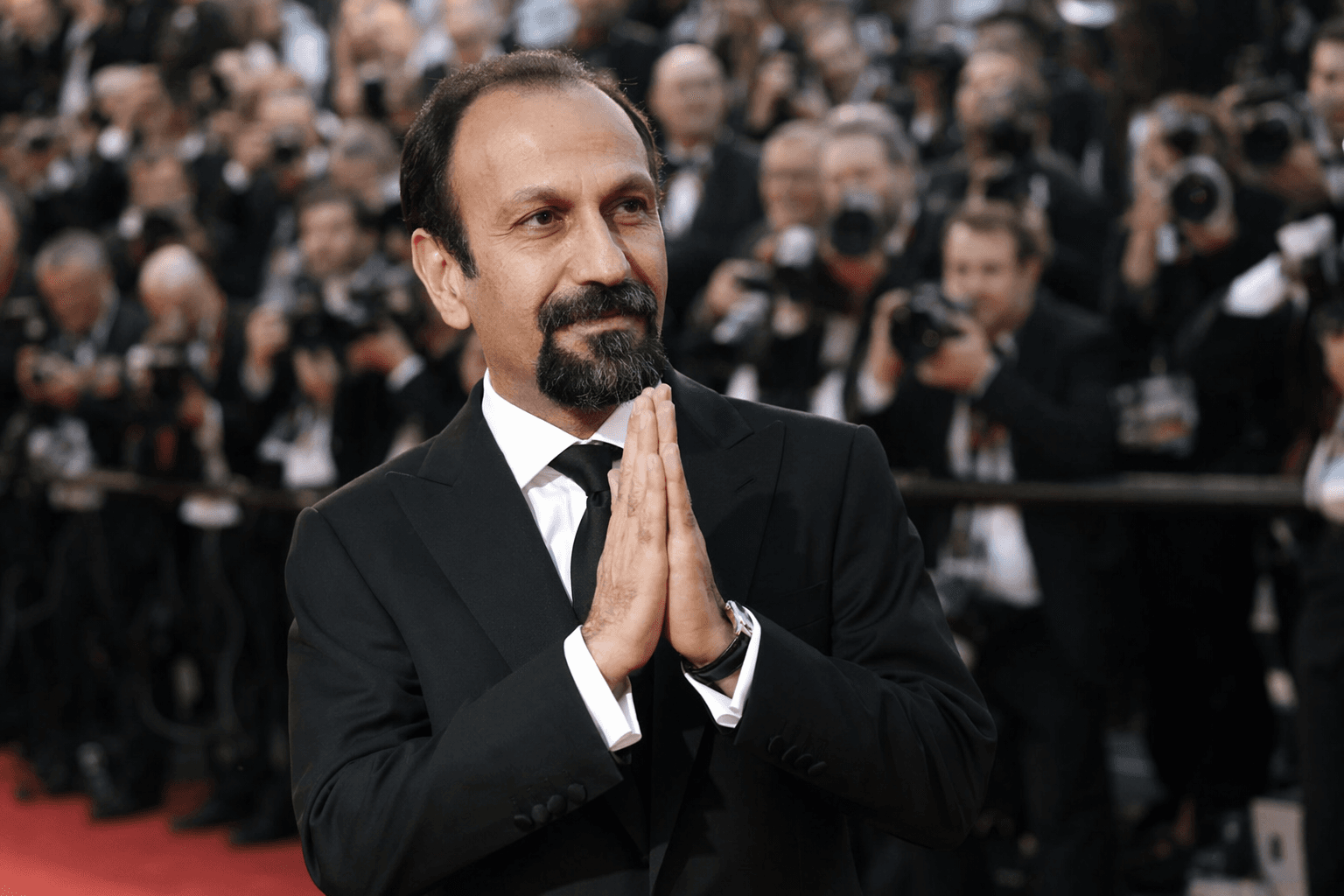
The backdrop to those comments was stark. Protests erupted in Iran on 28 December 2025 and spread nationwide before being crushed in January 2026. Amnesty International said authorities cut all internet access from 8 January to block communication and conceal the scale of the violence, while the U.K. Parliament Commons Library said most protests had ended by mid-January but the blackout and media restrictions made the full toll difficult to assess. War then broke out at the end of February after U.S. and Israeli airstrikes.
Farhadi’s decision to speak at Cannes mattered because the festival remains one of the few global stages where Iranian artists can reach an international audience without the controls they face at home. Cannes 2026 ran from 12 to 23 May and included 21 films in Competition for the Palme d’Or, with Parallel Tales in the main competition and greeted by a seven-minute standing ovation. For an artist who has lived largely outside Iran since 2023 and has said he will not make films there until censorship rules change, the setting underscored the shrinking room for dissent inside the country.
His history gives the statement added weight. In 2017, Farhadi boycotted the Oscars in protest of the U.S. travel ban affecting Iran and six other countries, a stance tied to The Salesman, which won best foreign-language film. At Cannes, the pattern was the same: a major Iranian filmmaker using a major Western stage to force attention back to repression, war, and the human cost now being borne by ordinary Iranians.
This article was produced by Prism’s automated news system from verified source data, official records, and press releases, then run through automated quality and moderation checks before publishing. The system is built and supervised by the people who set the standards it runs under. Read our full AI policy.
Did this article answer your question?