Trump urges Beijing, Taipei to cool tensions over Taiwan
Trump told Beijing and Taipei to “cool down” over Taiwan after Xi pressed him on U.S. defense plans and a pending $14 billion arms sale.
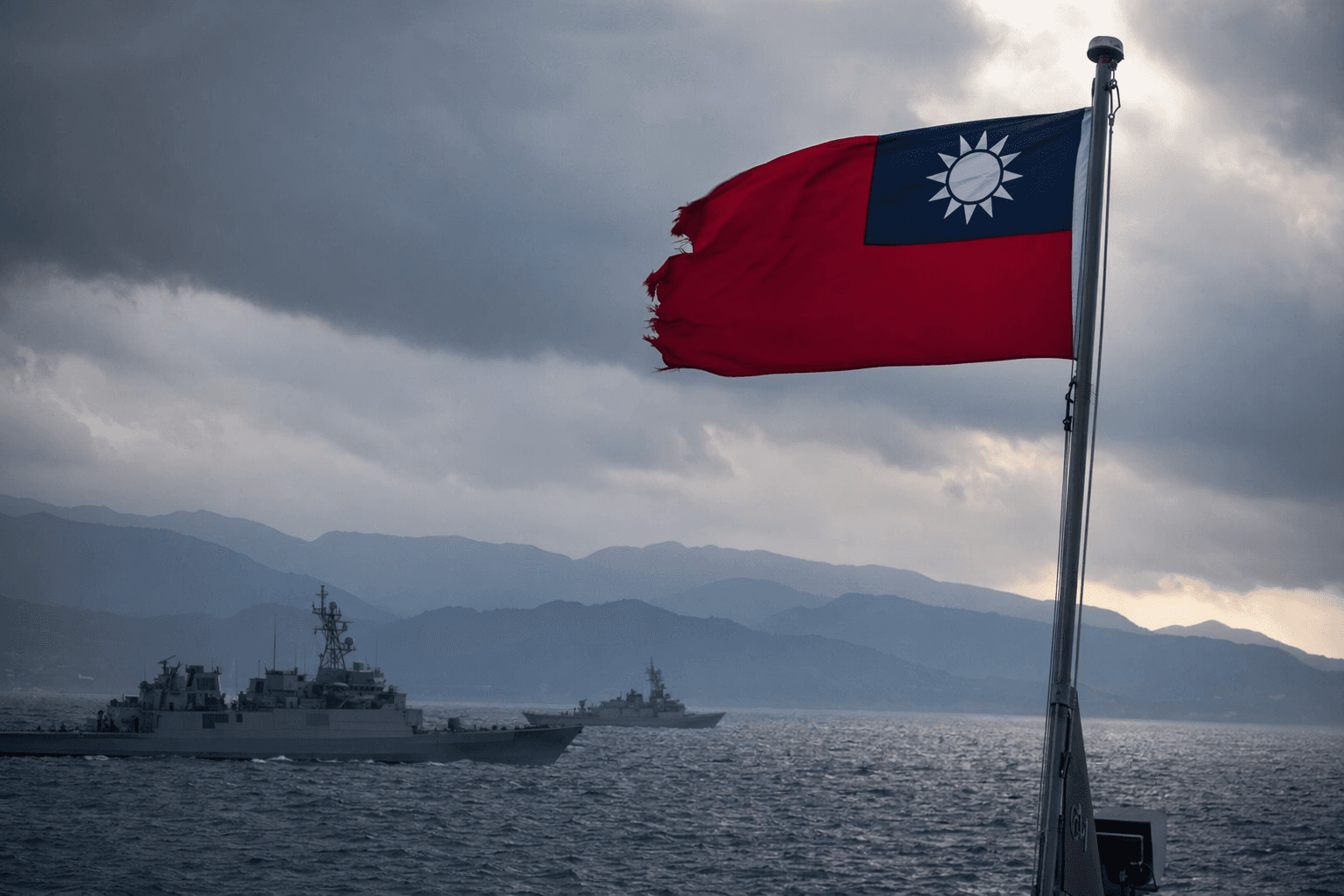
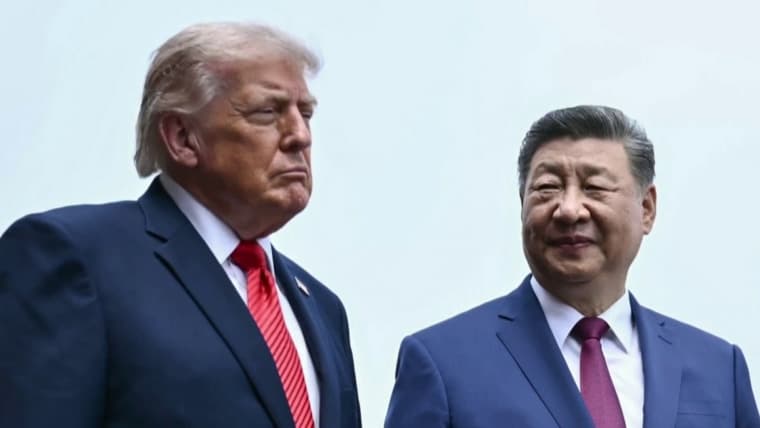
Trump urged Beijing and Taipei to “cool down” tensions over Taiwan after a two-day summit with Xi Jinping in Beijing that put the island back at the center of U.S.-China relations. The warning came just hours after Xi warned that mishandling Taiwan could trigger clashes or conflict and damage the broader relationship.
Trump said Xi directly asked whether the U.S. would defend Taiwan. “I don’t talk about that,” Trump said, adding later that he had made no commitment either way. He also said he would decide soon on a pending $14 billion U.S. arms sale to Taiwan after speaking with Taiwan’s leader, a reminder that Washington’s policy of strategic ambiguity remains intact even as the rhetoric around it sharpened.
That ambiguity is exactly what makes Trump’s language significant. He did not endorse Taiwan’s independence, and he did not promise military intervention if China moved against the island. But by publicly pressing both sides to ease tensions, he put Taiwan policy back into the center of a high-stakes diplomatic exchange with Xi, who had made clear before the summit that Taiwan would be at the top of his agenda.
Taipei moved quickly to lower the temperature. Taiwan’s Mainland Affairs Council said there was “no surprising information” from the summit and argued that China’s military harassment, not Taiwan’s stance, remained “the real threat to peace.” Deputy Minister Shen Yu-chung said officials would be watching “whether the US makes any changes to its position on Taiwan Strait issues as a result of that meeting.” Taiwan’s foreign ministry also stressed that U.S. arms sales were part of a long-standing and consistent policy, and said such sales were “a security commitment to Taiwan explicitly stated in the Taiwan Relations Act.”
Beijing’s leverage over the issue remains rooted in force. China has never renounced the use of force to bring Taiwan under its control, and its warplanes and warships operate around the island almost daily. Taiwan is formally governed by the Republic of China, whose government fled to Taiwan in 1949 after losing the Chinese civil war, and President Lai Ching-te’s administration rejects Beijing’s claim that the island is part of China.
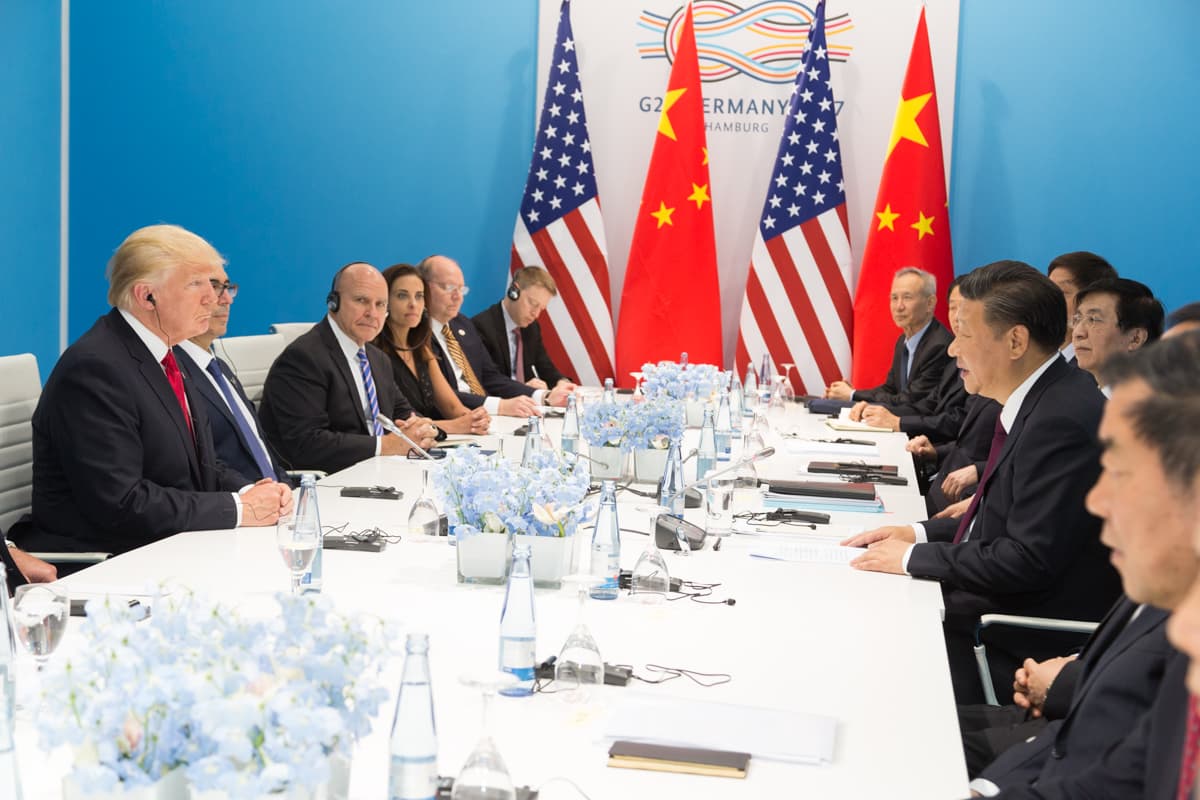
That is why Trump’s words landed so closely after the summit. To Beijing, they will read as a refusal to clearly back Taiwan. To Taipei, they signal that the U.S. still has not abandoned strategic ambiguity, even as a $14 billion weapons decision hangs over the next phase of the dispute.
This article was produced by Prism’s automated news system from verified source data, official records, and press releases, then run through automated quality and moderation checks before publishing. The system is built and supervised by the people who set the standards it runs under. Read our full AI policy.
Did this article answer your question?