Iraq militia commander charged in plot to attack Jewish sites in U.S.
A senior Kata’ib Hizballah commander was charged in Manhattan over an alleged plot targeting Jewish sites in New York, as prosecutors traced an Iran-backed proxy into U.S. territory.
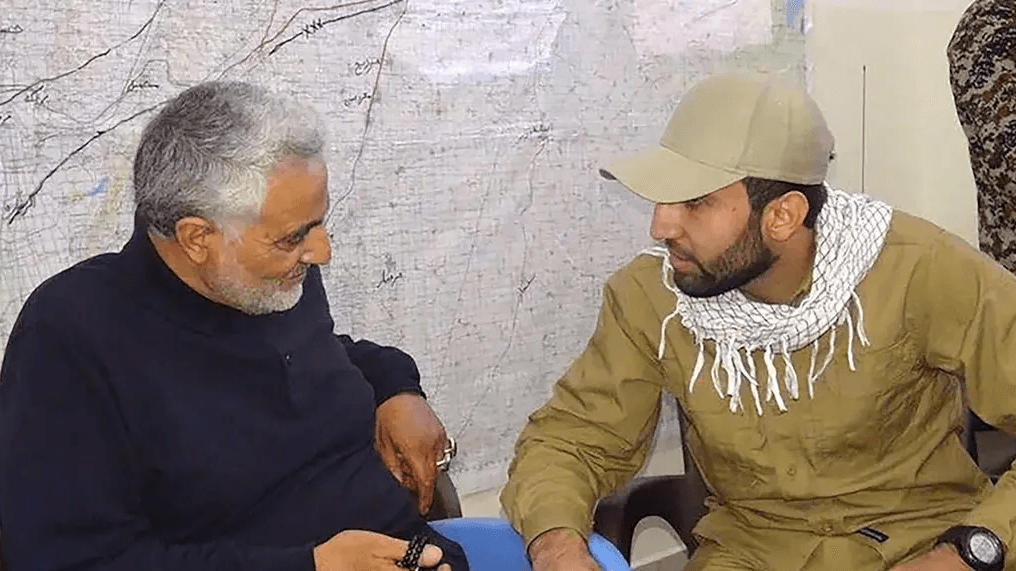
Federal prosecutors in Manhattan charged Mohammad Baqer Saad Dawood Al-Saadi, an Iraqi national and senior member of Kata’ib Hizballah, with helping plot attacks on Jewish and U.S. targets in the United States, including a synagogue in New York City. A U.S. magistrate judge ordered him detained pending trial after his arrest on May 15, 2026.
The case pulls one of Iraq’s most powerful Iran-aligned militias into a domestic terrorism prosecution on U.S. soil. Prosecutors said the alleged conspiracy began on or about February 28, 2026, and included efforts to target U.S. and Israeli interests. The complaint says the plot involved material support for terrorism charges, including weapons, explosives, lodging, personnel, training, facilities, and transportation, along with alleged planning and urging of attacks.
Justice Department officials described Al-Saadi as a commander for Kata’ib Hizballah, which the United States designated as a foreign terrorist organization on June 24, 2009. U.S. officials have long said the group received training, funding, weapons, intelligence, and other support from Iran’s Islamic Revolutionary Guard Corps-Quds Force, tying it to Tehran’s wider proxy network across Iraq, Syria, and beyond.
Kata’ib Hizballah emerged in the aftermath of the 2003 U.S.-led invasion of Iraq and rose through the Iraq insurgency as a group known for attacks on U.S. and coalition forces. Its reach became a central part of the escalation between Washington and Tehran in Iraq after the December 27, 2019 rocket attack on the K-1 base in Kirkuk killed a U.S. contractor. Two days later, U.S. strikes hit Kata’ib Hizballah targets on December 29, 2019.
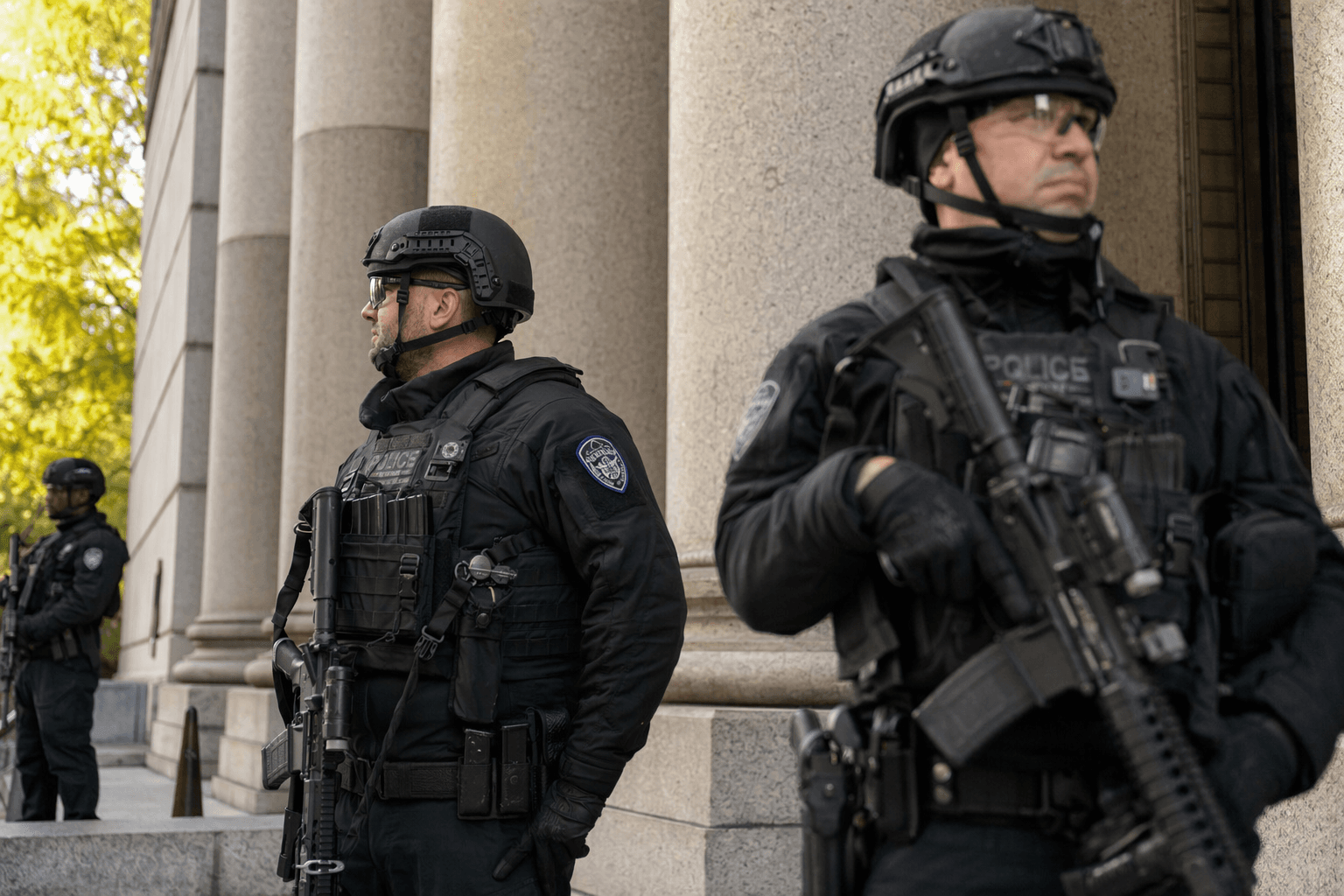
The new case lands amid heightened concern over antisemitic threats and attacks on Jewish institutions, and it highlights how officials view overseas proxy networks as capable of feeding domestic threat streams. In the complaint, prosecutors said the alleged scheme touched not only U.S. targets but also Israeli interests, underscoring how a militia rooted in Iraq can project threat far beyond the Middle East and into American neighborhoods, synagogues, and public places.
This article was produced by Prism’s automated news system from verified source data, official records, and press releases, then run through automated quality and moderation checks before publishing. The system is built and supervised by the people who set the standards it runs under. Read our full AI policy.
Did this article answer your question?