Fassbender warns trust is harder online as The Agency returns
Michael Fassbender says online trust is breaking down, as The Agency returns Sunday and warnings about AI scams and deepfakes intensify.
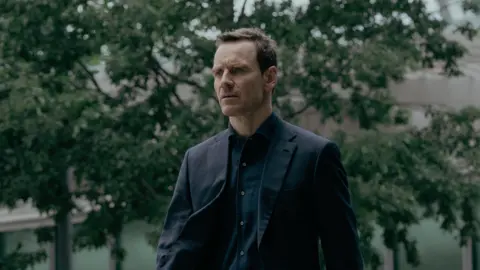
Michael Fassbender says it is getting harder to know what to trust online, a warning that lands as The Agency returns for a second season on Paramount+ on Sunday, June 21, 2026. Fassbender also said he has been caught out by misinformation online, and that Alicia Vikander, his wife and an Oscar-winning actress, spotted the problem before he did.
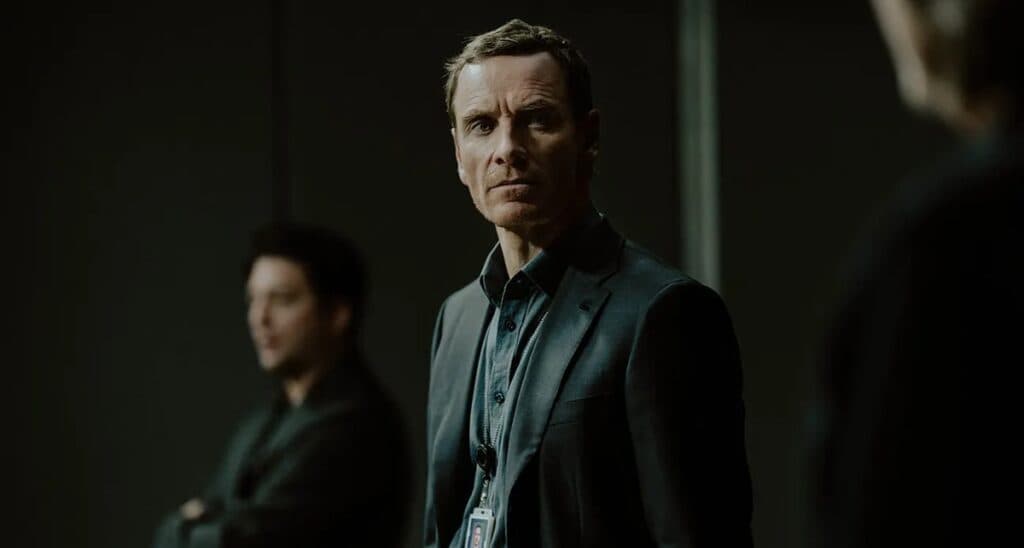
The comments give extra weight to a series already built around espionage, AI and the personal cost of living a double life. The show, previously titled The Agency: Central Intelligence, stars Fassbender as CIA officer Martian and also features Jeffrey Wright, Jodie Turner-Smith, Richard Gere and Katherine Waterston. Paramount+ said the first season drew 5.1 million cross-platform viewers globally in its first weekend, a strong launch that helped set up the return.

Fassbender’s remarks resonate because the line between fiction and reality has become harder to draw far beyond television. Pew Research Center found that 51% of U.S. adults are more concerned than excited about AI, reflecting unease not just about what the technology can do, but about what it can obscure. Deepfakes, synthetic audio and convincingly altered images have made it easier to confuse deception with evidence, and harder for ordinary users to tell whether a post, clip or voice message is authentic.
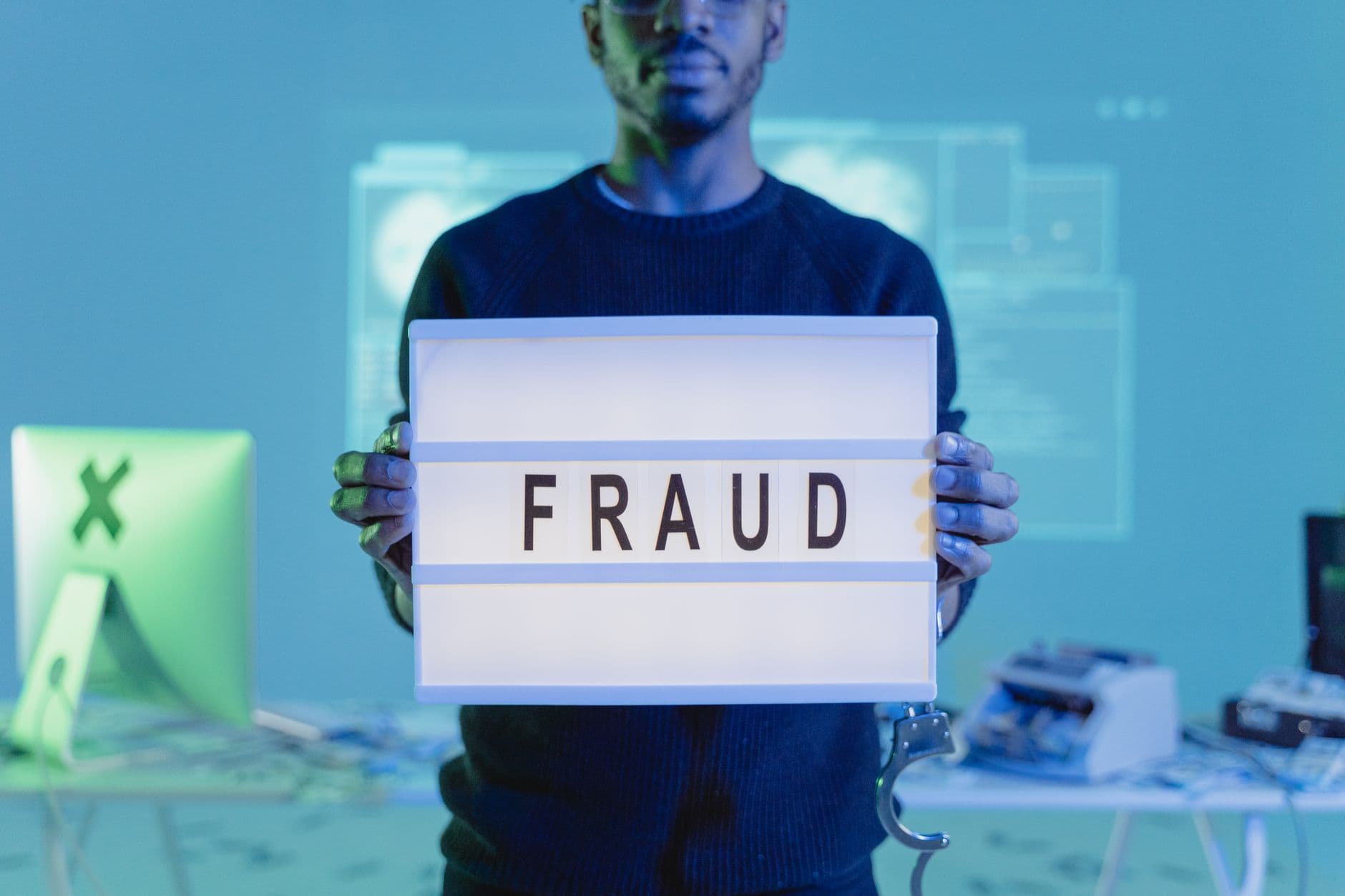
The Federal Bureau of Investigation has warned that criminals are increasingly using AI-generated deepfakes, text messages and voice messages to impersonate officials and scam people. Its Internet Crime Complaint Center says it has received more than 4.2 million fraud reports since 2020, with losses reaching $50.5 billion, a scale that shows how quickly digital impersonation has moved from nuisance to major criminal threat. In that environment, the basic habits of verification matter more than ever: check whether a claim appears on the original account or site, look for corroboration from more than one credible source, compare suspicious images or audio with known originals, and treat urgent requests for money, passwords or personal information as warning signs.
The broader media environment is also adding pressure. The Reuters Institute for the Study of Journalism said in its 2026 Digital News Report that trust in news has fallen to a record low, underscoring how the online crisis is now bigger than one genre, one platform or one celebrity interview. As The Agency returns, Fassbender’s warning about doubt online reflects a wider reality: in an era of AI-generated content and impersonation scams, verification has become part of everyday civic life.
This article was produced by Prism’s automated news system from verified source data, official records, and press releases, then run through automated quality and moderation checks before publishing. The system is built and supervised by the people who set the standards it runs under. Read our full AI policy.
Did this article answer your question?