Fast Retailing lifts profit forecast on strong global Uniqlo sales
Fast Retailing raised its profit outlook after a 45.7% jump in quarterly operating profit, even as yen weakness and Europe’s heatwaves threatened apparel margins.
Fast Retailing raised its full-year operating profit forecast to 730 billion yen, about $4.50 billion, after another sharp gain in Uniqlo sales across Japan, North America and Europe. The Tokyo-based company also lifted its revenue target to 3.97 trillion yen and its net profit forecast to 500 billion yen, underscoring how global demand for its basic clothing line has held up despite uneven retail conditions.
The latest update came after operating profit for the three months through May 31 rose 45.7% to 213.79 billion yen, beating market expectations and marking the third straight quarter in which Fast Retailing upgraded its outlook. For the nine months through May, revenue reached 3.0651 trillion yen, business profit totaled 592.7 billion yen and profit attributable to owners of the parent came to 426.0 billion yen.

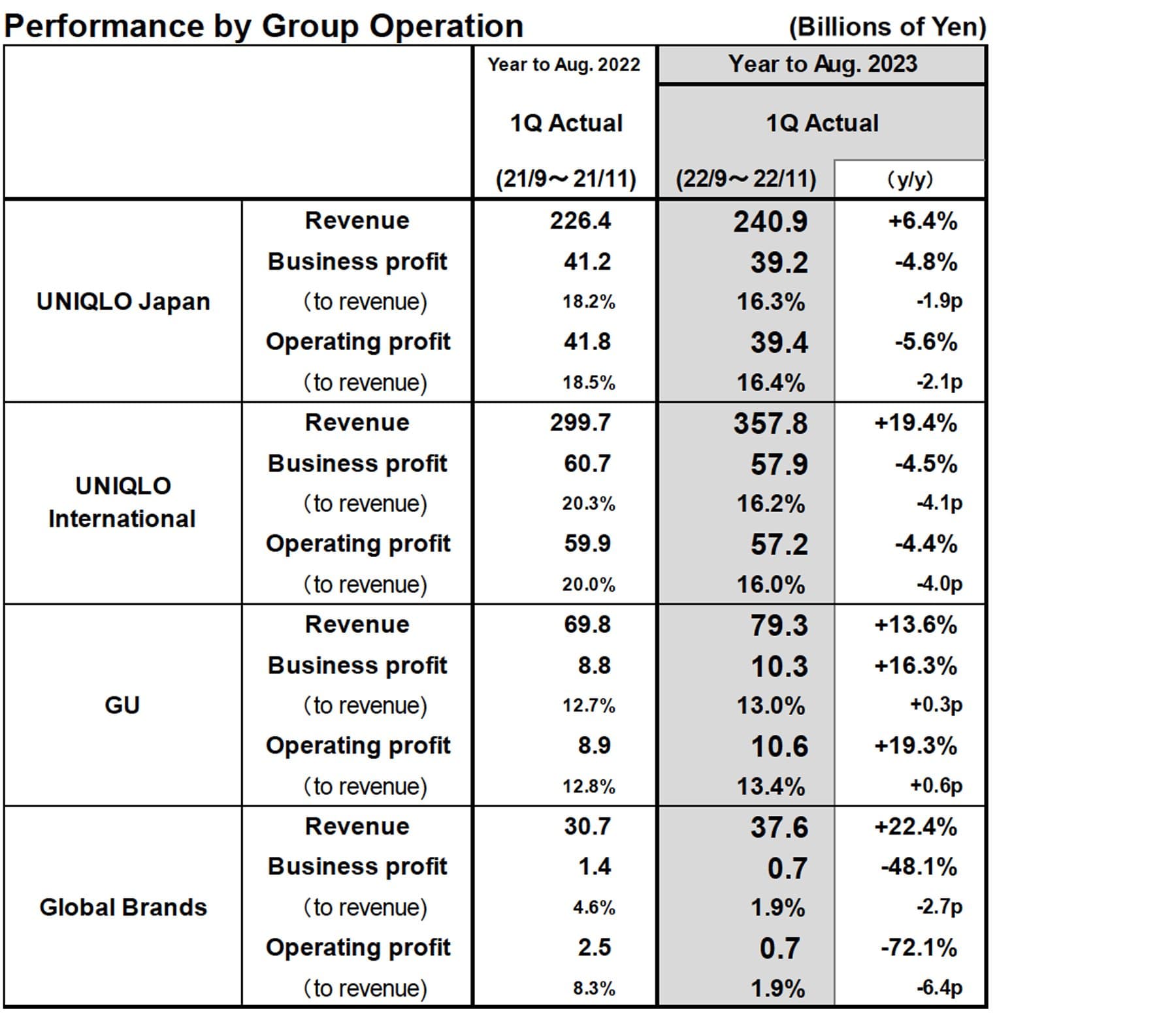
Uniqlo Japan same-store sales climbed 9.9% in the quarter, helped by strong bottoms and functional items suited to shifting temperatures. Uniqlo International was the bigger growth engine: revenue rose 33.8% to 592.6 billion yen and business profit jumped 65.2% to 112.3 billion yen, with especially strong performance in South Korea, Southeast Asia, India, Australia, North America and Europe.
For U.S. shoppers, the numbers point to a more competitive value-fashion market. Fast Retailing said its American business gained from new stores in New York, Chicago and Boston, while recent openings in France, the U.K. and the Netherlands extended its push deeper into Western markets. The company now has more than 2,500 Uniqlo locations worldwide, a scale that allows it to spread inventory risk and chase demand wherever it appears.
But the same global reach also exposes the company to currency swings and weather shocks. Chief financial officer Takeshi Okazaki said stronger growth momentum continues, yet yen depreciation may force price increases for some products in Japan as import costs rise. He also pointed to heatwaves in Europe, which forced some stores to suspend operations and hurt consumer sentiment, a reminder that extreme weather is now a direct variable in apparel traffic, seasonal merchandising and pricing.
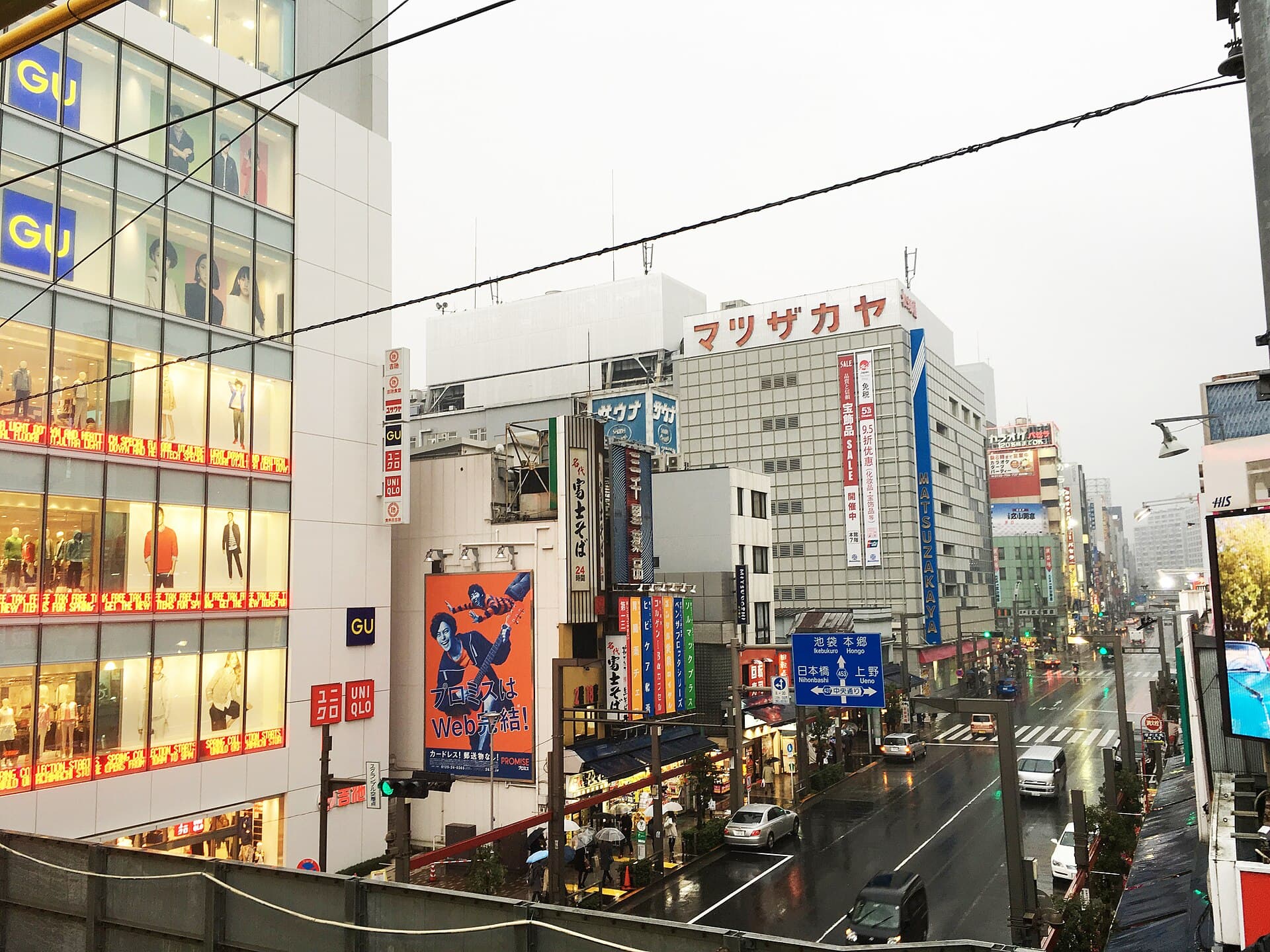
Fast Retailing started with a single store in Hiroshima in 1984 and has become one of the clearest gauges of consumer spending in Japan and mainland China. It has said it aims to generate 1 trillion yen in annual Uniqlo revenue in North America and another 1 trillion yen in Europe within about five years, a target that depends on whether value-conscious shoppers keep spending even as inflation, currency moves and climate disruptions reshape the retail landscape.
This article was produced by Prism’s automated news system from verified source data, official records, and press releases, then run through automated quality and moderation checks before publishing. The system is built and supervised by the people who set the standards it runs under. Read our full AI policy.
Did this article answer your question?