India cuts import duties on key electronics parts to boost manufacturing
India scrapped duties on key phone and battery parts, cutting costs until 2029 while testing whether savings spur more local manufacturing.
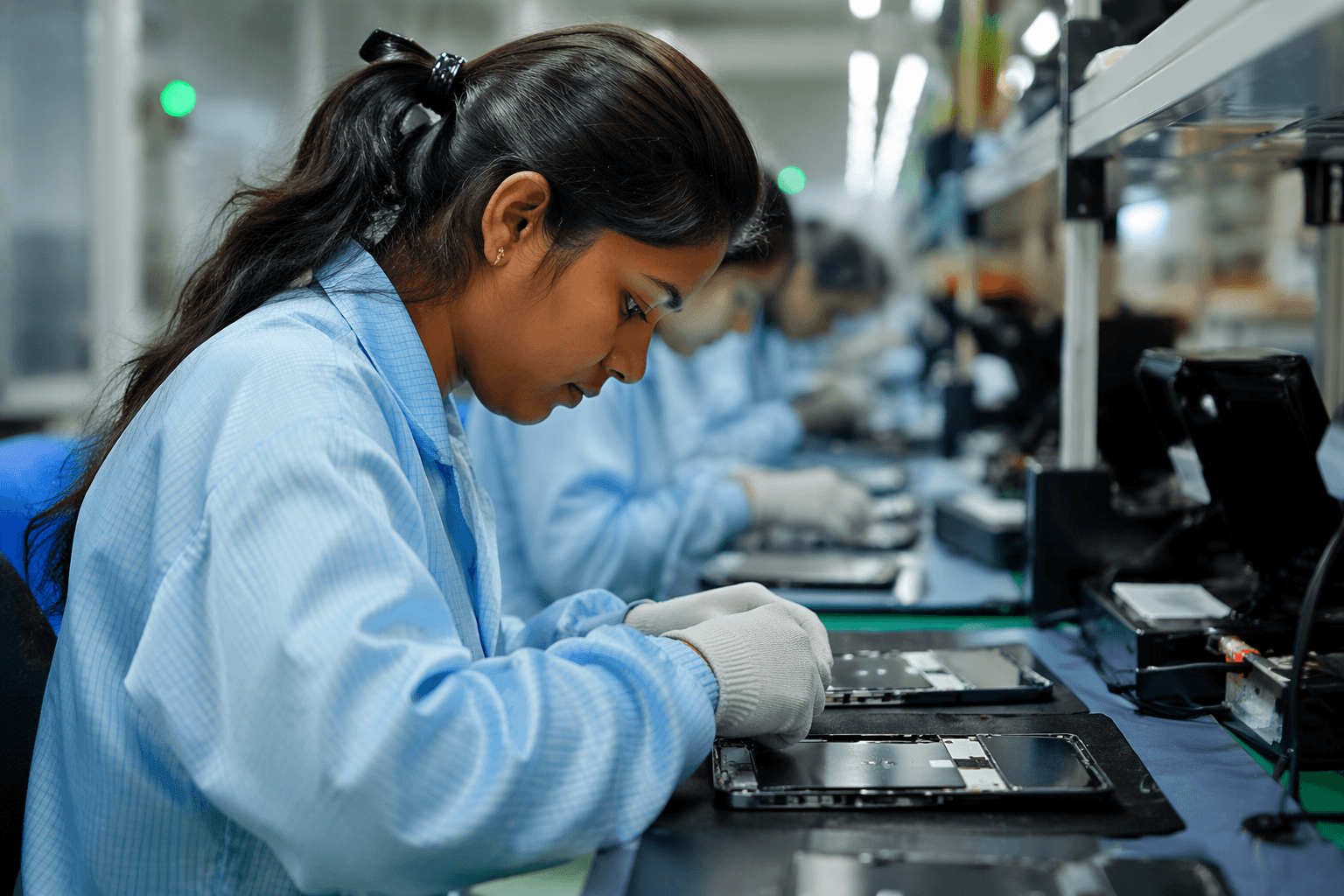
India removed import duties on a set of electronics parts on Wednesday, stripping away levies that had ranged from 5% to 7.5% and keeping the exemption in force until March 31, 2029. The cut reaches beyond smartphone assembly, covering inputs for wireless charging modules, display assemblies, lithium-ion cells and machinery used to make those cells, with spillovers into medical devices, automobiles and industrial electronics.
The immediate effect is to reduce the cost of building devices in India for manufacturers such as Apple and Xiaomi, while giving them a multi-year window to localize more of their supply chains. Manoj Mishra of Grant Thornton Bharat said the move should boost “cost competitiveness, domestic value addition and localisation of high-value smartphone and electronics manufacturing.”
That matters because New Delhi has set an aggressive target of building a $500 billion domestic electronics manufacturing ecosystem by 2030-31. India already ranks as the world’s second-largest mobile phone manufacturer, and the scale-up has been sharp: industry sources cited in Reuters-linked reporting said smartphone production in India rose 28-fold over the past decade to 5.45 trillion rupees in 2024-25. The broader electronics sector produced about 11.3 lakh crore in 2024-25, while exports reached roughly 3.3 trillion.
The policy also comes after a strong export run that has turned India into a larger node in global device supply chains. Apple exported more than 4.43 lakh crore worth of iPhones from India by December 2025, underlining how heavily large brands already rely on Indian plants and vendors. Lower duties on imported parts could tighten those supply chains further, but the bigger question is whether the savings will translate into more local production of higher-value components rather than simply fatter margins for global brands.

Electronics and IT secretary S. Krishnan said the exemption should “deepen the domestic manufacturing ecosystem’s value chain.” The expanded relief also extends to parts used in display assemblies for automotive, medical and industrial equipment, plus battery-related machinery, with possible benefits for electric vehicles, energy storage systems and defense applications such as drones, robots and unmanned systems. If the lower duties pull more investment into cells, displays and upstream parts, India’s manufacturing base could move closer to the industrial depth it has been trying to build.
This article was produced by Prism’s automated news system from verified source data, official records, and press releases, then run through automated quality and moderation checks before publishing. The system is built and supervised by the people who set the standards it runs under. Read our full AI policy.
Did this article answer your question?