FBI addressed suspicious network activity that may have hit wiretap systems
fbi said it identified and addressed suspicious activity on its networks; CNN reported the intrusion may have affected systems that manage court-ordered wiretaps and FISA surveillance.

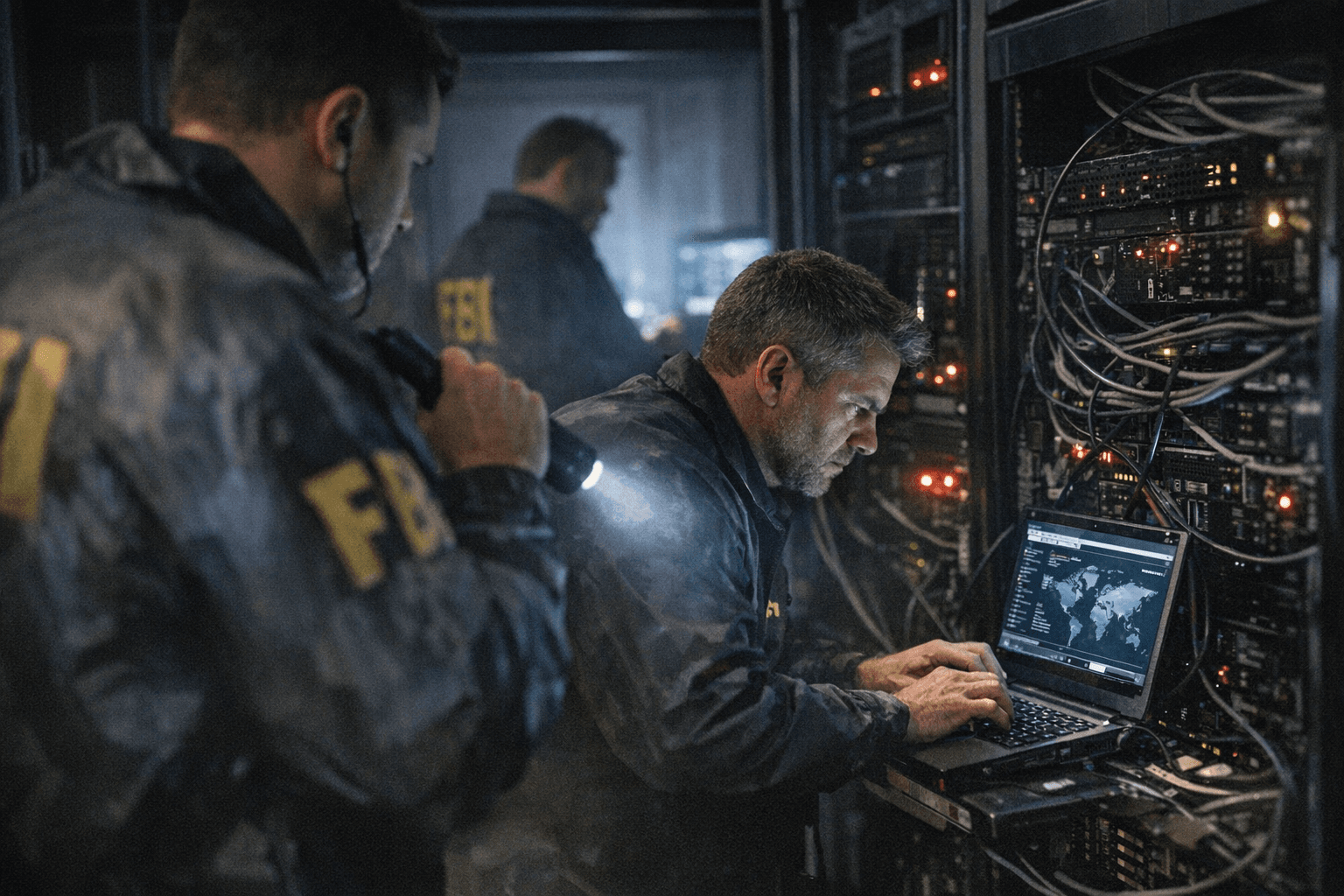
The FBI said it “identified and addressed suspicious activities on FBI networks, and we have leveraged all technical capabilities to respond,” after media reporting suggested the incident may have touched systems used to manage wiretapping and foreign intelligence surveillance warrants. CNN, cited by several outlets, described the affected infrastructure as a sensitive network used to manage wiretaps and intelligence surveillance warrants; Nextgov/FCW said it could not independently confirm that linkage.
Officials at the bureau declined to elaborate on which systems were secured, and the FBI did not publicly attribute the activity to any specific threat actor. BleepingComputer reported it sought comment from an FBI spokesperson but “a response was not immediately available.” KRDO, citing a source familiar with the investigation via CNN, said senior officials at the FBI and Justice Department focused on civil liberties and national security had been mobilized to respond.
Media coverage paired the bureau statement with renewed attention to Salt Typhoon, a state-linked Chinese threat group tied in 2024 to sweeping intrusions of telecommunications infrastructure. TechRadar and ThreatLocker reported that Salt Typhoon previously compromised U.S. telecom networks, naming AT&T, Verizon, Lumen, Charter Communications, Consolidated Communications, Comcast, Digital Realty and Windstream, and said the actor had penetrated networks in “dozens” of other countries. Nextgov/FCW reported that that campaign was leveraged to target private communications of high profile U.S. officials, including President Donald Trump and Vice President JD Vance. None of the reporting attributes the current FBI incident to Salt Typhoon; BleepingComputer noted, “While it's unclear at the moment whether this incident is also connected, Chinese hackers part of a state-backed threat group tracked as Salt Typhoon have also compromised U.S. federal government systems used for court-authorized network wiretapping requests in 2024.”
The episode highlights a persistent vulnerability in government technology stacks. Lawful intercept systems and Section 702 FISA materials, which Nextgov/FCW described as critical because they allow targeting of overseas foreigners’ communications without a warrant, are high value to foreign intelligence services. The potential exposure of court-ordered intercept infrastructure raises civil liberties and oversight questions as much as technical ones.
This is not the FBI’s first cyber embarrassment. TechRadar and ThreatLocker recounted a November 2021 incident in which attackers spoofed the Law Enforcement Enterprise Portal to send more than 100,000 fake warning emails. ThreatLocker also noted a February 2023 investigation into malicious activity on an FBI New York Field Office computer used in child exploitation probes. Those precedents add urgency to forensic and policy reviews.
Market and policy implications are concrete. Telecom and cloud vendors that host lawful intercept capabilities face renewed scrutiny and potential compliance costs. For Congress and the Justice Department, the incident will prod hearings, independent audits and likely higher allocations for cyber incident response and for modernization of intercept and case-management systems used by law enforcement. Firms that sell endpoint detection, identity management and cloud logging should see demand rise as agencies seek to harden access to sensitive networks.
Key questions remain: which specific FBI systems were accessed, whether any intercept content or target identities were exposed, and whether investigators can tie the activity to a nation state. The bureau’s statement that it has used “all technical capabilities to respond” signals containment, but public answers on scope and attribution are still pending.
Know something we missed? Have a correction or additional information?
Submit a Tip

