FBI arrests four in Connecticut ATM jackpotting spree along I-95
Four men were arrested after ATMs at I-95 rest stops in Connecticut were allegedly forced to spit out cash, part of a jackpotting surge that topped 700 cases in 2025.

Four men were arrested in Connecticut after investigators linked them to a spree that allegedly pulled tens of thousands of dollars at a time from ATMs at rest stops along Interstate 95 from Darien to New Haven. The case puts a local corridor of gas, coffee and overnight traffic in the middle of a national financial-crime problem: crews are using jackpotting to turn unattended machines into cash dispensers.
The FBI says it has observed 1,900 ATM jackpotting incidents reported since 2020, with more than 700 of them and more than $20 million in losses occurring in 2025 alone. The tactic typically involves installing malware directly into ATM software or otherwise compromising the machine so it pays out cash without a legitimate transaction. Federal investigators have described crews traveling to targeted machines, forcing cash payouts and moving quickly before bank staff or security teams can intervene.
The losses can be severe even when the machine survives the attack. In one Justice Department case in Nebraska, victim financial institutions lost more than $100,000 per jackpotting attempt, and the overall losses topped $6 million. Federal prosecutors later said 87 people had been charged in a nationwide ATM jackpotting conspiracy as of January 26, 2026, a figure that rose to 93 charged defendants in the expanded Nebraska case. In a related federal matter, prosecutors alleged that some defendants were members of Tren de Aragua, the Venezuelan transnational criminal organization.
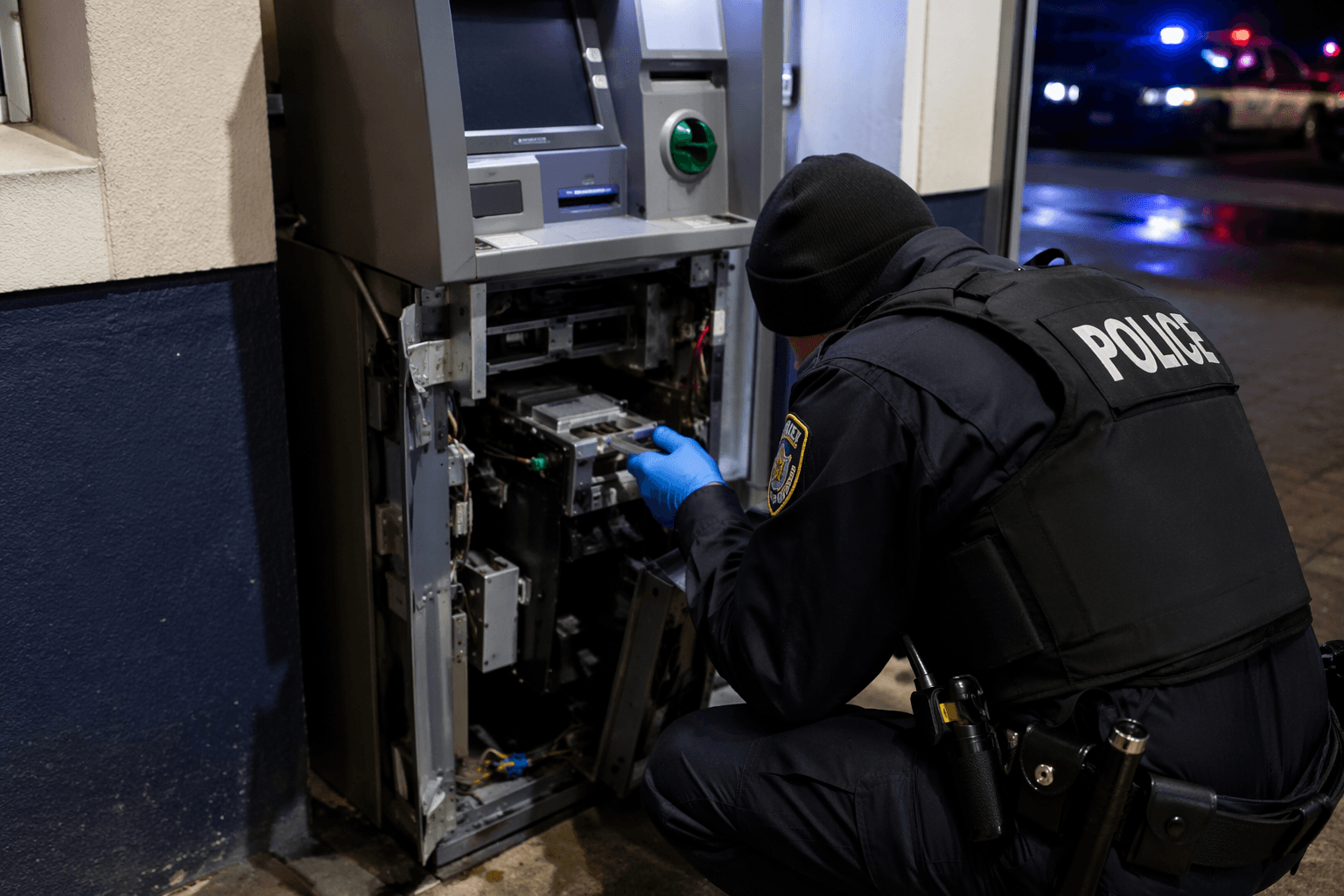
The Connecticut arrests add to a pattern that stretches far beyond one state line or one rest stop. The FBI New Haven Field Office, which first opened in the spring of 1940, is now confronting a crime wave that mixes old-fashioned theft with software exploitation, and the targets are often the same machines travelers rely on for cash along major highways. Along routes such as I-95, the vulnerability is not only the ATM hardware but the isolation of the location, where a crew can move in, trigger a payout and disappear before the machine is even flagged.
The broader threat is forcing banks, operators and law enforcement to harden roadside ATMs with stronger software controls, tighter physical security and faster monitoring. For travelers, the risk is a reminder that a cash machine at a rest stop can be part of a much larger criminal network, one that is now producing multimillion-dollar losses across state lines.
This article was produced by Prism’s automated news system from verified source data, official records, and press releases, then run through automated quality and moderation checks before publishing. The system is built and supervised by the people who set the standards it runs under. Read our full AI policy.
Did this article answer your question?