FBI builds fake Alabama town to train agents for cyberattacks
Inside a 22,000-square-foot fake town in Huntsville, FBI trainees practiced ransomware, warrant service and evidence seizures before touching real hospitals and utilities.
The FBI built a fake Alabama town where trainees can walk past a hotel, a hospital and a power company without leaving Redstone Arsenal. The 22,000-square-foot Kinetic Cyber Range was designed to rehearse what happens when cyberattacks spill into the physical world, from ransomware at a hospital to evidence seizures at a business or vehicle.
Opened in February 2025 on the FBI’s North Campus in Huntsville, Alabama, the indoor range had trained more than 1,400 students by June 2026, including FBI personnel and partners from other agencies. The facility is run by the FBI Operational Technology Division and was built to look and function like a real community, with houses, hotel rooms, a gas station, a vehicle bay and a data center.
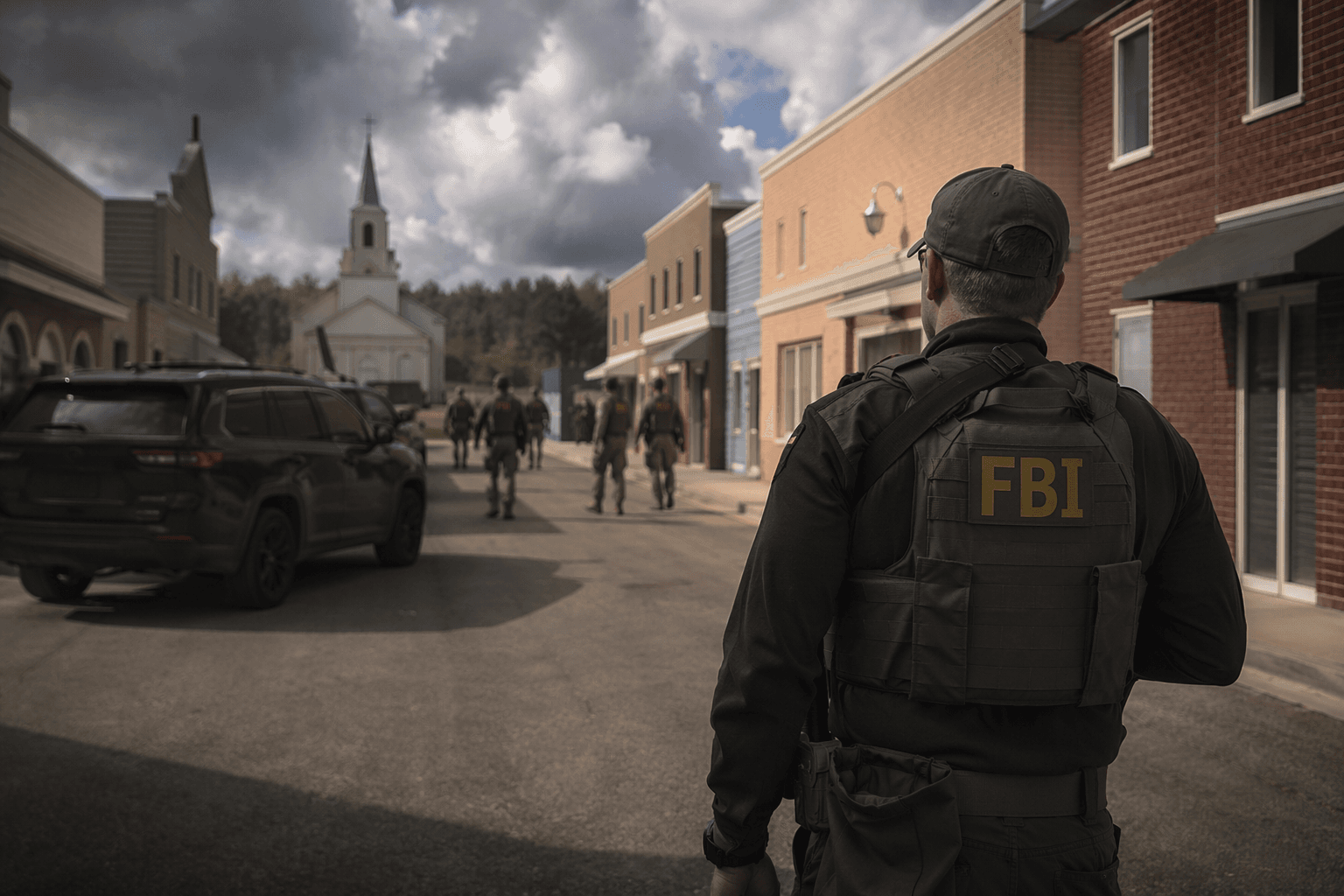
Inside, the systems are live enough to mirror the kind of work agents face in actual cases. The range includes Active Directory, email and firewalls, along with a data center containing more than 200 servers running Windows and Linux. Trainees work through scenarios that force them to think like investigators and responders at the same time, deciding what connected devices to seize in a home, how to serve search warrants at a business and how to extract data from a vehicle’s electronic control unit.
That realism is the point. FBI manager Dave Beachboard said, "This is about as real as it’s going to get before people go out in the field." In practice, that means preparing agents for incidents where a digital intrusion can hit a hospital network, disrupt a utility or expose evidence locked inside devices that now sit in homes, cars and commercial buildings.
The Kinetic Cyber Range also reflects a larger shift in FBI training away from classroom instruction and toward hands-on exercises built around real threats. At Redstone Arsenal, the bureau has been expanding its Huntsville footprint with multiple construction projects, including the Innovation Center and the cyber range, as part of what officials have described as a realistic yet safe mock environment for training. The FBI said previously appropriated funding allowed those projects to keep moving even after the FY 2024 budget agreement did not provide new construction funding for FBI national security and law enforcement mission functions in Huntsville.
The result is a training site built for an era when sabotage can begin with code and end with a blackout, a hospital outage or a compromised vehicle. For the FBI, the fake town in Huntsville is less a curiosity than a warning about how much of the nation’s critical infrastructure now lives on networks that must be defended as carefully as any physical building.
This article was produced by Prism’s automated news system from verified source data, official records, and press releases, then run through automated quality and moderation checks before publishing. The system is built and supervised by the people who set the standards it runs under. Read our full AI policy.
Did this article answer your question?