FBI fires at least a dozen agents tied to Mar-a-Lago documents probe
The FBI dismissed at least a dozen current and former employees involved in the Mar-a-Lago classified‑documents investigation, a move that raises questions about oversight and case continuity.
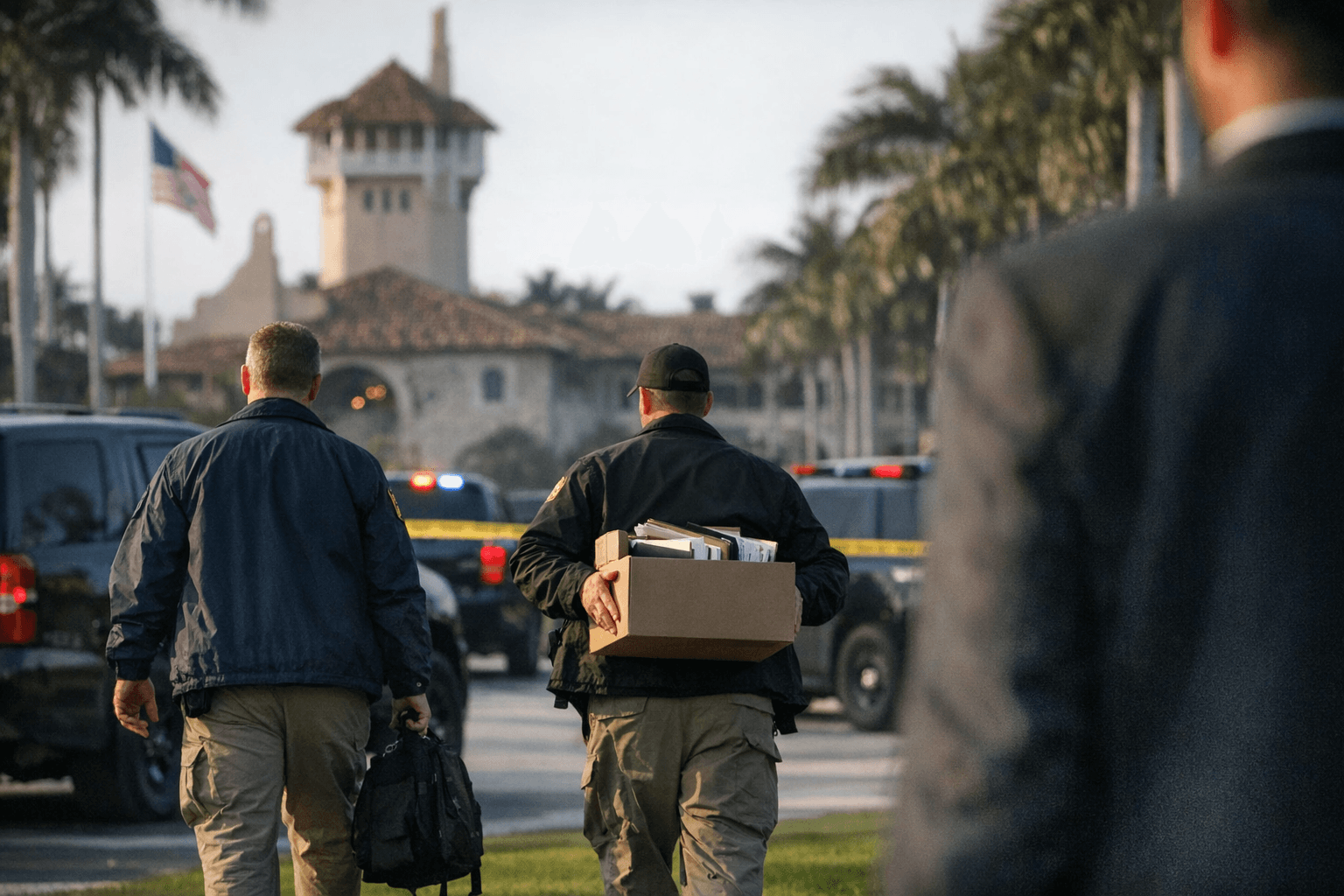
The FBI fired at least a dozen current and former employees who worked on the investigation into classified documents seized at Mar-a-Lago, sources familiar with the action said, removing personnel tied to one of the bureau's most politically sensitive national security inquiries. The dismissals occurred on Feb. 25, 2026, according to those sources.
The personnel actions affect agents and support staff who handled aspects of the probe into presidential records recovered from former president Donald Trump’s Mar-a-Lago residence. The investigation, which drew intense public scrutiny and became a focal point in political debates over law enforcement and executive privilege, involved both criminal and classified‑information work that required sustained institutional expertise and security clearances.
Officials have not disclosed whether the firings were related to misconduct, procedural failures, or internal policy violations. The use of dismissals rather than reassignment or administrative leave is unusual in large, complex national security cases where continuity of expertise and clearance status matters for ongoing work. Removing experienced personnel can complicate parallel inquiries, related security reviews, and the handling of classified material that remains under protective control.
The action highlights tensions inside a federal law enforcement agency that must balance independent criminal investigation, national security safeguards, and intense political scrutiny. The senior leadership changes and dismissals come against a backdrop of repeated congressional oversight and legal challenges tied to the Mar-a-Lago matter; the probe's public profile has made the careers of those involved a subject of partisan debate. For the bureau, the personnel purge risks eroding internal morale and the institutional knowledge required to manage classified evidence and safeguard sources and methods.
Beyond operational concerns, the firings carry political and civic implications. The removal of agents associated with a high-profile investigation feeds narratives about politicization of law enforcement and could influence voter perceptions of institutional impartiality in an election environment. Public confidence in federal investigative agencies depends in part on transparent, consistent disciplinary standards and clear explanations for major personnel decisions in sensitive cases.
The Department of Justice inspector general and congressional oversight committees have previously examined the bureau's handling of politically charged investigations. Those oversight mechanisms are likely to face renewed calls for documentation explaining the firings, the criteria used, and any impact on ongoing or related matters. Transparency about internal reviews, evidence preservation, and case management will be central to restoring public trust and ensuring accountability.
For practitioners and the public, the immediate consequences are concrete: teams working on classified‑documents issues will need rapid reorganization, and cases that rely on heavily cleared personnel could experience delays. How the FBI communicates the reasons for the dismissals, and how oversight bodies respond, will shape the agency's capacity to manage national security investigations while maintaining congressional and public confidence.
This article was produced by Prism’s automated news system from verified source data, official records, and press releases, then run through automated quality and moderation checks before publishing. The system is built and supervised by the people who set the standards it runs under. Read our full AI policy.
Did this article answer your question?

