FBI ramps up drone security ahead of FIFA World Cup games
The FBI has certified 45 local officers for counter-drone work and is moving toward 61 as 104 World Cup matches trigger no-drone zones and new federal restrictions.
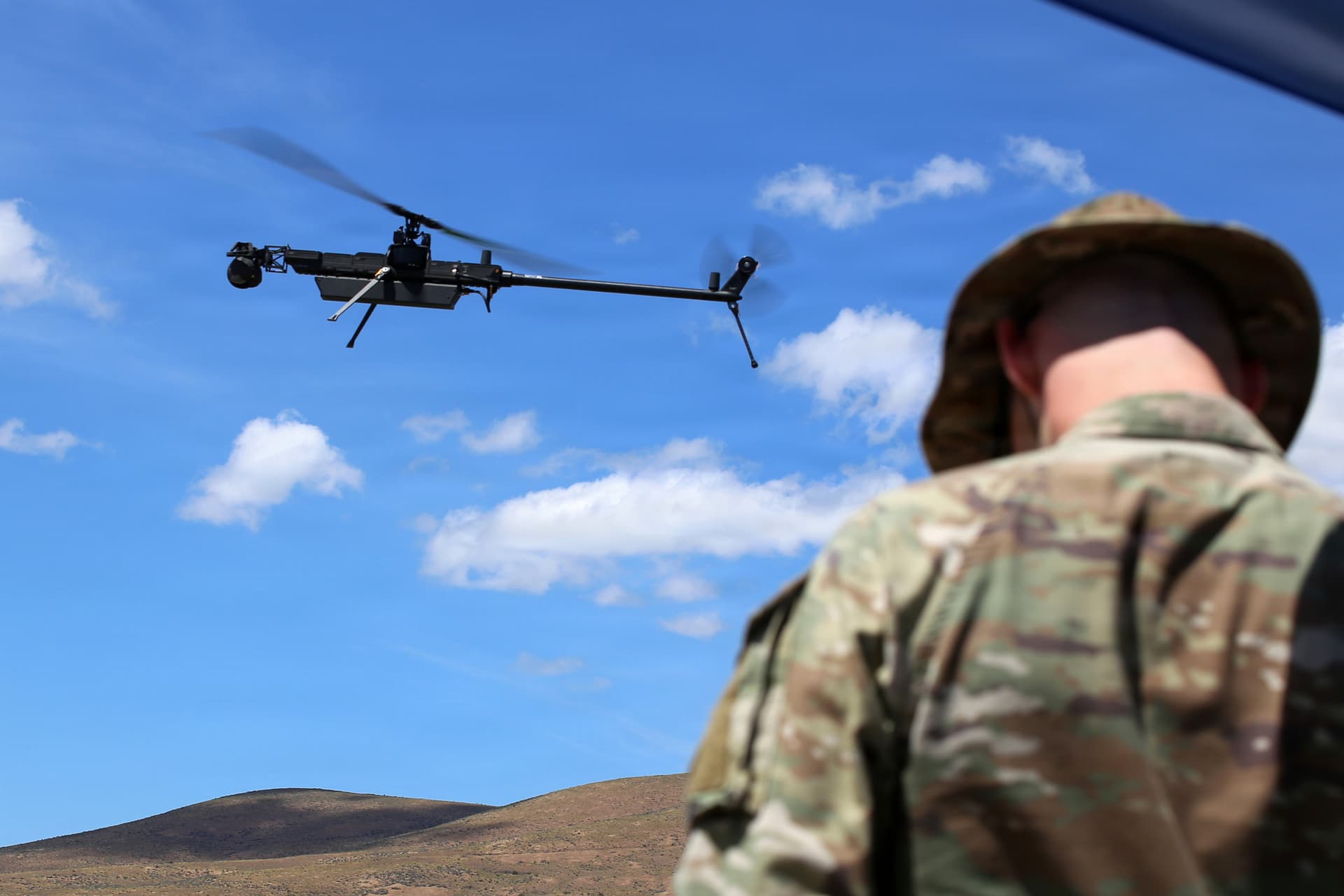
The FBI is building a layered drone-defense shield around the 2026 FIFA World Cup, where a low-cost aircraft could become a nuisance, a disruption, or something far more serious above a stadium packed with fans. With 104 matches spread across 16 host cities in the United States, Mexico and Canada, federal officials are treating the tournament as a security test on a scale the country has never seen.
The bureau says more than 60 local, county and state law enforcement agencies in host areas completed a federal training program aimed at detecting, tracking and mitigating drones. At the center of that effort is the National Counter-UAS Training Center in Huntsville, Alabama, where FBI Special Agent in Charge Doug Olson told the Senate that 45 state, local, tribal and territorial officers had been certified as of April 2026. A class still in progress was expected to lift that total to 61 before the tournament opens.

The FBI is also leaning on its wider network. All 56 field offices and 63 law enforcement attaché offices worldwide are on standby to support World Cup security over the 39-day event, which begins June 11 and runs through July 19. That global posture reflects how broad the threat picture has become, with risk extending beyond stadium gates to hotels, practice facilities, fan festivals and other public gatherings tied to the matches.

Airspace controls are tightening alongside the training effort. The Federal Aviation Administration, working with the Department of Homeland Security and the Department of Justice, will establish temporary flight restrictions and no-drone zones over selected stadiums, fan events and base camps. FBI field offices in Philadelphia and Dallas have already warned drone operators to stay away from restricted World Cup airspace.
Money is following the mission. FEMA awarded $250 million through its Counter-UAS grant program to the 11 U.S. states hosting World Cup matches and the National Capital Region, aiming to help agencies detect, identify, track or mitigate drones. That spending underscores how seriously officials are treating the tournament, not only as a sports event but as a moving target for security planners.
The tradeoff is clear: the same tools that can keep spectators safe, detection systems, flight restrictions and coordinated surveillance, also widen the federal footprint over public space. As the World Cup turns soccer into a national spectacle, law enforcement is trying to make sure the skies above it remain under control.
This article was produced by Prism’s automated news system from verified source data, official records, and press releases, then run through automated quality and moderation checks before publishing. The system is built and supervised by the people who set the standards it runs under. Read our full AI policy.
Did this article answer your question?