FBI disrupts alleged drone plot targeting UFC America 250 event
The FBI said it disrupted an alleged drone plot against UFC Freedom 250 at the White House, where five people were in custody and investigators tracked a 23-person network.
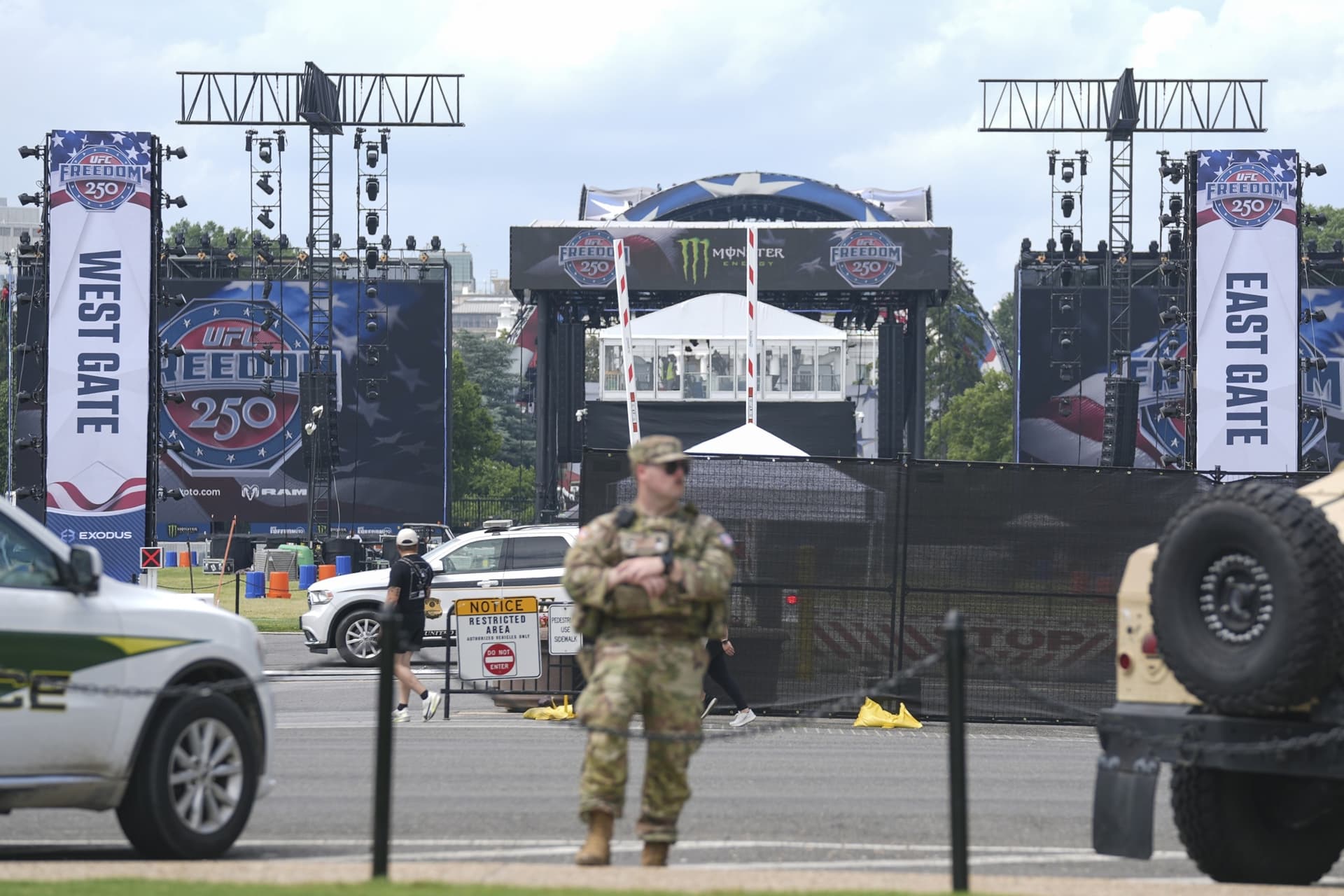
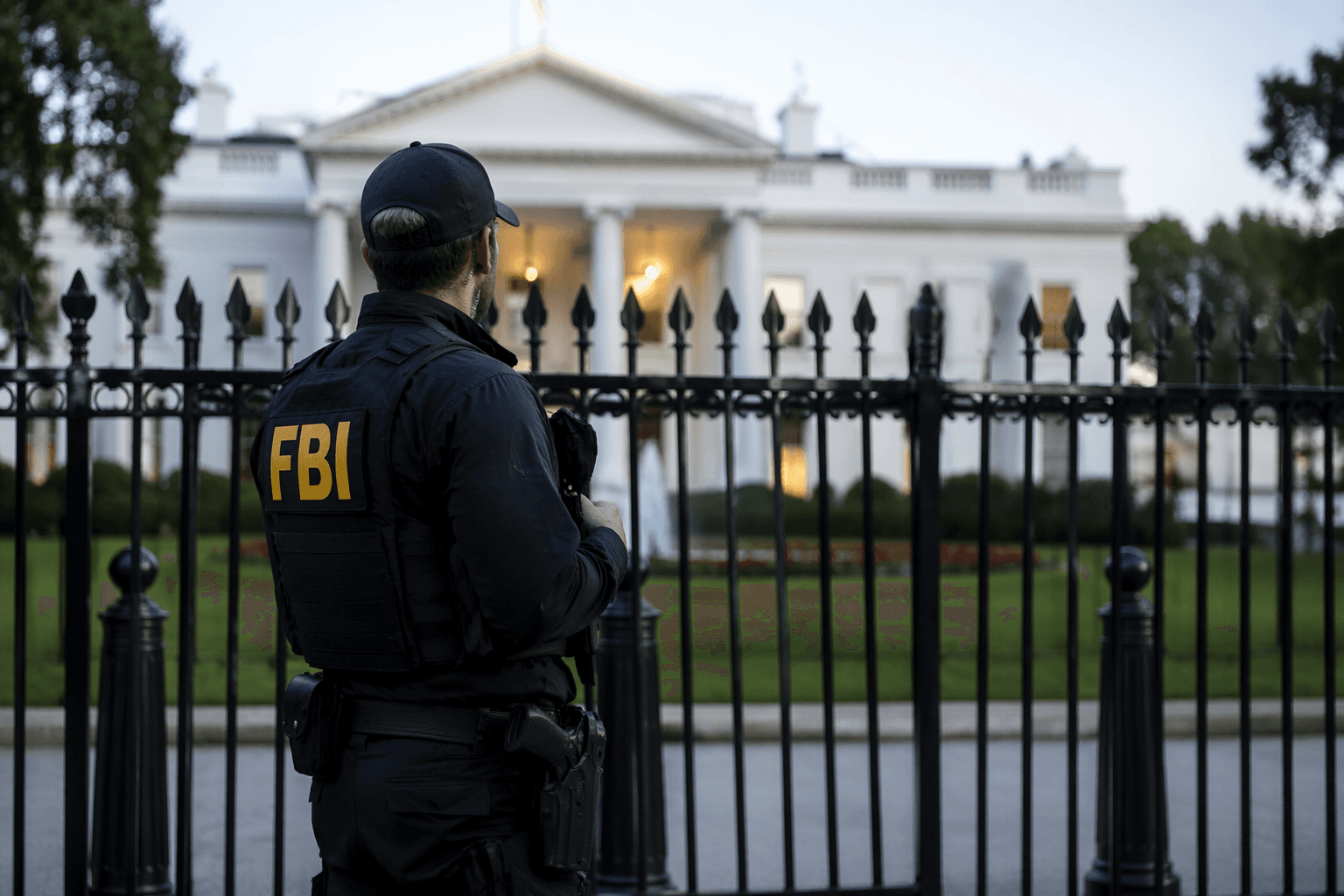
The FBI said it disrupted an alleged plot to use explosive-laden drones against UFC Freedom 250 at the White House South Lawn, a marquee event tied to America 250 and staged under some of the tightest federal security in the country. By Tuesday morning, five people were in custody, and investigators had identified a wider network of 23 people discussing pre-operational activity, raising fresh questions about how authorities police high-visibility events that mix politics, entertainment and symbolism in Washington.
FBI Director Kash Patel said the bureau became aware of a potential threat on June 10 involving individuals outside the National Capital Region. The alleged plan, as described by investigators, centered on drones loaded with explosives and aimed at buildings near the event. That put federal and local agencies on alert before the card unfolded Sunday, June 14, at 8 p.m. EDT on the White House South Lawn.
The UFC card was built around Ilia Topuria against Justin Gaethje in the main event and Alex Pereira against Ciryl Gane in the co-main event. A fan festival was also scheduled on the Ellipse on June 13 and June 14, widening the security footprint beyond the arena itself and adding another crowded public gathering to the same security zone.
The Department of Homeland Security had already designated the event SEAR 1, the highest security classification for U.S. events. It was not labeled a National Special Security Event, even though it sat at the center of the calendar for America 250, the White House’s push to mark the 250th anniversary of U.S. independence on July 4, 2026. The result was a layered security challenge: protect the president’s front yard, a live combat-sports spectacle and a public festival, all under the same national spotlight.
The scrutiny had been building for months. Law enforcement had warned in March about lone-actor threats and other security risks around the celebration, underscoring how quickly planners had to adapt to a threat environment that can move from online chatter to real-world disruption. The case shows how easily a sports event becomes a political symbol in Washington, and how fast that symbolism can draw the attention of people looking to exploit it.
This article was produced by Prism’s automated news system from verified source data, official records, and press releases, then run through automated quality and moderation checks before publishing. The system is built and supervised by the people who set the standards it runs under. Read our full AI policy.
Know something we missed? Have a correction or additional information?
Submit a Tip