FCA warns of social media ghost brokers selling fake car insurance
Cheap car cover on social media is trapping young drivers, with Aviva finding 30% had bought from illegal sellers and 89% had serious policy problems.
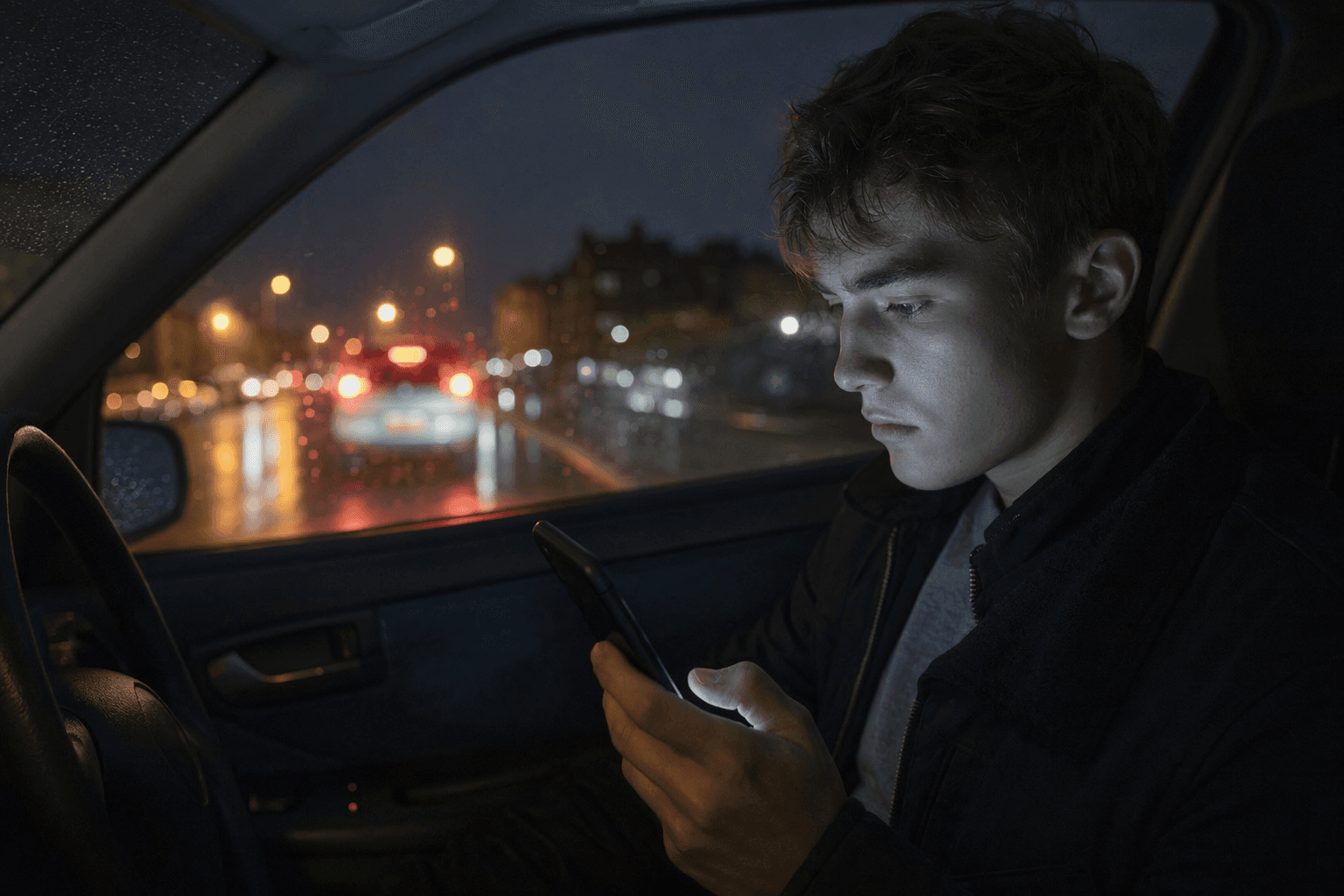
Young drivers looking for cheaper cover are being pushed into a fast-moving scam: fake car insurance sold through social media by so-called ghost brokers. The Financial Conduct Authority has warned for years that the practice leaves motorists uninsured, because policies bought through these fraudsters are not valid after an accident and may only be exposed when a claim is rejected or police stop the vehicle.
The scam is simple and effective. Fraudsters advertise bargain premiums online, take upfront payments, then alter a customer’s details to keep the price artificially low or send fake documents that make the policy look legitimate. The FCA says authorised firms are unlikely to contact consumers out of the blue, and anyone approached through a direct message or post should check the firm on the FCA Register and confirm the firm reference number before paying a penny.

The scale of online promotion has made the problem harder to police. In 2024, the FCA said 19,766 financial promotions were amended or withdrawn after intervention, while 2,240 warnings were issued about unauthorised or potentially scam firms. The watchdog has also said financial promotions on social media can cause significant consumer harm and that unauthorised people, including influencers or affiliate marketers, may commit a criminal offence if they promote regulated financial products without approval.
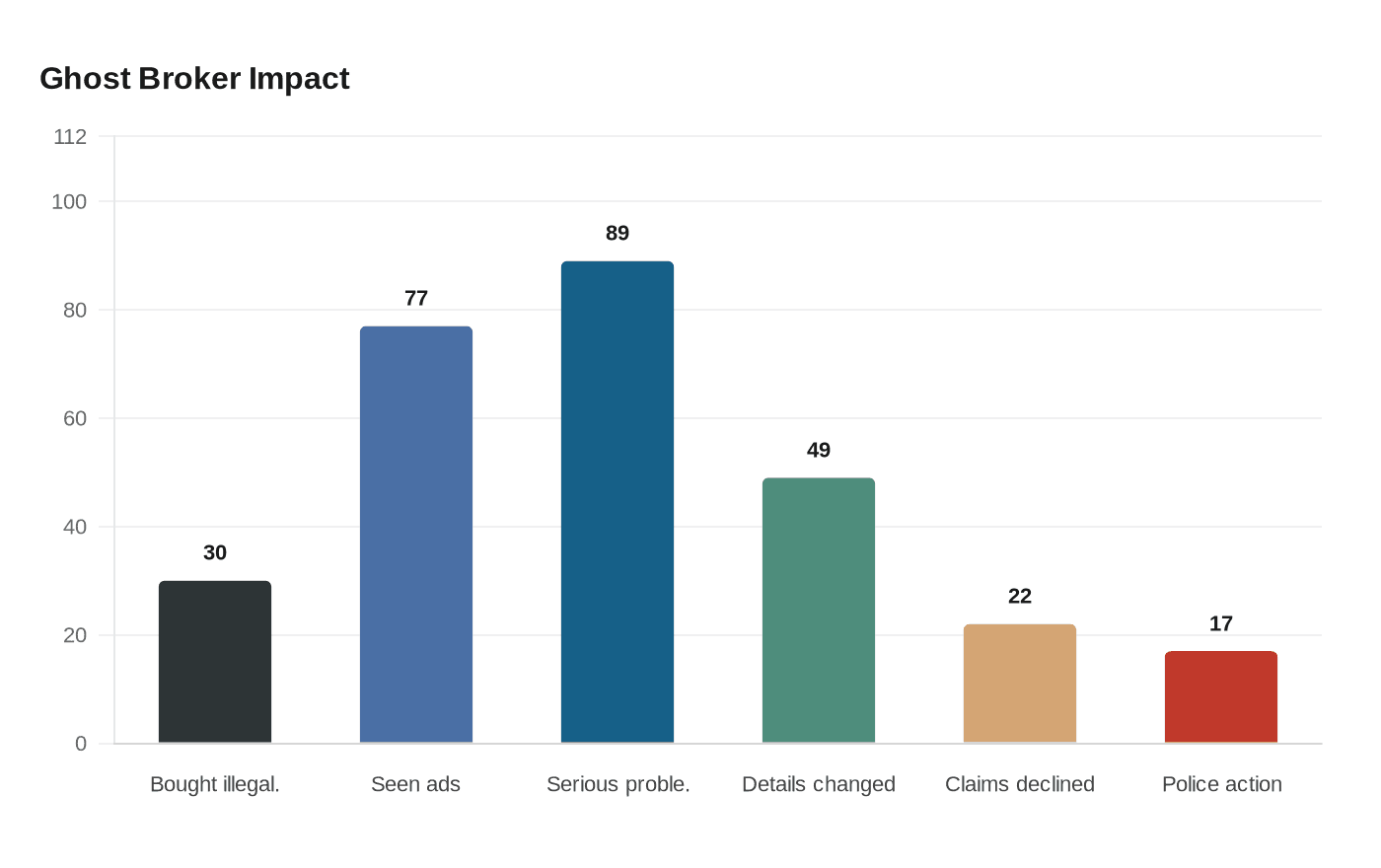
Aviva’s latest evidence shows how sharply the scam is hitting younger motorists. In a survey of 2,000 drivers aged 17 to 25, 30% said they had bought car insurance from someone operating illegally on social media, and 77% said they had seen social posts advertising cheap car insurance. Of those who bought this way, 89% reported serious problems with the policy. Aviva said 49% had details misrepresented on the policy, 22% had a claim declined, and 17% were stopped by police and had their vehicle impounded or were fined.
The insurer said it had stopped or removed nearly 17,000 policies year-to-date because of application fraud and identified nearly 7,000 cases linked to open ghost broking and application fraud investigations. Aviva later said ghost broking was up more than 4% year on year and 22% over two years, and warned that victims’ personal data could also be traded on the dark web.
The warning comes at a vulnerable point in the insurance market, when young drivers are often under the most pressure to cut costs. Ghost brokers exploit that strain with fake legitimacy and low prices, but the consequences are stark: invalid cover, rejected claims, fines, vehicle seizure and the risk of driving without insurance. The quickest check remains the same: verify the seller on the FCA Register, confirm the FRN and treat any unsolicited cheap offer as a red flag.
Know something we missed? Have a correction or additional information?
Submit a Tip