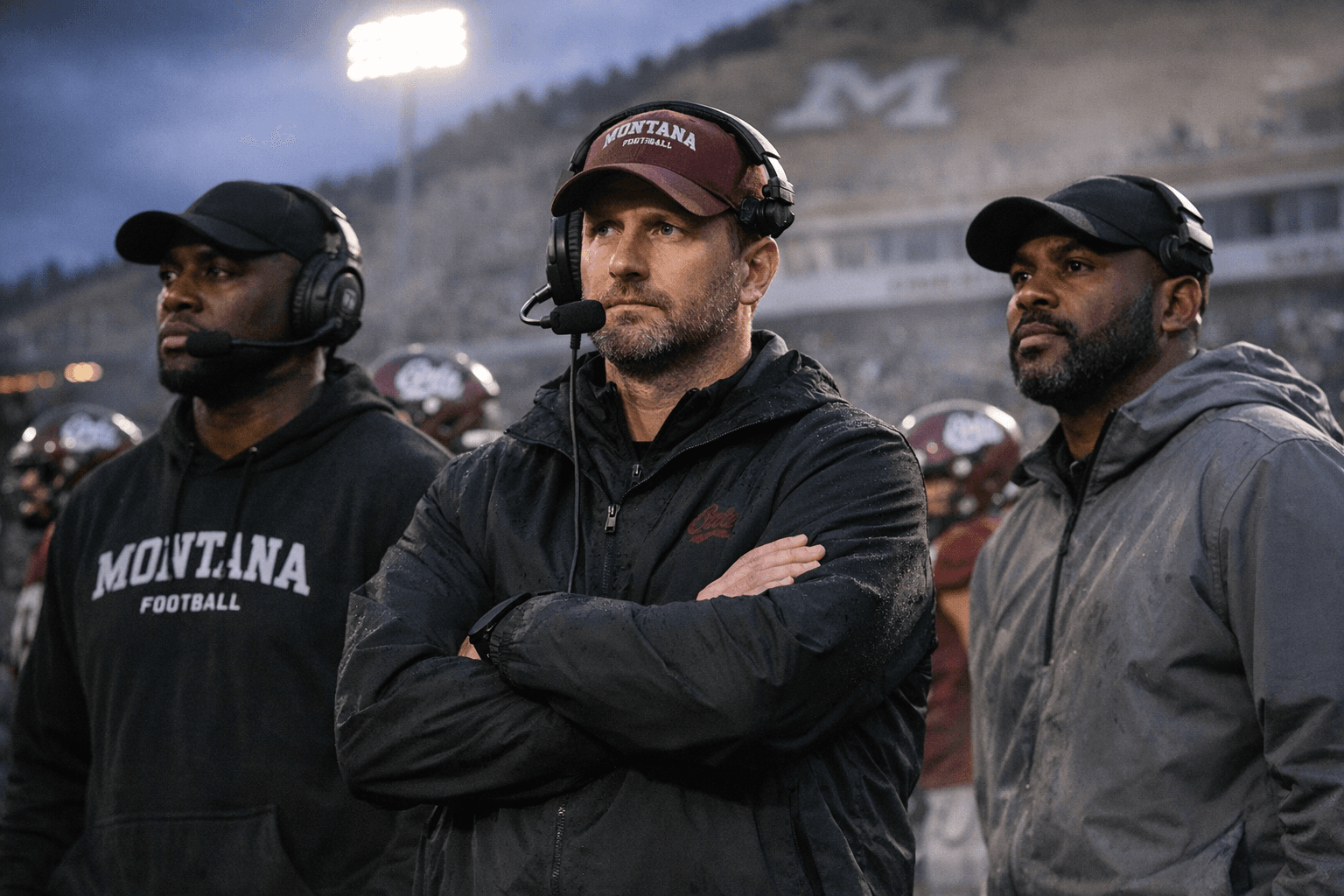
FCS Realignment Trends Reshaping Programs, Coaches and Recruiting Landscape
FCS conference realignment over the past several years has been driven primarily by schools' ambitions to move up and persistent conference instability, forcing programs, coaches and recruits to adapt.
Conference realignment in FCS football over the past several years has been propelled by two clear forces: school ambitions to move up and recurring conference instability. That dual pressure has reshaped program planning, coach movement and recruiting calendars, and the primer on these trends lays out how those shifts play out in concrete operational terms for programs, coaches and recruits.
For programs, the primer maps practical impacts such as altered scheduling windows, revised travel commitments and shifts in competitive expectation. Athletic departments that set explicit goals to "move up" faced new demands on budgets and roster construction as conference compositions changed; athletic directors adjusted schedules and roster targets to align with evolving conference strength rather than with long-standing regional rivalries. Those are not abstract changes—the primer notes that institutions recalibrated timelines and resources over the past several years to meet conference expectations and to remain attractive to recruits and coaching candidates.
Coaches experienced a ripple effect across hiring, contract strategy and career trajectories. The primer shows coaches weighing job stability versus upward mobility, with some accepting short-term risk to join programs that position themselves for moves beyond FCS. Coaching staffs saw turnover tied to realignment-driven ambition, and programs retooled contract language and buyout structures to reflect the new market realities created by conference instability and schools' elevation plans.
Recruiting patterns and prospect decision-making have adjusted in response to realignment signals. Recruits and their families increasingly factor a program's conference trajectory into campus visits and commitment timetables; the primer documents changes in recruiting calendars as programs shifted messaging to emphasize either stability within a conference or an institutional roadmap to a higher competitive tier. Those recruiting implications translate directly into on-field outcomes as rosters are built with a longer-term institutional objective in mind.
On the broader business and cultural side, the primer ties conference instability and school ambition to shifts in regional exposure and program identity. Athletic departments reexamined their conference affiliations to manage exposure, travel costs and competitive balance, and those decisions have influenced community engagement and fan expectations. As of February 16, 2026, the analysis underscores that the realignment dynamic is ongoing, with programs, coaches and recruits continuing to adapt operationally to a landscape defined by ambition to move up and by uncertain conference maps.
The primer's review of these major trends provides a practical playbook for athletic directors and coaching staffs navigating FCS realignment: evaluate institutional ambition, quantify the operational cost of conference shifts, and align recruiting strategy with long-term conference goals. Those prescriptions reflect the concrete pressures documented across programs, coaches and recruits during realignment over the past several years.
Know something we missed? Have a correction or additional information?
Submit a Tip