FDA Approves Leucovorin for Rare Genetic Brain Disorder, Not Autism
The FDA approved leucovorin for a rare genetic condition affecting folate transport to the brain, not as an autism treatment despite months of political pressure.
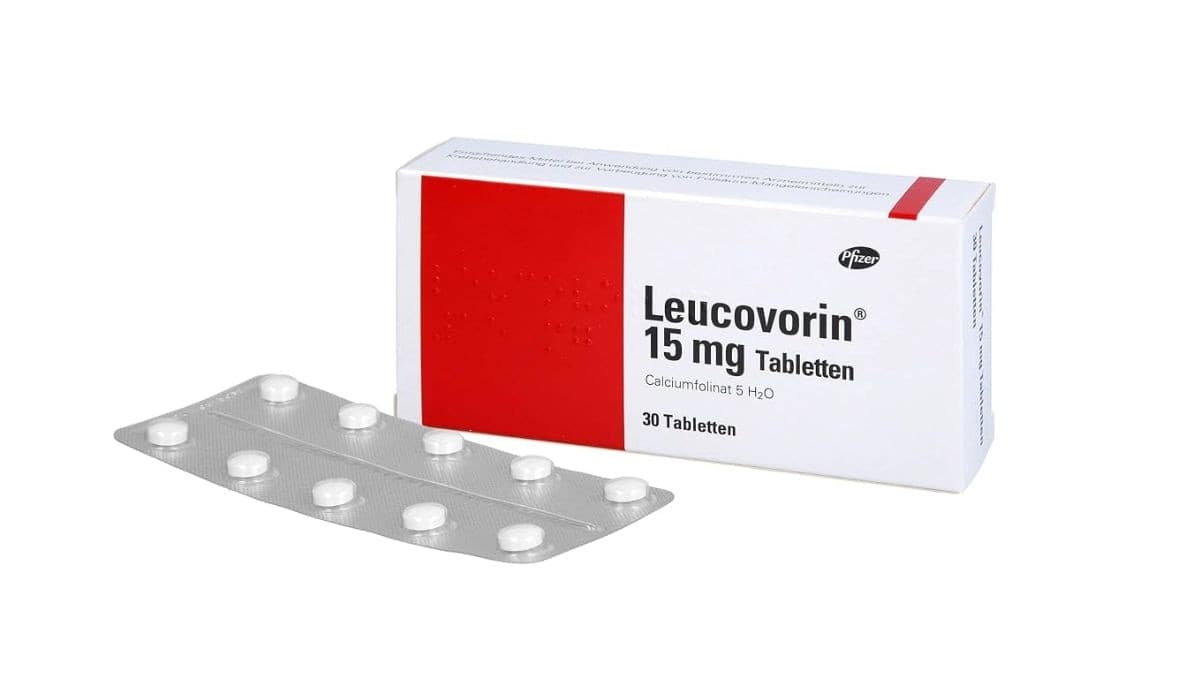
The Food and Drug Administration approved leucovorin calcium tablets on Monday as the first treatment for cerebral folate transport deficiency, a rare genetic neurological condition affecting a vanishingly small slice of the population, while making clear the drug is not an approved therapy for autism spectrum disorder.
The approval covers adults and pediatric patients with a confirmed variant in the folate receptor 1 gene, a condition known as CFD-FOLR1. The FDA identified just 46 patients with the condition who had received leucovorin in past case reports, with patients ranging from 2 months to 33 years old at the time of treatment. Among the 27 patients who received oral leucovorin exclusively, 24, or 89 percent, showed clinical improvements including reductions in seizure severity, better motor function, and gains in communication and behavior.
"Today's approval represents a significant milestone for patients living with cerebral folate transport deficiency due to the FOLR1 variant, a rare genetic condition that has had no FDA-approved treatment options until today," said FDA Commissioner Marty Makary. He added that the action "may benefit some individuals with FOLR1-related cerebral folate transport deficiency who have developmental delays with autistic features."
That careful phrasing reflects the political minefield surrounding the approval. About five months before the FDA acted, Health and Human Services Secretary Robert F. Kennedy Jr. touted leucovorin at a White House press conference as "an exciting therapy that may benefit large numbers of children who suffer from autism." Leucovorin prescriptions for children aged 5 to 17 subsequently surged 71 percent in roughly 11 weeks, according to a study published in The Lancet, despite warnings from the scientific community that the drug has no established benefit for autism broadly defined.
The approved indication covers a condition that Public Citizen estimates affects approximately one in one million people worldwide. Autism spectrum disorder, by contrast, affected one in 31 eight-year-olds in the United States as of 2022.

The FDA based its approval on a systematic analysis of literature published between 2009 and 2024, not on randomized controlled trials. Tracy Beth Hoeg, acting director of the FDA's Center for Drug Evaluation and Research, defended the evidentiary approach. "It also provides a good example of how observational or 'real world' evidence can lead to an FDA approval when the product is shown to provide clear clinical benefit compared with what is seen with the natural history of the disease," she said.
Public Citizen sharply criticized the process, calling the action "highly unusual with little precedent" and arguing the FDA relied on published case reports covering just over 40 patients rather than the rigorous clinical trial data typically required for a new drug indication.
Leucovorin, a modified form of vitamin B9 also known as folinic acid, works by bypassing defective folate transport mechanisms and delivering active folate directly to the brain. The drug was previously approved in 2002 and has been used off-label for cerebral folate deficiency for nearly two decades, primarily in cancer treatment regimens and for methotrexate toxicity.
GSK holds the New Drug Application for Wellcovorin but confirmed it will not manufacture the drug following the approval. Because generic leucovorin manufacturers must maintain the same label as the brand originator, the new indication effectively applies to all generic versions as well, preserving patient access through the existing generic supply chain.
This article was produced by Prism’s automated news system from verified source data, official records, and press releases, then run through automated quality and moderation checks before publishing. The system is built and supervised by the people who set the standards it runs under. Read our full AI policy.
Did this article answer your question?