FDA finds low contaminant levels in largest baby formula safety test
FDA testing of more than 300 formulas found trace contaminants across most samples, but officials say the U.S. supply remains safe.
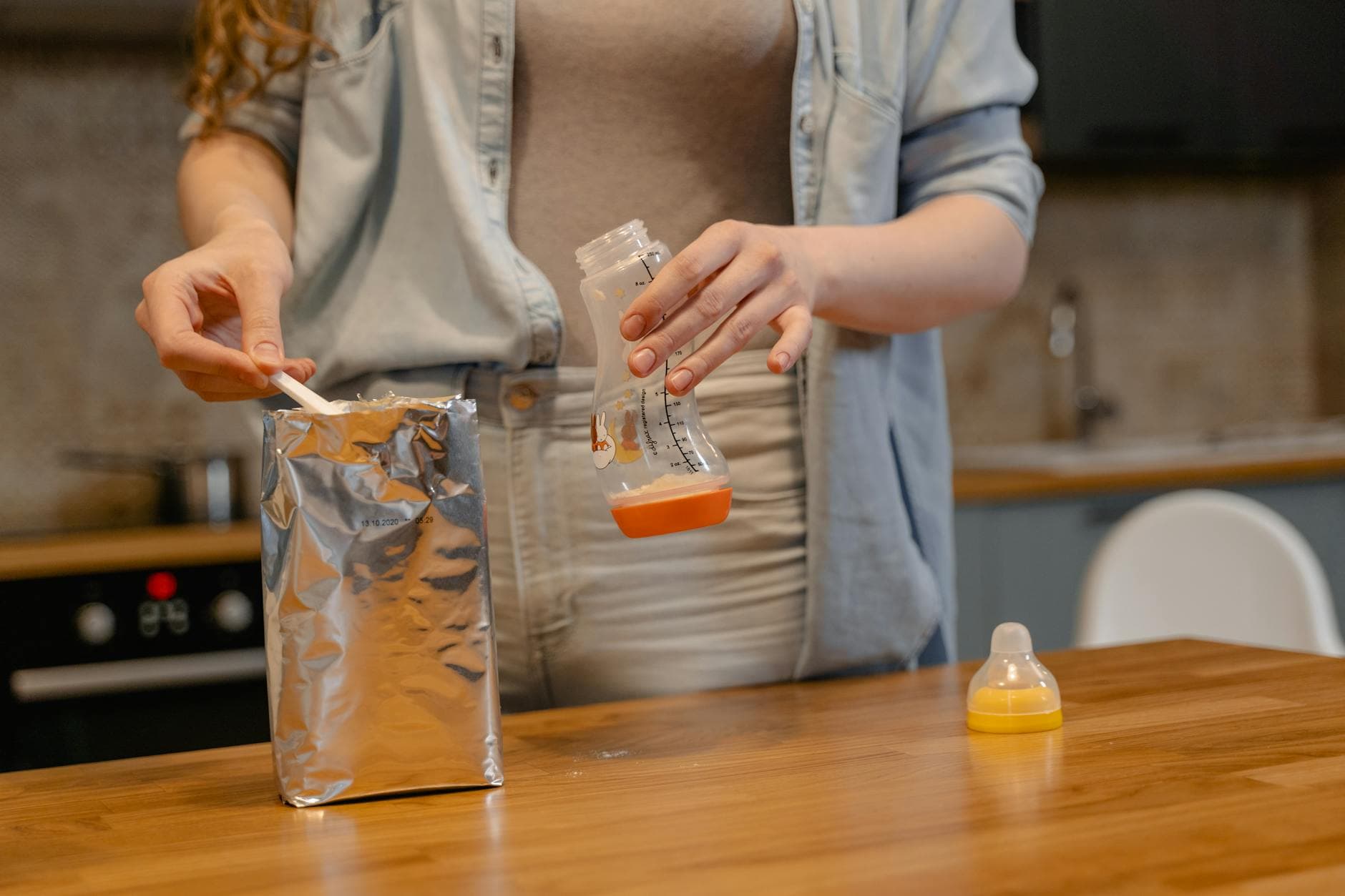
Low levels of pesticides, mercury and other contaminants turned up across a sweeping new federal test of baby formula, but the Food and Drug Administration said the results still support using any formula sold in the United States.
The agency said it tested more than 300 infant formula samples, representing products sold at retail nationwide, and generated more than 120,000 data points in its own laboratories. The samples were checked for lead, mercury, cadmium, arsenic, pesticides including glyphosate and glufosinate, PFAS and phthalates across powders, ready-to-feed liquids and concentrated liquids. The FDA said an overwhelming majority of samples had undetectable or very low levels of contaminants, and that 99% of samples had no pesticide detections.
The agency drew a distinction between detection and danger. It said the metals it found were below U.S. Environmental Protection Agency limits for drinking water, and it reported no detections for 25 of the 30 PFAS compounds tested. The FDA also said 95% of samples had PFAS at or below 28 parts per trillion. Still, the findings underscored a broader regulatory gap: the FDA said it does not currently have enforceable federal limits for heavy metals in infant formula, even as it works to establish action levels for contaminants.
The testing is part of Operation Stork Speed, launched on March 18, 2025, alongside the first comprehensive infant formula nutrient review since 1998. The effort came after the 2022 Abbott infant formula recall intensified scrutiny of the supply chain and pushed Washington to expand inspection resources and safety oversight. FDA officials said the agency will continue additional testing, press manufacturers to reduce contaminants as low as possible and keep working on stronger standards.
Health officials framed the results as encouraging but not final. HHS Secretary Robert F. Kennedy Jr. said the agency would hold manufacturers accountable and give parents transparent data. FDA Commissioner Marty Makary said the findings were encouraging and that the agency would keep advancing formula innovation and safety.
Independent experts offered a similar mix of reassurance and caution. Steven Abrams of the University of Texas at Austin said there was “no reason not to use any available formula in the U.S.,” while pressing for clear standards and ongoing assessment. Sheela Sathyanarayana of UW Medicine and Seattle Children’s Research Institute said the detection of synthetic chemicals such as PFAS and phthalates at all is concerning and supports continued monitoring. Consumer Reports said it was encouraged by the government’s findings but still wants public health-based limits for contaminants.
For parents, the immediate message is not to pull formula off the shelf. The federal test suggests most products contain either no detectable contaminants or only trace amounts, but it also confirms that oversight remains incomplete and that the government is still moving toward clearer limits for a product millions of babies rely on every day.
This article was produced by Prism’s automated news system from verified source data, official records, and press releases, then run through automated quality and moderation checks before publishing. The system is built and supervised by the people who set the standards it runs under. Read our full AI policy.
Did this article answer your question?