FDA move could curb compounding of Novo, Lilly obesity drugs
FDA moved to block bulk compounding of semaglutide and tirzepatide, a shift that could leave patients with fewer low-cost weight-loss options as shortages ease.
The Food and Drug Administration moved to tighten the market for blockbuster obesity drugs, proposing to exclude semaglutide, tirzepatide and liraglutide from a key compounding list. The change could shut down large-scale copying of Wegovy, Ozempic, Zepbound, Mounjaro and Novo Nordisk’s older liraglutide products, pushing more patients toward brand-name medicine or out of the market entirely if prices stay high.
For patients and telehealth companies that built businesses around compounded GLP-1s, the proposal goes to the heart of access. Compounded drugs have been marketed as cheaper alternatives during shortages, and in some cases they have filled gaps for patients needing customized doses. But the FDA said it found no clinical need for outsourcing facilities to compound these drugs from bulk substances, a judgment that would narrow the legal path for industrial-scale copying.
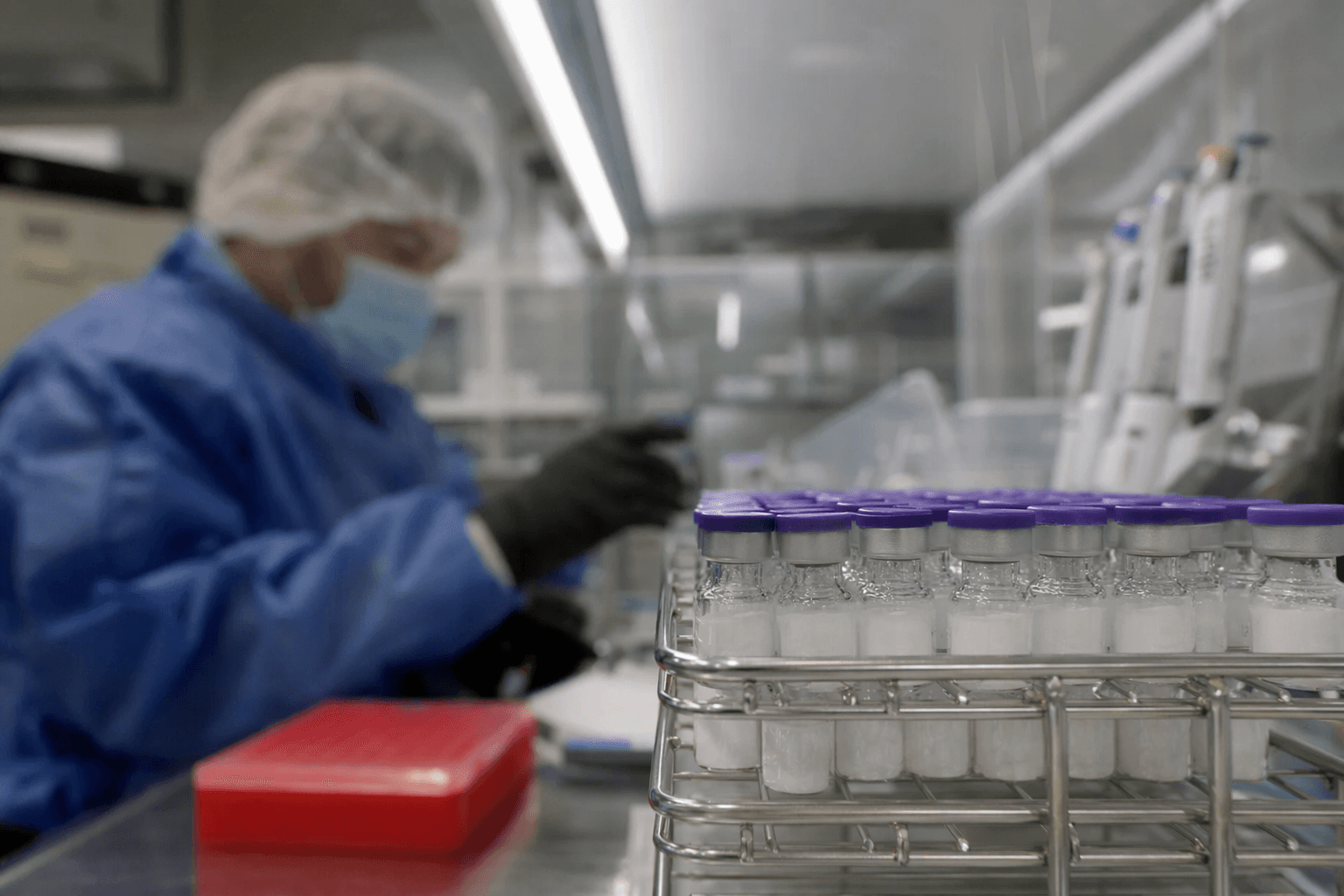
The agency said most outsourcing facilities cannot compound from bulk drug substances unless the substance appears on the 503B bulks list or the compounded drug is on the FDA shortage list at the time of compounding, distribution and dispensing. In the notice, the FDA proposed not adding the three obesity-drug ingredients to that list. Public comments are open through June 29, 2026, and the Federal Register notice sets a June 30, 2026 deadline before the agency makes a final decision.
The move follows a year of sharper enforcement around GLP-1 compounding. The FDA said semaglutide shortage enforcement discretion ended for 503A pharmacies on April 22, 2025, and for 503B outsourcing facilities on May 22, 2025. For tirzepatide, enforcement discretion for 503B facilities ended March 19, 2025. The agency had already determined that semaglutide injection products were no longer in shortage on February 21, 2025, and tirzepatide injection products were resolved on December 19, 2024.
The FDA also turned up pressure on the marketing side of the business. On March 3, 2026, it issued 30 warning letters to telehealth companies over false and misleading claims about compounded GLP-1 products, saying it had sent thousands of letters in the previous six months, more than in the entire preceding decade. The agency said some companies were implying compounded versions were the same as FDA-approved drugs or obscuring who actually compounded them.
FDA Commissioner Marty Makary said compounders should not try to circumvent the agency’s approval process by mass-marketing compounded drugs, and both Novo Nordisk and Eli Lilly have pushed for a narrower view of the practice. Novo has said compounding should remain a “rare and limited exception,” while Lilly said there is “no basis for compounders to make tirzepatide knockoffs.”
If finalized, the proposal would do more than police drug quality. It would reshape a shortage-driven supply chain that has become central to the cost of obesity treatment in the United States, and it would test whether regulators are closing a safety loophole or squeezing the last realistic valve for patients priced out of branded medicine.
This article was produced by Prism’s automated news system from verified source data, official records, and press releases, then run through automated quality and moderation checks before publishing. The system is built and supervised by the people who set the standards it runs under. Read our full AI policy.
Did this article answer your question?