FDA recalls True Sea Moss gel over botulism risk concerns
The FDA recalled True Sea Moss Gel jars made before Jan. 9 after regulators found missing temperature and authorization records that can raise botulism risk. Harris County residents should discard affected jars and check the FDA recall for refunds.

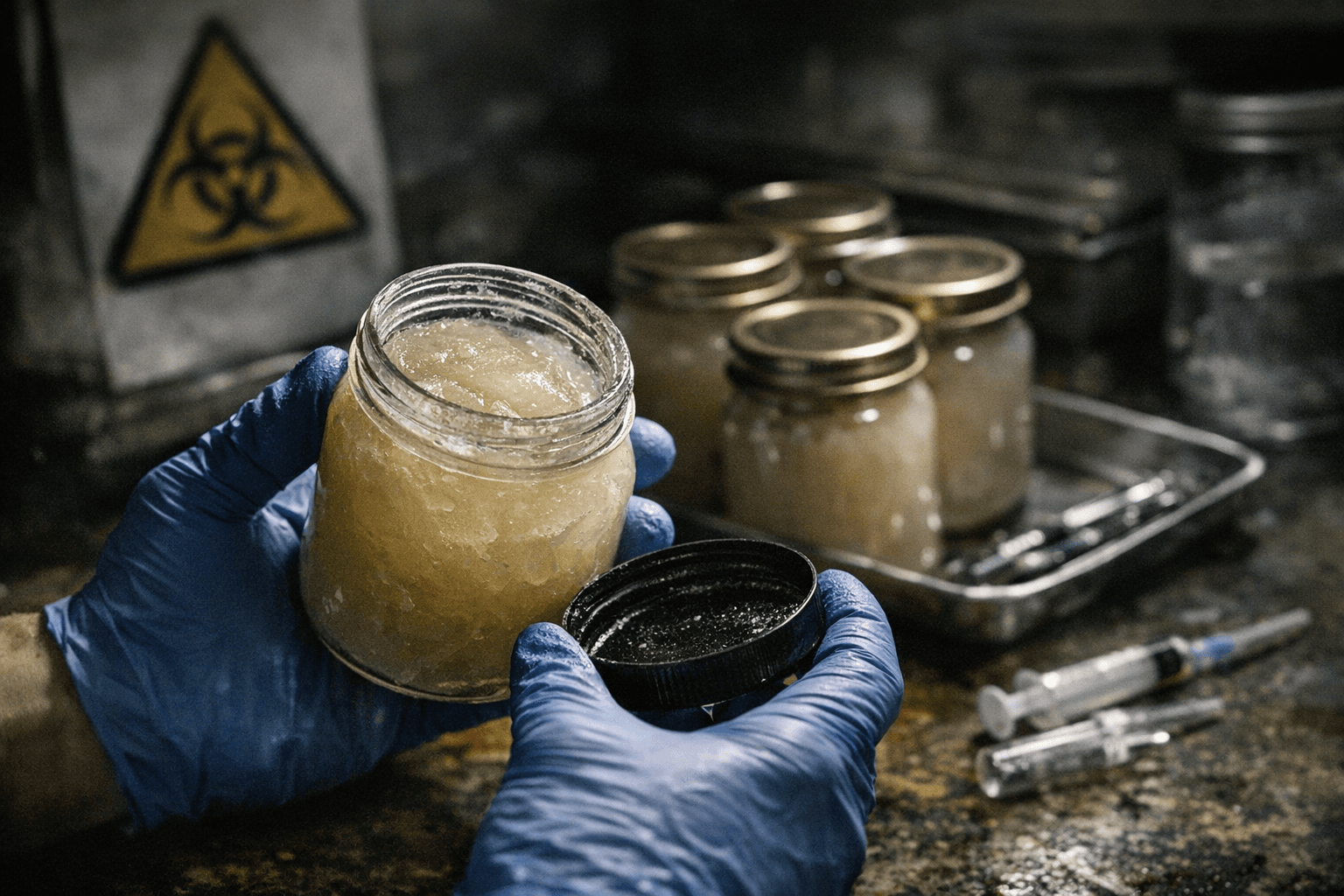
The U.S. Food and Drug Administration announced a recall Jan. 13 of all lots and flavors of True Sea Moss brand Sea Moss Gel Superfood sold in 16-ounce glass jars with manufacturing dates before Jan. 9. The agency said the manufacturer failed to maintain required regulatory authorization and temperature-monitoring records for pH-controlled foods, a lapse that can allow microbial growth including organisms capable of producing botulism toxin.
Public health officials stress that pH-controlled foods are subject to specific safety rules because their acidity or processing methods are intended to limit dangerous microbes. Without proper documentation and temperature control, those safeguards can fail. For Harris County shoppers who buy sea moss as a dietary supplement or traditional remedy, the recall is a reminder that refrigerated gels sold in jars need the same safety oversight as other prepared foods.
Consumers should stop using the product immediately, discard affected jars, and consult the FDA recall notice to confirm lot dates and refund procedures. Do not taste or smell the product to test it. If you or someone in your household develops symptoms such as blurred vision, drooping eyelids, difficulty swallowing, dry mouth, muscle weakness or trouble breathing after using the product, seek medical care right away and tell clinicians about possible foodborne toxin exposure.
The recall may ripple through local small businesses. Sea moss is commonly sold at natural food stores, Caribbean and immigrant-owned groceries, farmers markets and by independent vendors across Harris County. Many of those sellers are small, family-owned operations that operate on thin margins and may source products from a variety of manufacturers. When recalls occur, the financial hit falls hardest on vendors and customers who lack easy access to refunds or who rely on these items for cultural or health reasons.
From a policy perspective, the episode highlights gaps in enforcement and the burden of compliance for small-scale food producers. Temperature-monitoring logs, pH testing and regulatory authorization are not just paperwork; they are tools that protect communities from severe, though rare, illnesses. Local public health agencies can help by offering guidance on safe storage, labeling and record keeping so entrepreneurs can sell safely without being pushed out of the market.
Report any adverse reactions through FDA channels and alert Harris County Public Health if you suspect illness. The takeaway? Toss jars made before Jan. 9, keep a photo of the jar or receipt for refund purposes, and check with your vendor or the FDA recall notice before buying more. Our two cents? Protect your family first, and support local sellers who invest in safe handling practices.
Sources:
Know something we missed? Have a correction or additional information?
Submit a Tip