FDA to review Grail's Galleri blood test in September meeting
The FDA will hear outside experts on Sept. 23 as it weighs Grail’s Galleri test, putting false positives, sensitivity and real-world benefit under the microscope.
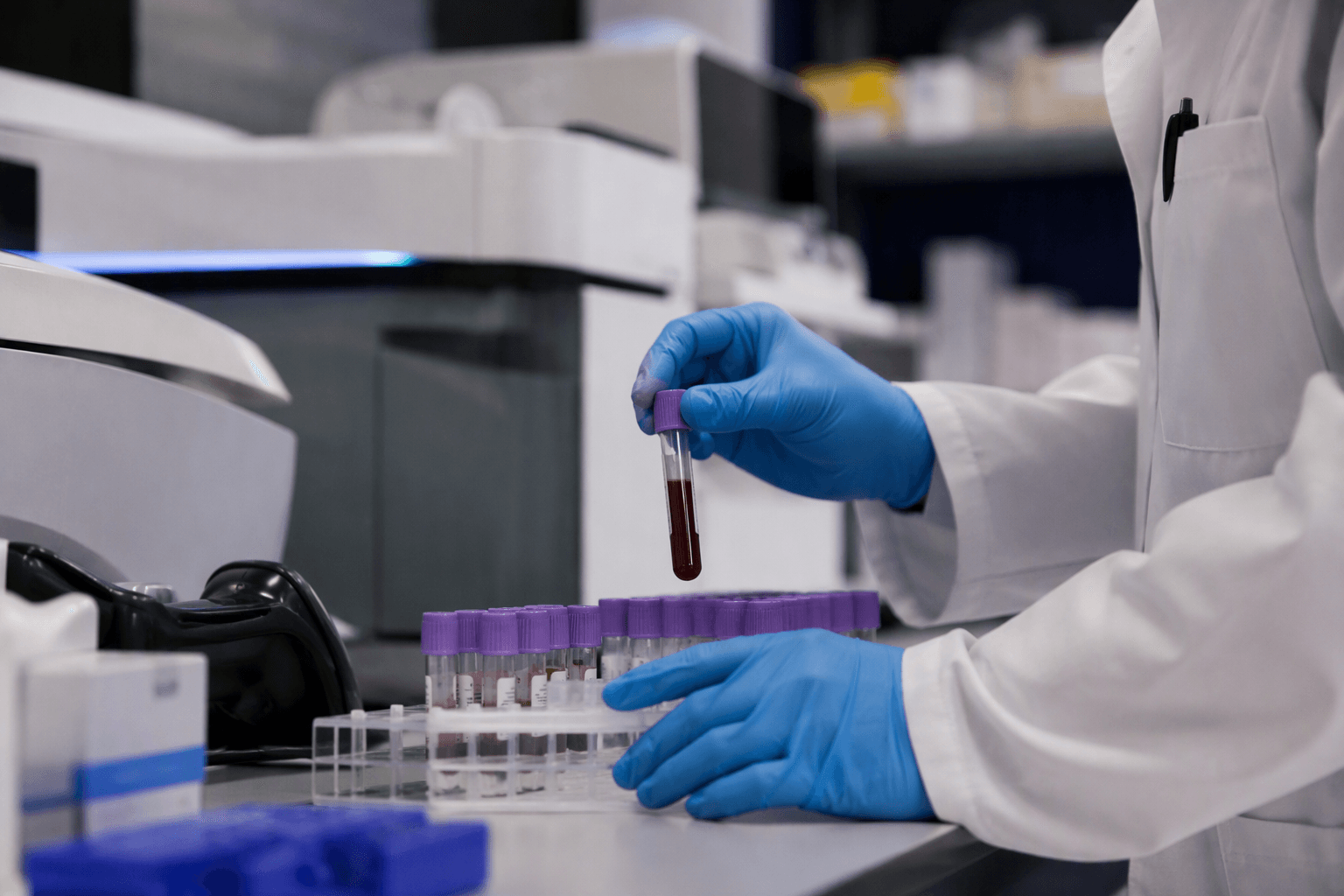
The Food and Drug Administration will convene an advisory committee on Sept. 23 to review Grail’s Galleri blood test, a closely watched examination of whether multi-cancer screening is ready to move deeper into routine care. The meeting will put the whole category under a regulatory microscope, with advisers expected to weigh false positives, clinical usefulness and whether earlier detection actually improves outcomes.
Grail said Aug. 7 that the meeting was scheduled for the agency’s Molecular and Clinical Genetics Panel of the Medical Devices Advisory Committee. The company submitted its premarket approval application for Galleri on Jan. 29, 2026, starting the formal review process for a test it says can detect cancer signals from a single blood draw and help identify the likely tissue of origin.
That evidence base remains the central issue. Earlier blood-based cancer screening work has drawn both enthusiasm and criticism because a positive result can lead to follow-up scans, invasive procedures and patient anxiety without clear proof of better survival. A 2021 Medscape report on the PATHFINDER study highlighted concerns about false positives, while a 2024 Lancet commentary said the current Galleri version had overall sensitivity of 27.5% for early-stage cancers, stage 1 through stage 2.

The FDA’s choice to use its advisory process signals that outside experts will examine more than the promise of a single test. The panel is expected to look at how Galleri would fit alongside established screening for breast, colorectal, lung and cervical cancers, and whether it adds enough value to justify broader use in patients who may already have access to standard screening.
The stakes extend beyond one company. FDA advisory meetings can influence investor confidence, physician adoption and payer decisions, which means the September session could shape how quickly insurers consider coverage and how widely doctors are willing to order the test. If regulators see too much uncertainty, the result could slow mainstream adoption and keep overdiagnosis fears front and center. If the review is more favorable, it could push multi-cancer blood testing closer to regular clinical use in the United States, with Grail based in Menlo Park, California, positioned at the center of the next phase of that market.
This article was produced by Prism’s automated news system from verified source data, official records, and press releases, then run through automated quality and moderation checks before publishing. The system is built and supervised by the people who set the standards it runs under. Read our full AI policy.
Did this article answer your question?