Michigan eases lettuce warning as cyclosporiasis cases level off
Michigan eased its lettuce warning as cyclosporiasis cases stopped climbing as fast, even after the outbreak passed 12,000 cases and caused two deaths.
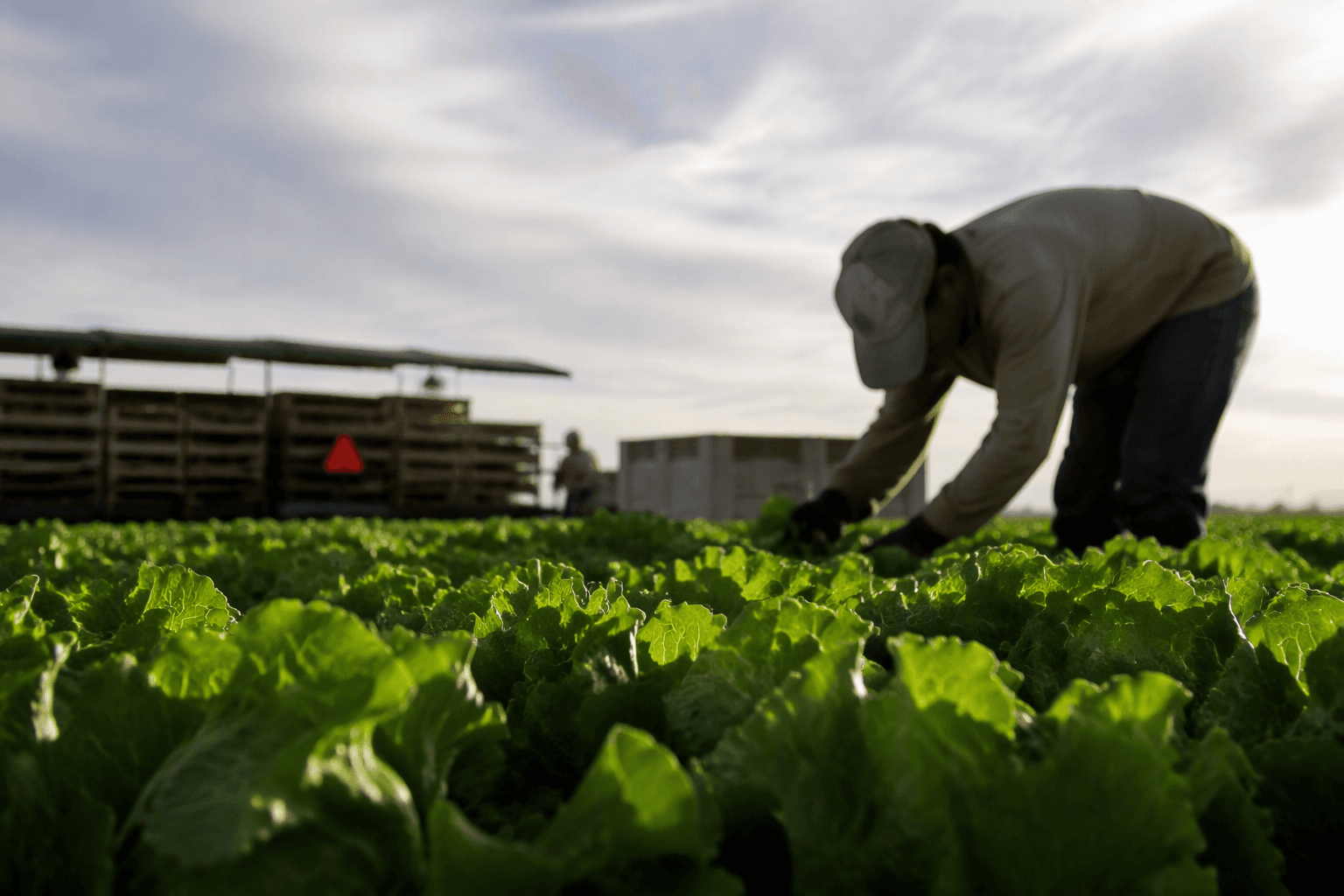
Michigan health officials eased their advice to avoid lettuce after cyclosporiasis reports began to level off, a sign the state’s most restrictive warning was giving way to a narrower public-health message. The shift did not end the outbreak, but it showed officials were seeing case counts rise more slowly and could begin moving residents back toward ordinary food-safety precautions.
Cyclosporiasis is caused by Cyclospora, a microscopic parasite tied to contaminated fresh produce, especially leafy greens eaten raw. The Michigan Department of Health and Human Services had warned residents during the outbreak to stay away from lettuce and salad greens, but by August 6 officials were signaling that the risk had fallen enough to soften that advice rather than keep urging a broad avoidance.
The change came after a severe surge in illness. Michigan had recorded 12,218 cases as of August 5, up 710 from the previous day, and tracking of the outbreak began June 22. State data also showed 193 hospitalizations, while the first two deaths linked to the outbreak were reported August 3; both patients had significant underlying health conditions. Those figures put the Michigan episode among the largest foodborne illness responses in the country this summer.

The state’s warning also sits inside a wider multistate investigation. Federal outbreak pages identified iceberg lettuce as the focus of the probe, and the Centers for Disease Control and Prevention said July 21 that U.S. cases in the lettuce-linked outbreak had topped 4,100. By August 5, the national investigation had widened to 15 states, underscoring that the problem was not confined to Michigan even as the state’s own case curve started to flatten.
For consumers, the easing means a partial all-clear, not a declaration that the threat is gone. Officials are moving away from the broad stop-eating-lettuce message that made sense when cases were surging, and toward routine guidance on washing, handling and buying fresh produce carefully. The outbreak has already affected behavior well beyond public health clinics: a July 29 report found diners were avoiding restaurants and lettuce sales were falling as fears spread through the market.
This article was produced by Prism’s automated news system from verified source data, official records, and press releases, then run through automated quality and moderation checks before publishing. The system is built and supervised by the people who set the standards it runs under. Read our full AI policy.
Did this article answer your question?