FDA Warns Against Eating Drayton Harbor Oysters and Clams Over Norovirus Risk
Federal officials urged restaurants, retailers and consumers to avoid specific oysters and Manila clams from Washington state due to potential norovirus contamination.
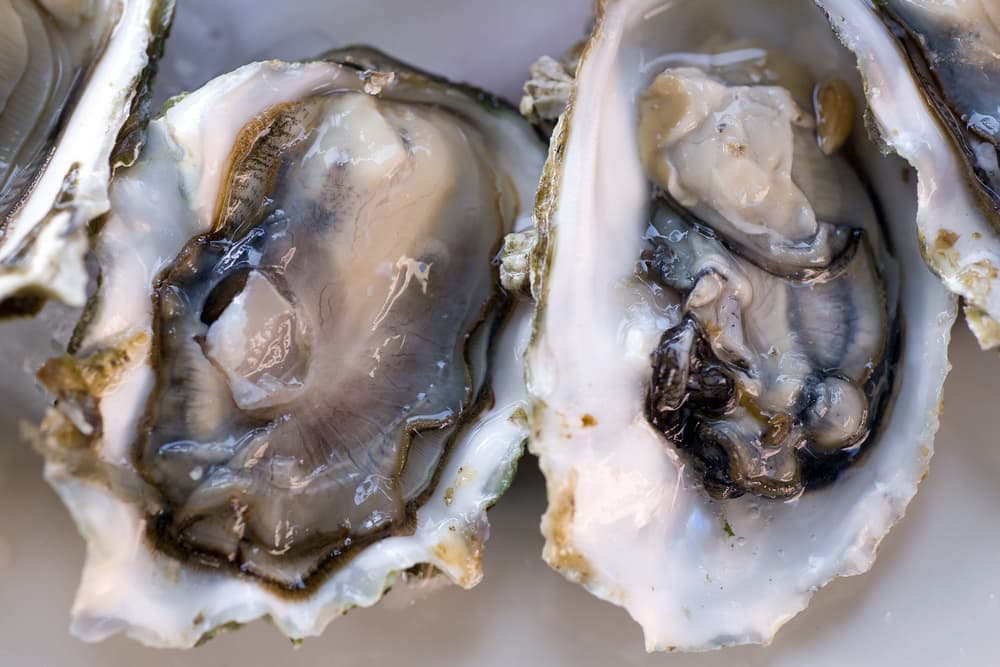
Federal public-health officials issued an urgent advisory Monday warning restaurants, food retailers and consumers not to serve or eat specific batches of raw oysters and Manila clams harvested from Drayton Harbor, Washington, because they may be contaminated with norovirus.
The advisory covers shellfish harvested between Feb. 13 and March 3, 2026. Anyone who purchased or received oysters or Manila clams from Drayton Harbor during that window should not consume them, regardless of appearance or smell. Norovirus, the leading cause of foodborne illness in the United States, cannot be detected through sight or odor and is not eliminated by partial cooking.
The agency has not disclosed specific batch or lot numbers, distributor names, or the number of any reported illnesses connected to the harvest. It also has not confirmed whether the advisory is based on laboratory-confirmed norovirus detection in the product or on epidemiological or environmental testing. Consumers and businesses seeking to identify affected product should check the FDA's food safety alerts page for updated details, including any recall notices.
The Drayton Harbor warning is the latest in a sustained pattern of shellfish advisories the FDA has issued since early 2024, spanning harvests from across the United States and multiple countries. In December 2024, the agency advised against eating oysters and Manila clams from Pickering Passage, Washington, also citing potential norovirus contamination. That advisory involved a different harvest area along the same stretch of Pacific Northwest coastline.
Norovirus has been the most frequently cited pathogen across the series of advisories. The FDA issued warnings involving oysters potentially contaminated with norovirus from Baja California and Bahia Salina in Sonora, Mexico in January 2024, followed by an advisory covering individually quick frozen oysters from the Republic of Korea in June 2024. Three additional advisories involving frozen, raw, half-shell oysters from South Korea followed in March, May and July 2025, with a separate March 2025 advisory specifically naming Designated Area II in that country.

Not all advisories have involved norovirus. In July 2024, the FDA warned against eating oysters from Recompense Cove in Freeport, Maine, citing potential Campylobacter contamination. A month later, oysters from Lewis Bay, Massachusetts, were flagged as potentially contaminated with Campylobacter jejuni, a bacterial strain associated with gastrointestinal illness. In January 2024, the agency also advised against eating whole, live scallops believed to have been harvested from a prohibited area in Massachusetts and distributed by Intershell International Corp.
The breadth of the advisories, covering domestic harvests from Louisiana, Maine, Massachusetts and Washington as well as imports from Mexico, Canada and South Korea, reflects the complexity of the shellfish supply chain and the difficulty of containing contamination risk at a single point of origin.
Restaurants and retailers are instructed not to serve or sell the affected Drayton Harbor product. Consumers who believe they may have already eaten the shellfish and who develop symptoms consistent with norovirus, including nausea, vomiting, diarrhea and stomach cramping, should contact a healthcare provider.
The FDA advises checking its website for the full advisory, which may include additional identifying information to help businesses and consumers determine whether they hold affected product.
This article was produced by Prism’s automated news system from verified source data, official records, and press releases, then run through automated quality and moderation checks before publishing. The system is built and supervised by the people who set the standards it runs under. Read our full AI policy.
Did this article answer your question?