Feb. 12 Prescribed Burn at Imperial Refuge May Send Smoke to Yuma
Prescribed burn at Imperial National Wildlife Refuge is scheduled for Feb. 12, 2026; smoke may be visible in Yuma as crews reduce wildfire risk and restore habitat.
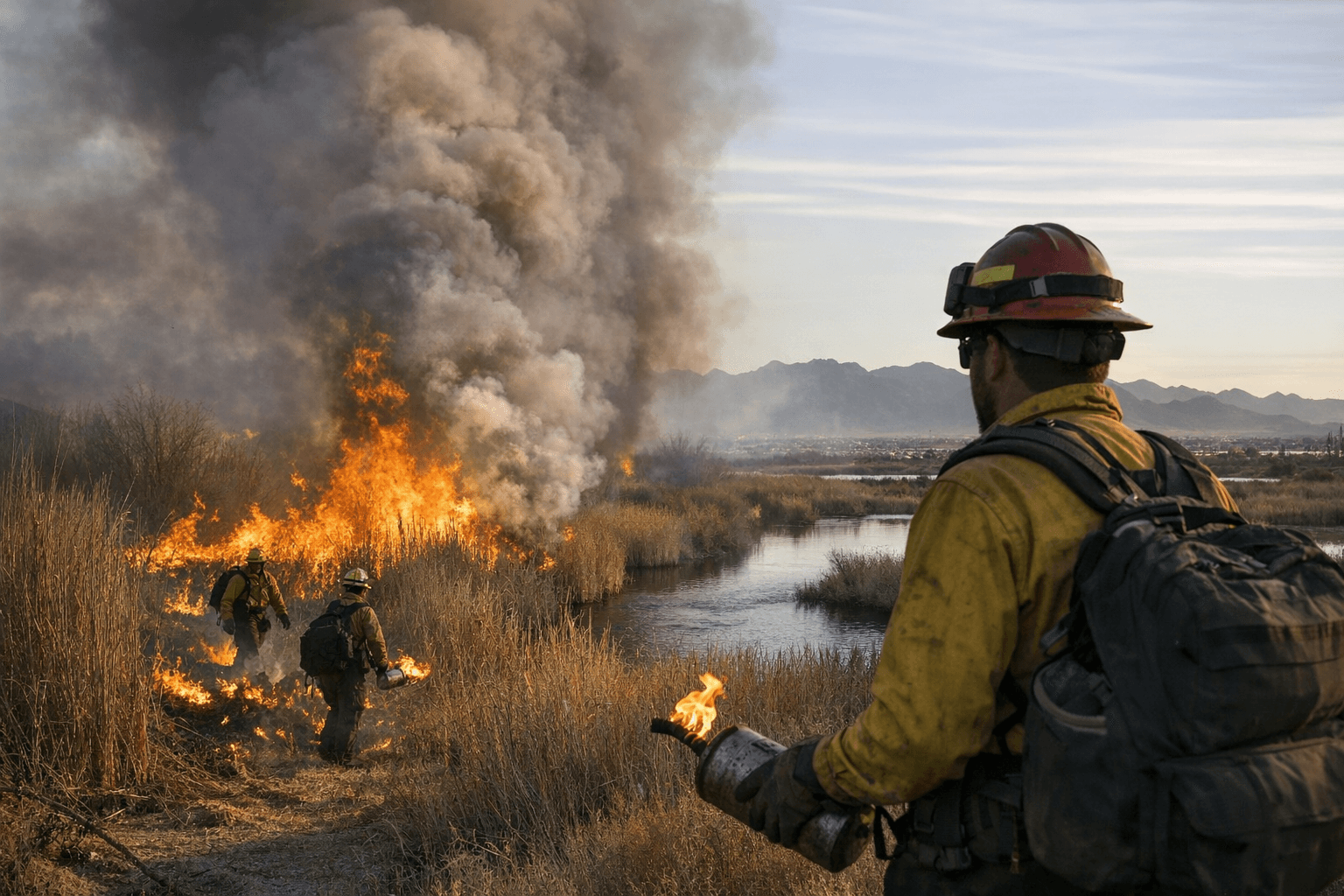
Smoke from a planned prescribed burn at Imperial National Wildlife Refuge may be visible to Yuma residents when crews ignite the operation on Feb. 12, 2026, the U.S. Fish and Wildlife Service announced. The U.S. Fish and Wildlife Service scheduled the ignition as part of habitat management and wildfire-risk reduction efforts.
Firefighters from the USFWS Arizona Fire Management Program, joined by interagency partners, will carry out the burn under an approved plan with firefighting resources in place. The U.S. Fish and Wildlife Service said, "Prescribed burning, conducted under an approved plan with the use of adequate firefighting resources, is the best method to prevent potential loss from a wildfire." The agency also emphasized that "Firefighter and public safety are the top priority."
The Service said it will closely monitor the burns. Officials warned only that smoke may be visible to Yuma residents; the announcement did not include an ignition time, specific acreage for the Feb. 12 operation, mapped burn units, or details about temporary closures. Those operational specifics have not been released in the materials provided so far.
The scheduled burn follows a pattern of proactive fire management on lower Colorado River refuges. In December 2023, the United States Fish and Wildlife Service, Cibola National Wildlife Refuge and Imperial National Wildlife Refuge conducted prescribed fires beginning the week of December 11 through December 15, 2023. That effort aimed to treat approximately 160 acres on Cibola NWR and 125 acres on Imperial NWR to reduce future wildfire potential and enhance marsh bird habitat. Refuge biologists and fire personnel developed plans to protect endangered species and reduce vegetation impeding restoration work, with plans developed under national interagency standards and requiring refuge manager approval prior to ignition. As the agency notes, "We have been using prescribed burn techniques to improve species habitat since the 1930s."
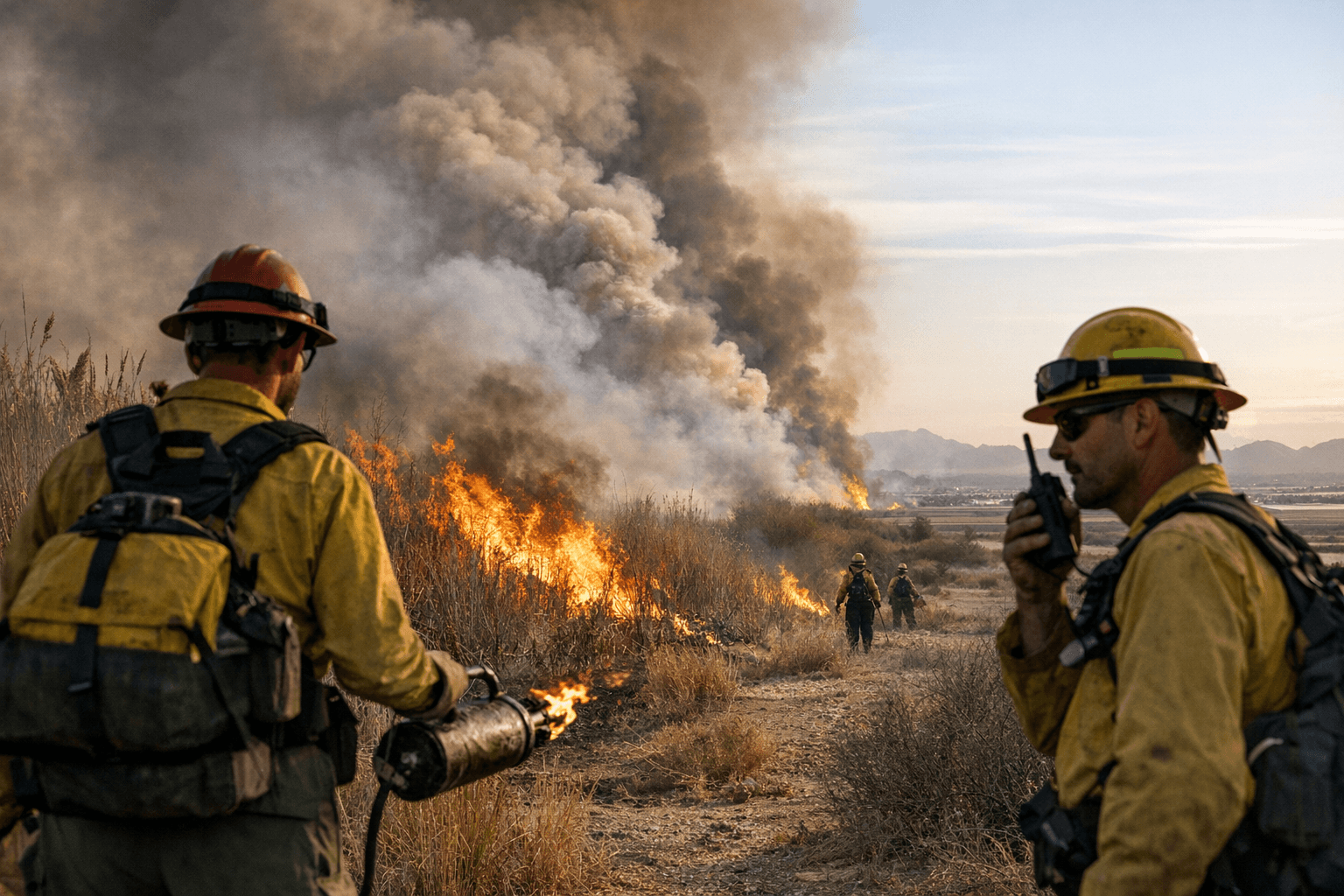
Nearby federal land managers also use controlled fire as a tool. The Bureau of Land Management Colorado River District has conducted prescribed burning at Mittry Lake Wildlife Area, about 12 miles north of Yuma, and near Walter's Camp, about 26 miles south of Blythe, Calif., at separate times. The BLM said, "To ensure the safety of residents and visitors, BLM fire management personnel will ignite the piles when weather conditions are conducive to burning. Area residents and visitors may see some light smoke during the burn operation. Access to the burn areas may be temporarily restricted to provide for public safety." The BLM added that funding from the Bipartisan Infrastructure Law of 2021 supports fuel treatments to reduce catastrophic wildfire risk.
For Yuma County residents, visible smoke on Feb. 12 is the most likely local impact; no air-quality advisories or public-health guidance specific to the Imperial Refuge burn were included in the agency materials. The U.S. Fish and Wildlife Service plans to monitor the operation, and more detailed operational information such as acreage, start times, and access restrictions may be released before ignition. Residents should watch local updates from the U.S. Fish and Wildlife Service and county authorities for any new information.
Know something we missed? Have a correction or additional information?
Submit a Tip

