Fed holds rates steady as 2026 hike outlook lifts futures
Wall Street bet on growth even as the Fed signaled rates could rise in 2026, while Korea’s Kospi topped 9,000 for the first time.
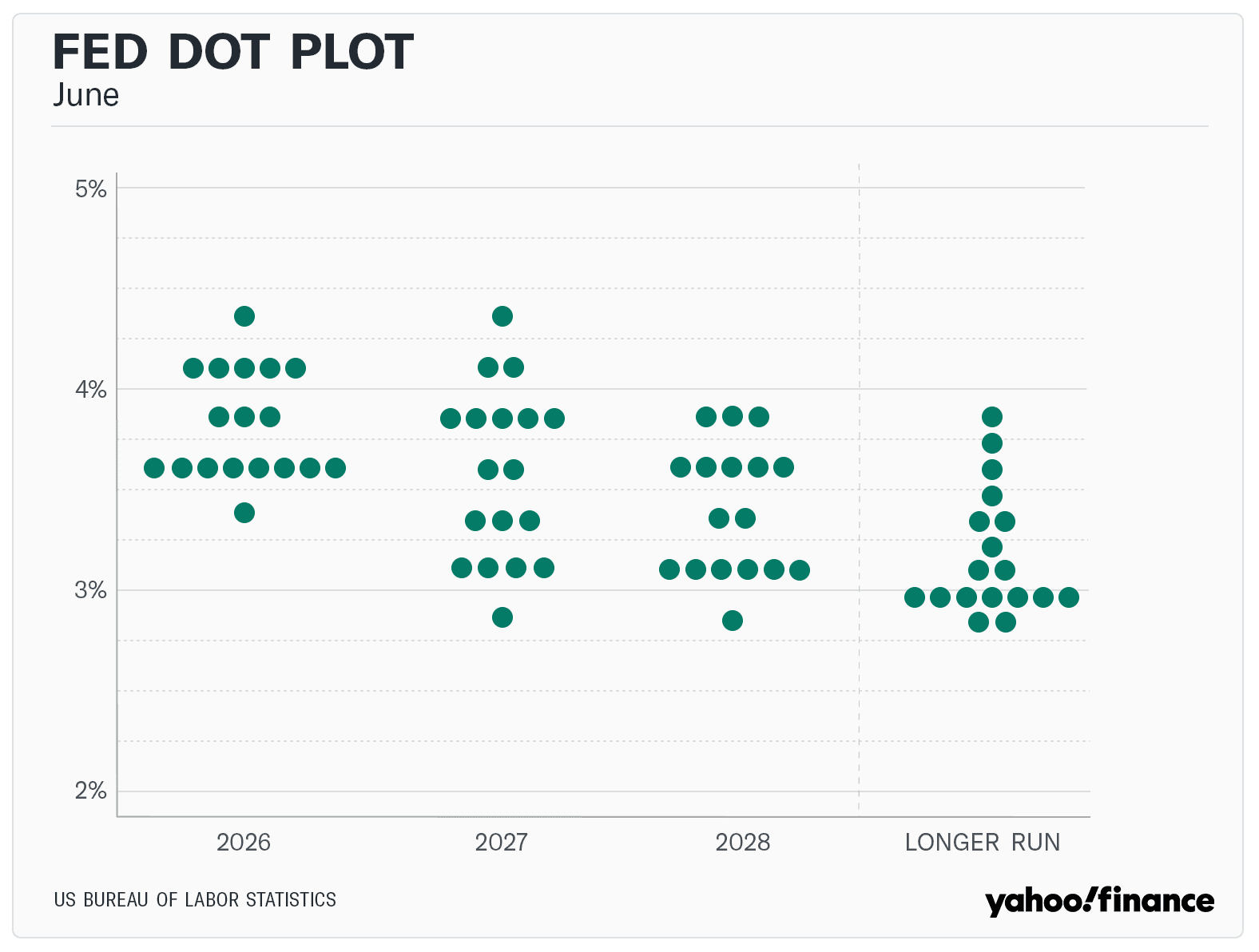
The market is rallying into a more hawkish Fed, a split that matters for anyone carrying a mortgage, a credit card balance or a 401(k). The Federal Reserve left its benchmark overnight borrowing rate unchanged at 3.5% to 3.75%, but the new forecast path pointed to a higher 2026 rate outlook and helped push U.S. futures higher even as borrowing costs stayed elevated.
The Federal Open Market Committee voted 12-0 on Wednesday, June 17, at Kevin Warsh’s first meeting as chairman and removed language from its statement that had signaled a bias toward future cuts. Its updated Summary of Economic Projections lifted the median 2026 fed funds rate to 3.8% from 3.4% in March, a shift that implies at least one hike could be needed this year. Warsh did not submit his own dot, called the dot plot “not helpful” in the conduct of policy, and said the Fed may review broader communication tools, including press conferences, dots, meetings, transcripts and minutes.
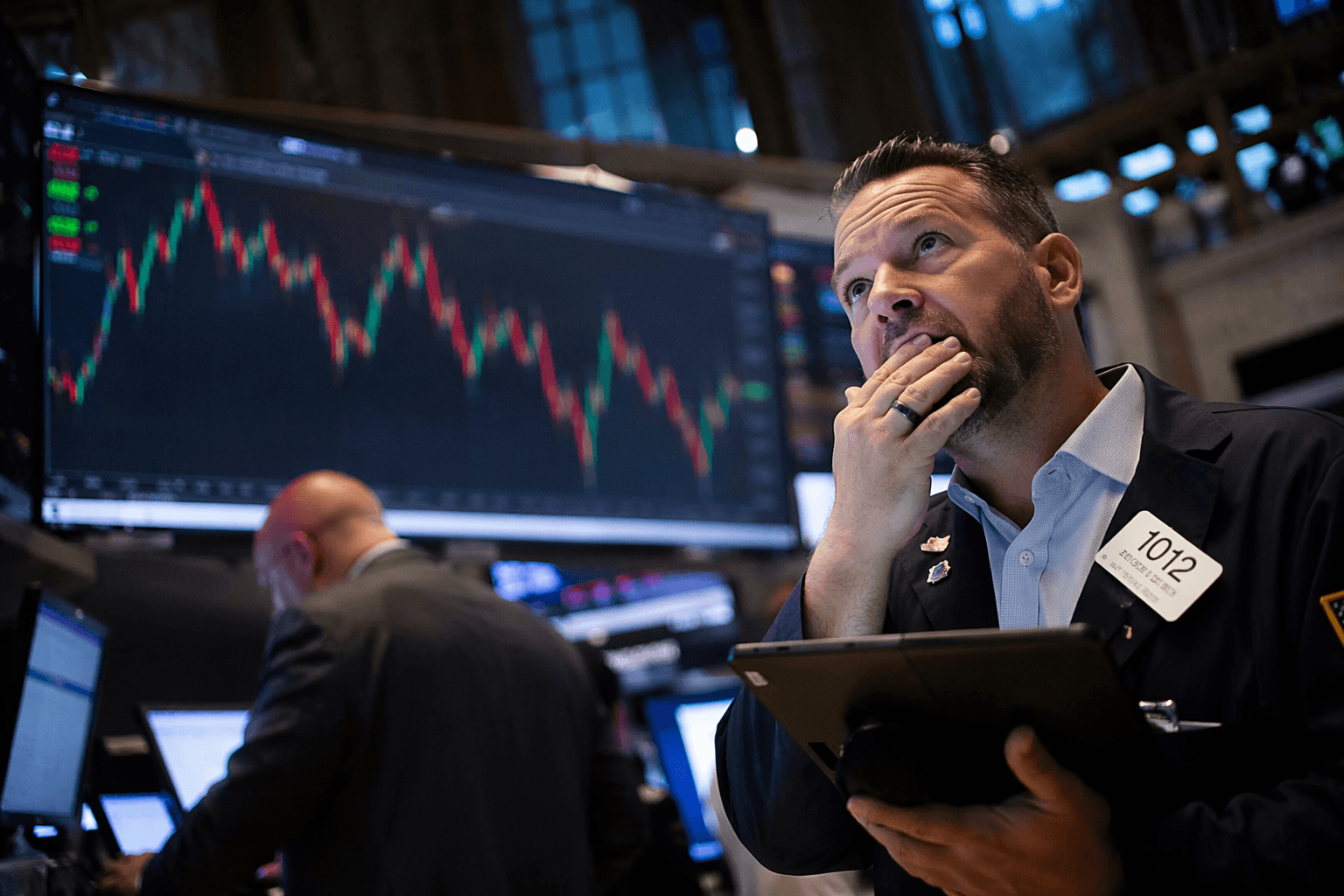
Markets initially recoiled. CNBC said the Dow fell 507.12 points, or 0.98%, after the decision, while the S&P 500 lost 1.21% and the Nasdaq Composite dropped 1.34%. The two-year Treasury yield hit 4.22% after the meeting, underscoring the jump in expectations for tighter policy. Even so, early Thursday trading flipped back toward risk: S&P 500 futures rose 0.83%, Nasdaq 100 futures climbed 1.32% and Dow futures gained 282 points.
For ordinary Americans, the message is straightforward. A Fed that is willing to keep rates high, and now points to a possible 2026 hike, keeps pressure on mortgage rates and revolving credit costs while offering some support to savers and bondholders. It also threatens valuations that have powered retirement accounts, especially if investors decide the higher-for-longer path is no longer compatible with rich equity prices.
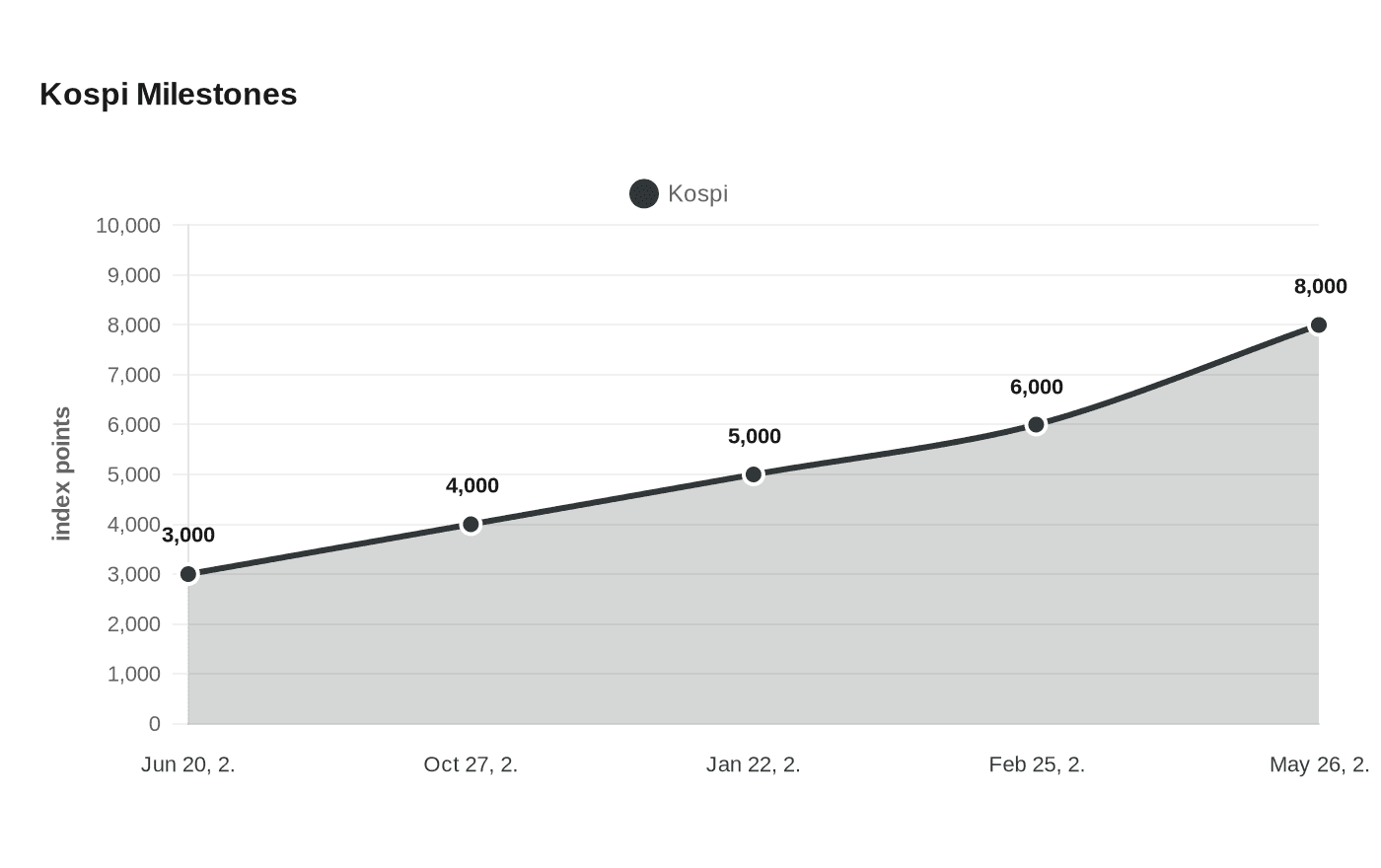
The disconnect was stark overseas. In Seoul, the Kospi crossed 9,000 for the first time, reaching an intraday high of 9,040.52 and trading at 8,993.66 around 1:52 p.m. local time. The benchmark had already broken 8,000 on May 26, 2026, after earlier crossing 3,000 on June 20, 2025, 4,000 on October 27, 2025, 5,000 on January 22, 2026 and 6,000 on February 25, 2026.
Chipmakers led the move, with Samsung Electronics up 1.23% and SK Hynix rising 3.45% in live trading. The Korea Times said Samsung shares had climbed 188% since the start of the year and SK Hynix had gained more than 287% in the past six months, a sign that investors are still betting on AI demand, capital-market reforms and shareholder returns even as the Fed’s tone turns more restrictive. Sonu Varghese of Carson Group said the committee is not united and policy still looks loose given inflation pressures, while David Zervos of Jefferies said, “the market doesn't like regime change.”
This article was produced by Prism’s automated news system from verified source data, official records, and press releases, then run through automated quality and moderation checks before publishing. The system is built and supervised by the people who set the standards it runs under. Read our full AI policy.
Know something we missed? Have a correction or additional information?
Submit a Tip