Rooftop solar booms in Southeast Asia as energy costs surge
Imported fuel bills are pushing Southeast Asia toward rooftop solar, as the IEA warns the region’s fossil-fuel import bill could hit $245 billion by 2035.

Soaring fuel bills are pushing households and businesses across Southeast Asia to treat rooftop solar less as a green upgrade and more as a financial shield. The shift is being sharpened by the Iran war, which has rattled oil and gas markets and exposed how much of the region’s imported energy still moves through the Strait of Hormuz.
The International Energy Agency warned June 16 that the crisis was a stark wake-up call for Southeast Asia’s energy security. In its Southeast Asia Energy Outlook 2026, the agency said the region’s fossil-fuel import bill could climb from just over $80 billion in 2024 to about $245 billion by 2035 if governments do not diversify faster.
The seventh edition of the IEA’s regional outlook covers the 11 ASEAN countries: Brunei Darussalam, Cambodia, Indonesia, Lao PDR, Malaysia, Myanmar, the Philippines, Singapore, Thailand, Timor-Leste and Viet Nam. It said rising electric vehicle sales, renewed interest in nuclear power, and a boom in rooftop solar and other renewables are already beginning to change the energy mix, even as the region remains heavily exposed to imported oil and gas.
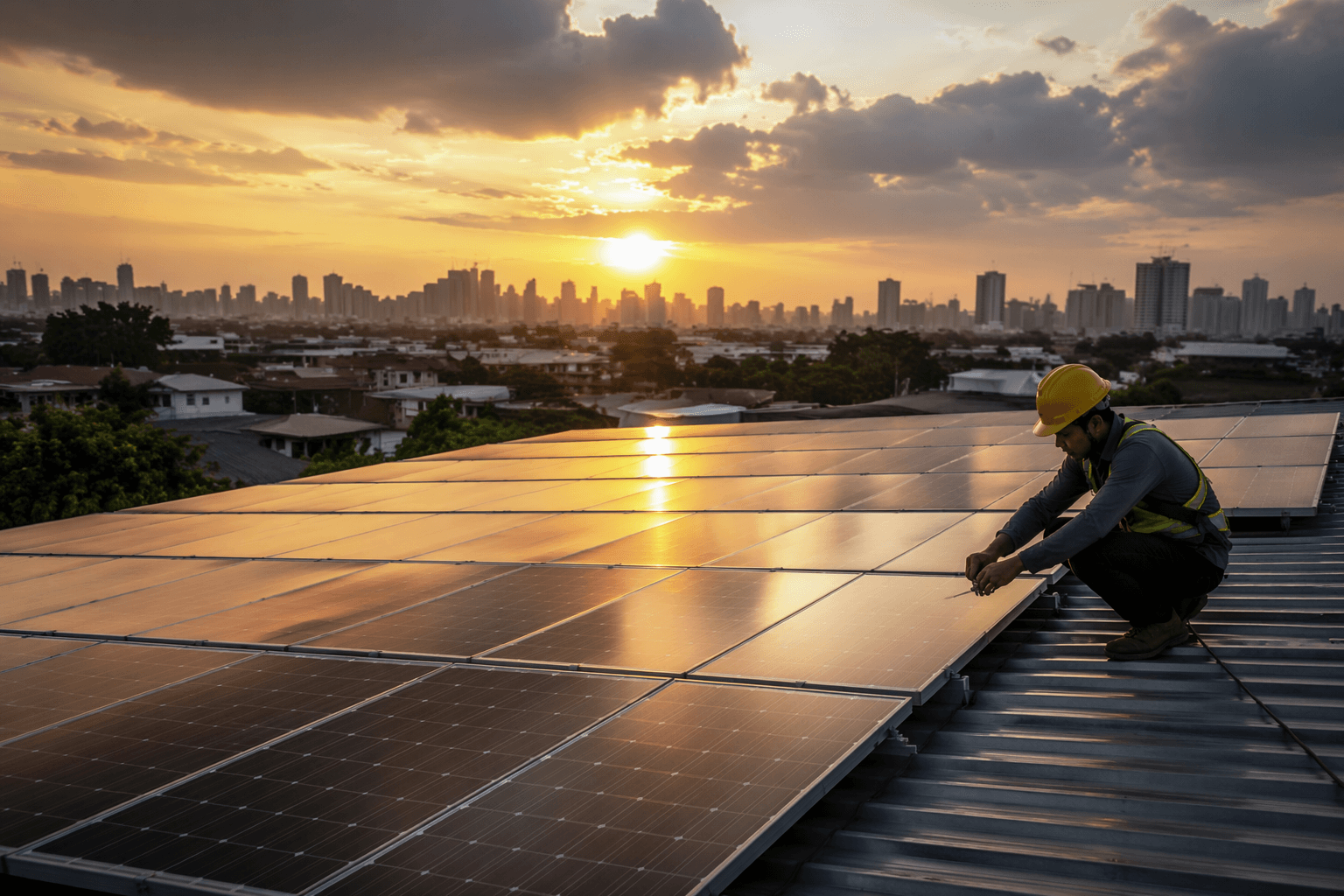
That pressure is already visible in the Philippines, where an AP report in May described a national energy emergency and found a sharp jump in rooftop-solar demand after the conflict began. A survey of 20 local solar companies showed weekly installations up 70% and customer inquiries up six-fold. One Manila buyer told AP he was shocked by his energy bill after the war started.
The broader economic backdrop is clear: Southeast Asia’s energy demand is expected to rise strongly over the coming decades, while its long dependence on imported fuels leaves consumers vulnerable to price spikes that begin far from home. For many households, rooftop panels are becoming an immediate hedge against volatile bills. For businesses, they are a way to lock in costs in a region where imported energy prices can change overnight.
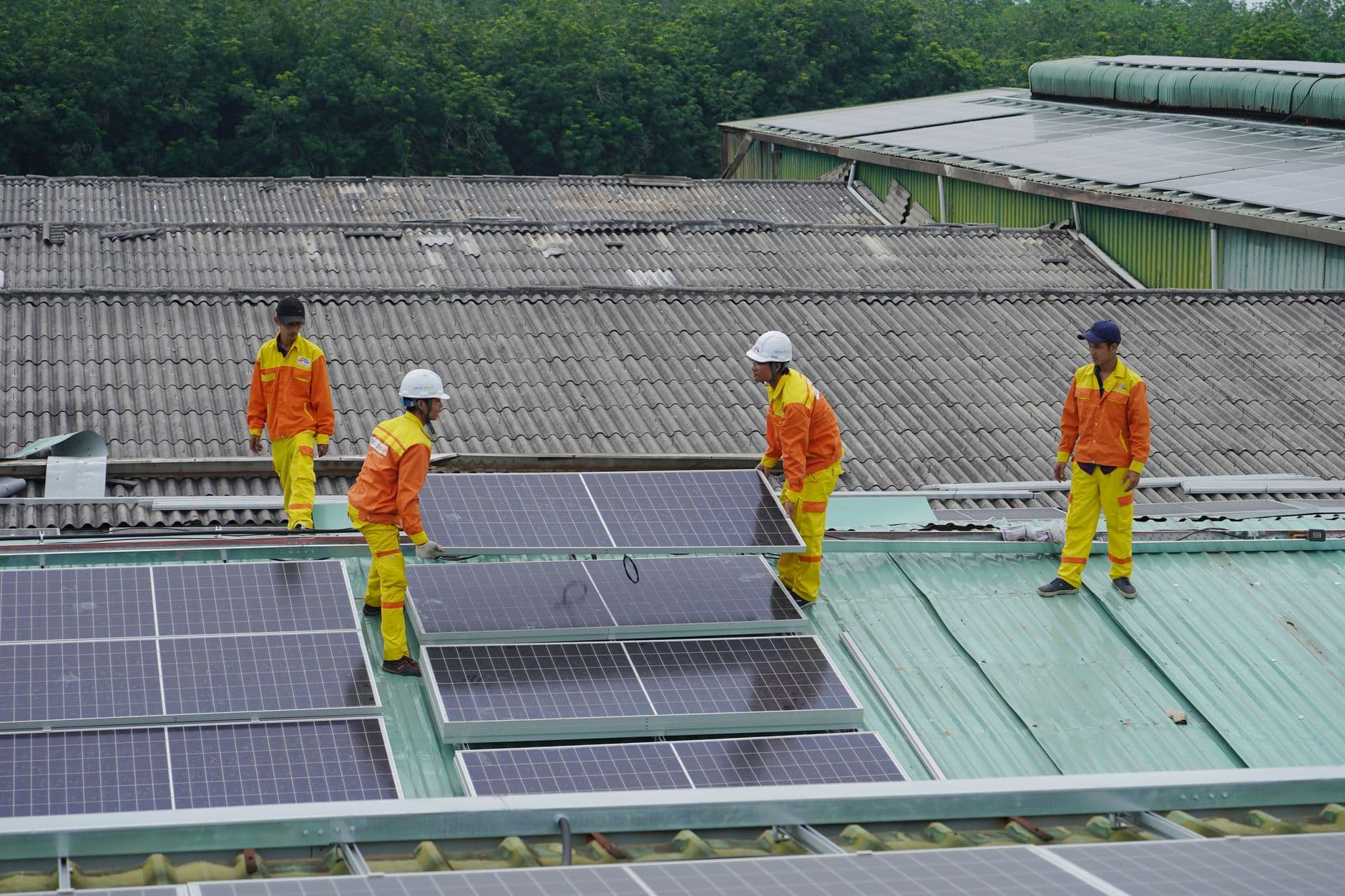
The IEA said in its 2024 outlook that Southeast Asia’s energy demand would rise sharply over coming decades and that the region would become increasingly exposed to energy-import costs. The new forecast suggests those risks are now colliding with a geopolitical shock, turning rooftop solar into part of the region’s response to both inflation and insecurity.
This article was produced by Prism’s automated news system from verified source data, official records, and press releases, then run through automated quality and moderation checks before publishing. The system is built and supervised by the people who set the standards it runs under. Read our full AI policy.
Know something we missed? Have a correction or additional information?
Submit a Tip

