Putin hosts ASEAN leaders in Kazan to boost trade ties
Putin used a Kazan summit with ASEAN leaders to press trade, energy and investment ties as Russia seeks to blunt Western isolation.
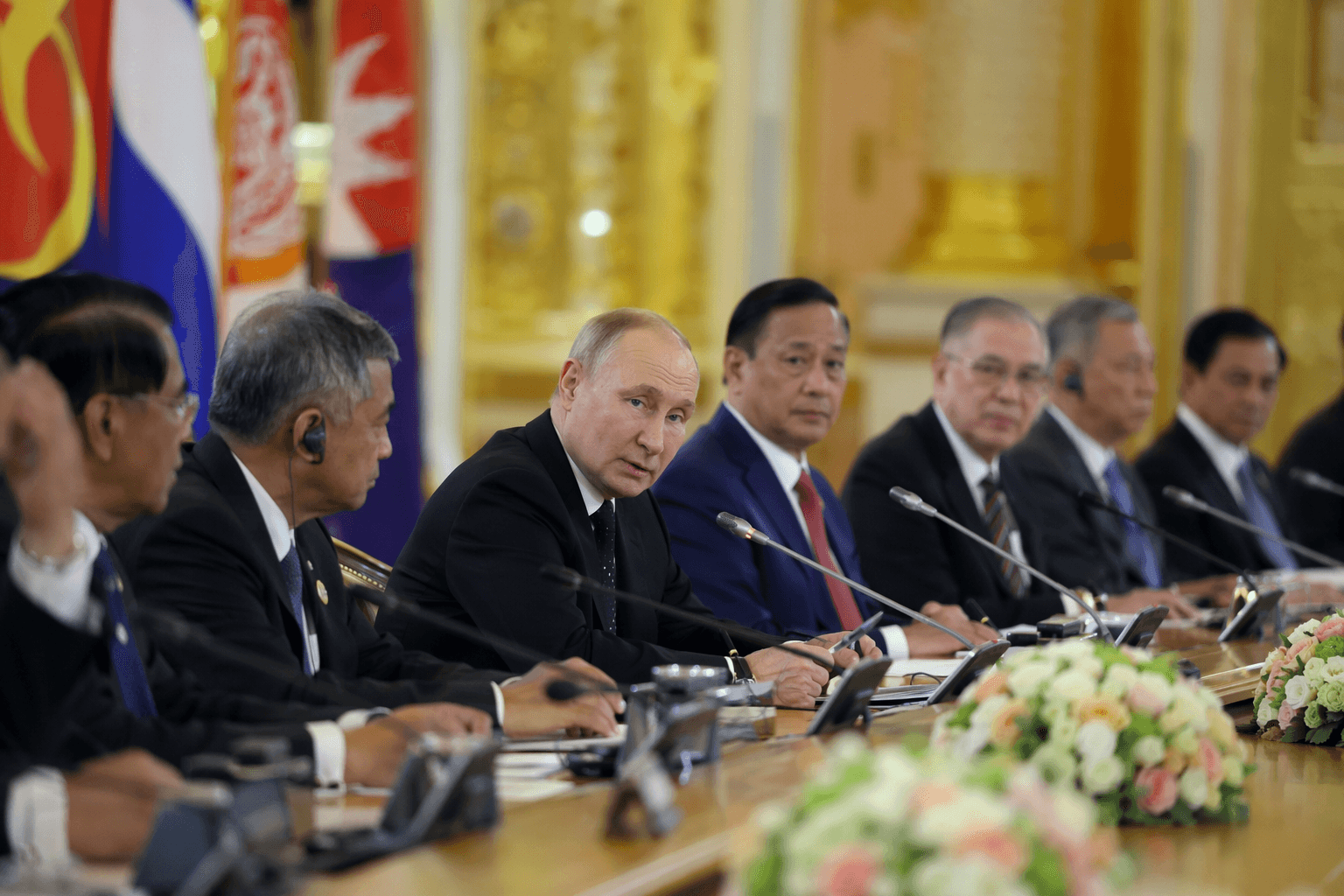
Vladimir Putin turned Kazan into a diplomatic showcase on June 17, hosting ASEAN leaders on the Volga River as Moscow leaned harder into Southeast Asia to offset Western pressure over Ukraine. The two-day summit marked 35 years of Russia-ASEAN relations and gave the Kremlin a chance to pair political symbolism with practical talks on trade, investment, security and humanitarian ties.
For ASEAN governments, the draw was not ideology but leverage. Russia remained a useful market, a source of energy and commodities, and a partner in a region where food and fuel prices still move quickly when conflicts disrupt global supply chains. For Moscow, the gathering offered something just as valuable: proof that Russia was not frozen out of Asian diplomacy despite sanctions and isolation from the West.
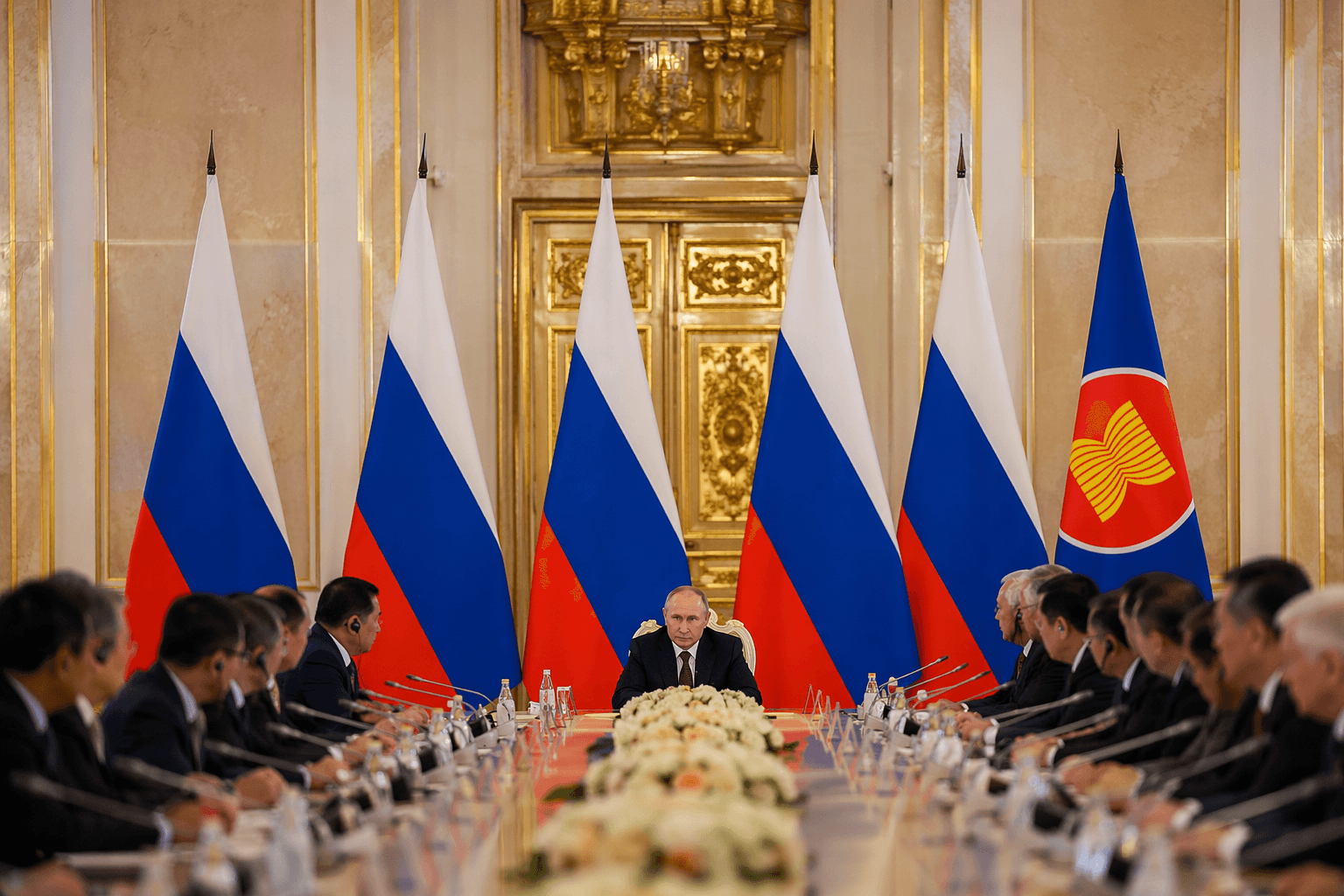
Putin told the Russia-ASEAN Business Forum that the summit would “create new opportunities” for mutually beneficial trade, investment and industrial cooperation, while Yury Ushakov said the agenda covered global and regional issues and was expected to endorse a “just and democratic multipolar world order” based on international law and the U.N. Charter. The Kremlin said leaders would review the strategic partnership and discuss politics, economics, and cultural and humanitarian affairs.
The numbers show why the relationship still matters. ASEAN says total trade with Russia reached $18.1 billion in 2024, while Russian direct investment flows into ASEAN rose 20.8% and mutual trips topped 2 million, up 21% from 2023. Russia’s Economy Ministry said trade with ASEAN rose 5.8% in 2024, set a second straight record and climbed 70% over the past decade. ASEAN became Russia’s dialogue partner in 1996, and both sides have spent years building a formal economic track through a 2005-2015 action program and later cooperation roadmaps.
Kazan was also the setting for a reset of the bloc’s next phase. The summit was expected to adopt the Kazan Declaration, joint statements on energy and cultural cooperation, and a Comprehensive Plan of Action for 2026-2030. ASEAN has said the 2021-2025 plan was entering its final year, making the meeting a key point for setting the next five years of engagement.
Putin also used the summit for bilateral meetings with Ferdinand Marcos Jr., Hassanal Bolkiah and Anwar Ibrahim. Philippine officials said Marcos planned to raise food and energy security, while Malaysia said Anwar came with trade and investment ministers and would press supply chains, energy, innovation and digital transformation. That practical agenda underscored the central bargain in Kazan: ASEAN states can gain commerce and access, even as they navigate the security risks and sanctions politics that still shadow Russia’s return to Asia.
This article was produced by Prism’s automated news system from verified source data, official records, and press releases, then run through automated quality and moderation checks before publishing. The system is built and supervised by the people who set the standards it runs under. Read our full AI policy.
Know something we missed? Have a correction or additional information?
Submit a Tip