Trump and Iran sign interim deal to end war, reopen Hormuz
Trump and Masoud Pezeshkian signed a 14-point interim pact that reopens Hormuz for 60 days, but key nuclear and sanctions terms stay unresolved.
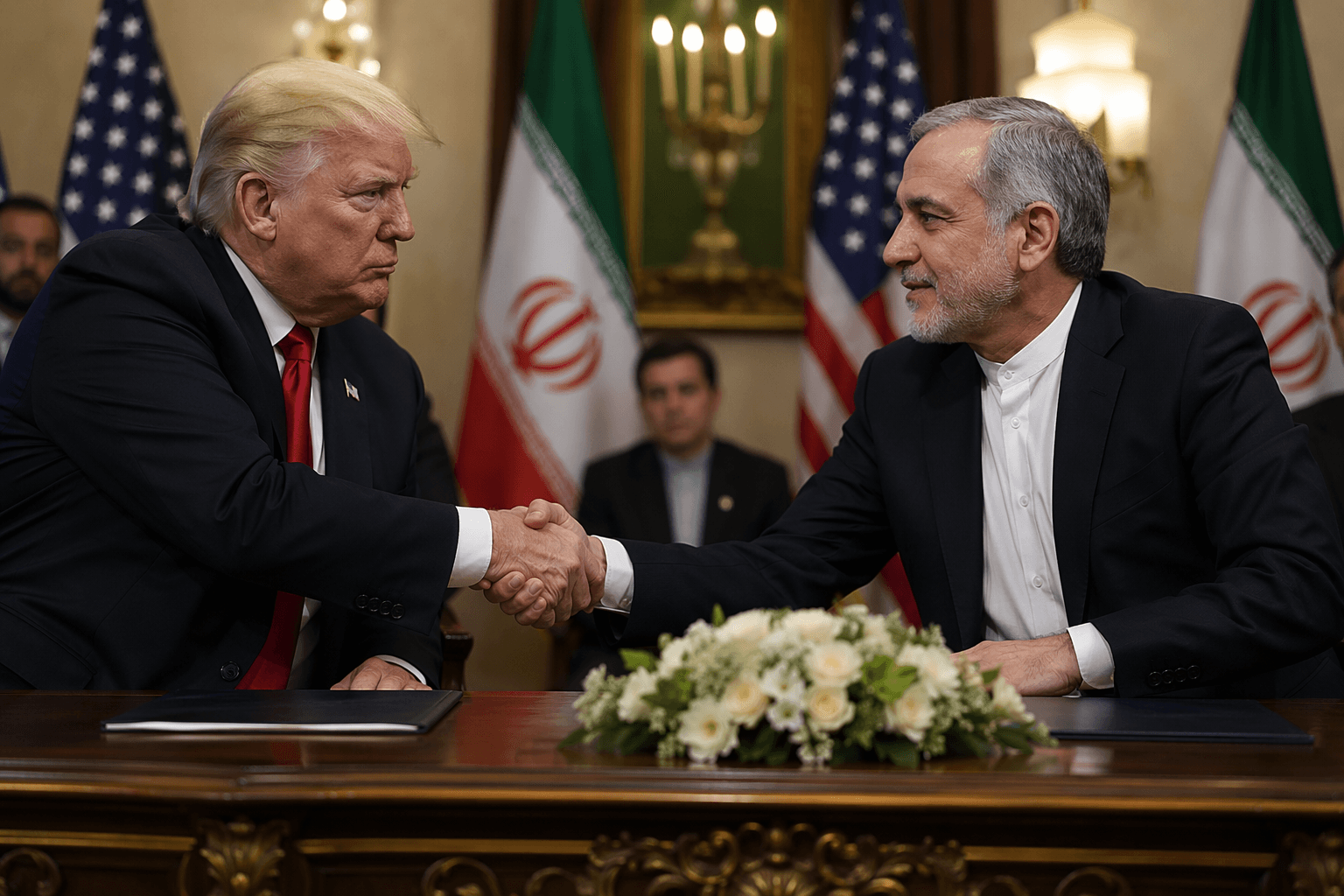
A 14-point U.S.-Iran memorandum did not end the war so much as freeze it, reopening the Strait of Hormuz and giving both sides 60 days to try to turn a fragile pause into a final settlement. Donald Trump and Iranian President Masoud Pezeshkian digitally signed the deal, but the central questions of military withdrawal, nuclear limits and sanctions relief were left for another round.
The agreement, formally titled the Islamabad Memorandum of Understanding between the United States of America and the Islamic Republic of Iran, calls for an immediate halt to military operations and the reopening of Hormuz for commercial shipping without tolls for at least 60 days. The U.S. side is reported to begin removing its naval blockade immediately and to fully end it within 30 days. It also sets out future technical talks on Iran’s stockpile of highly enriched uranium and the next phase of its nuclear program.
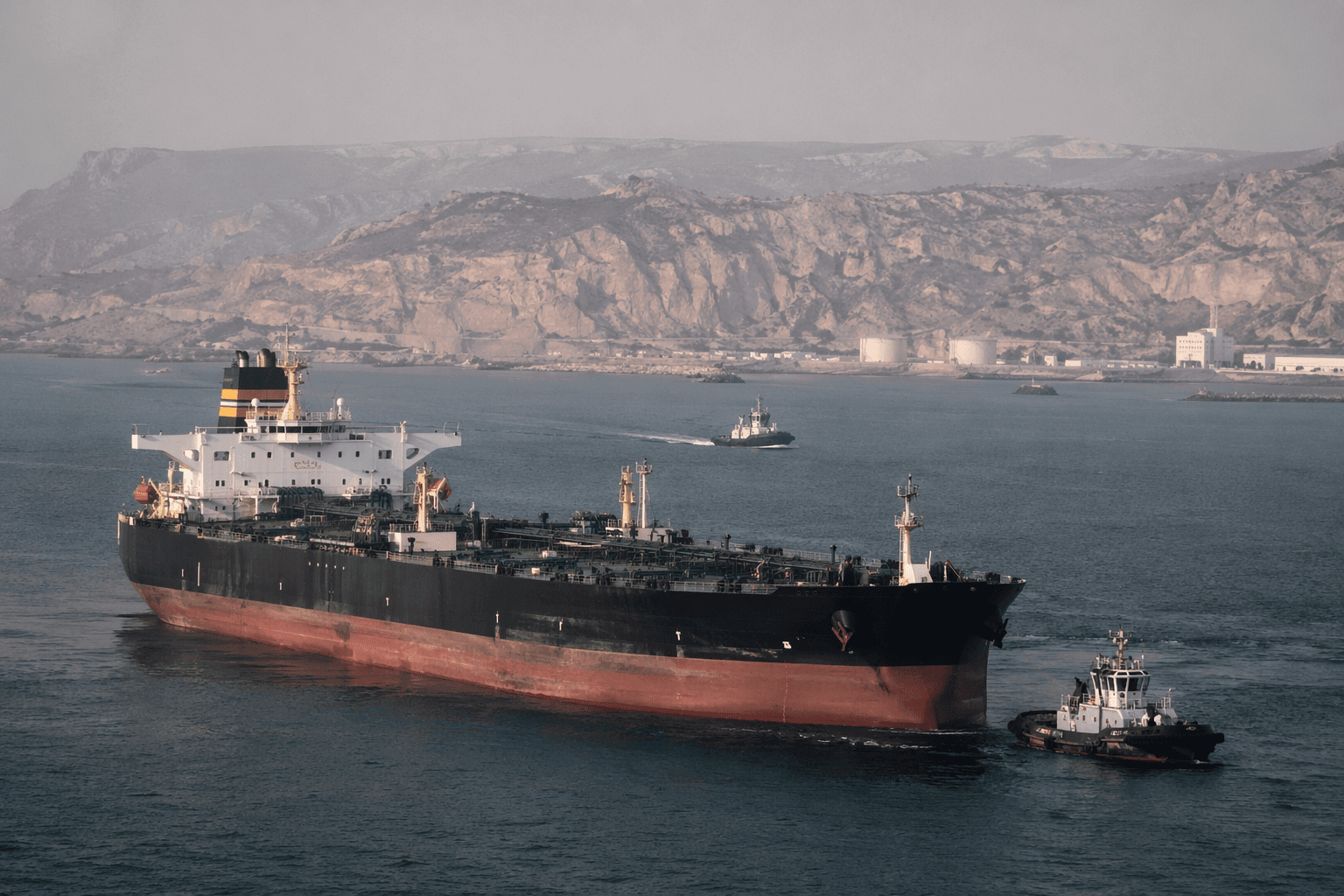
The stakes reach far beyond the battlefield. Before Tehran effectively closed the waterway during the war, roughly one-fifth of the world’s oil and natural gas exports moved through the Strait of Hormuz. Oil prices fell more than 3% after the announcement, underscoring how quickly a diplomatic breakthrough, even a partial one, can ripple through global energy markets. French President Emmanuel Macron welcomed the agreement and said it could help reopen the strait and reduce energy prices.
The same deal that calmed markets also exposed how much remains unsettled. Atlantic Council experts said the war had run for more than 100 days before the announcement and warned that the memorandum may only reduce violence temporarily while leaving the hardest issues for a second phase. Those unresolved questions include the mechanics of shipping through Hormuz, what Iran will give up on enrichment, and whether sanctions relief will follow. The arrangement was also drawing domestic criticism in the United States, Israel and Iran, while two Republican senators publicly criticized it and Trump joked that he would blame Vice President JD Vance if it failed.
The official text was released only after public outcry over the lack of disclosure. A veteran Iranian voice, Seyed Hossein Mousavian, treated the announcement as preliminary rather than final, a reminder that diplomacy at this stage is still a framework, not enforceable peace. For now, the agreement has paused a regional war and reopened a vital sea lane, but it has not answered whether either side will accept the concessions needed to make that pause last.
This article was produced by Prism’s automated news system from verified source data, official records, and press releases, then run through automated quality and moderation checks before publishing. The system is built and supervised by the people who set the standards it runs under. Read our full AI policy.
Know something we missed? Have a correction or additional information?
Submit a Tip