Taiwan urges swift U.S. approval of $14 billion arms package
Taiwan pressed Washington to move faster on a $14 billion arms package, as Lai Ching-te framed the delay as a test of U.S. resolve, not a provocation.
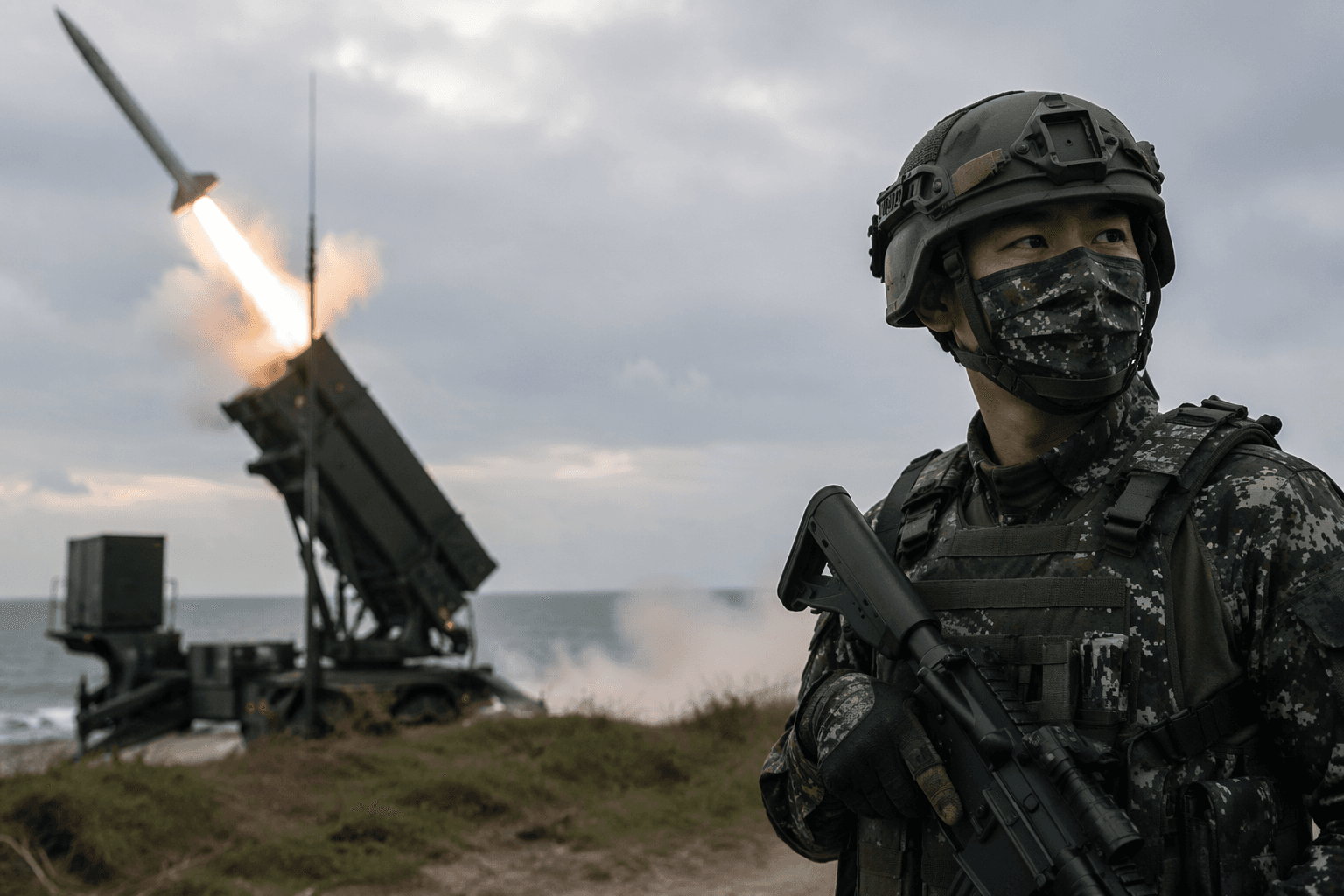
Taiwan President Lai Ching-te urged the United States to approve a proposed $14 billion arms package “as soon as possible,” casting the sale as part of Taiwan’s effort to protect itself rather than a challenge to Beijing. His remarks underscored how much Taiwan’s security still depends on a presidential decision in Washington, even after Congress approved the package in January.
The political stakes rose after Donald Trump said on May 15 that he had not decided whether to move ahead with the sale and described it as a possible “negotiating chip” with Beijing. Trump later said he planned to speak directly with Lai about the package, a striking development because no sitting U.S. president had spoken directly with a Taiwanese leader since Washington switched diplomatic recognition to Beijing in 1979.
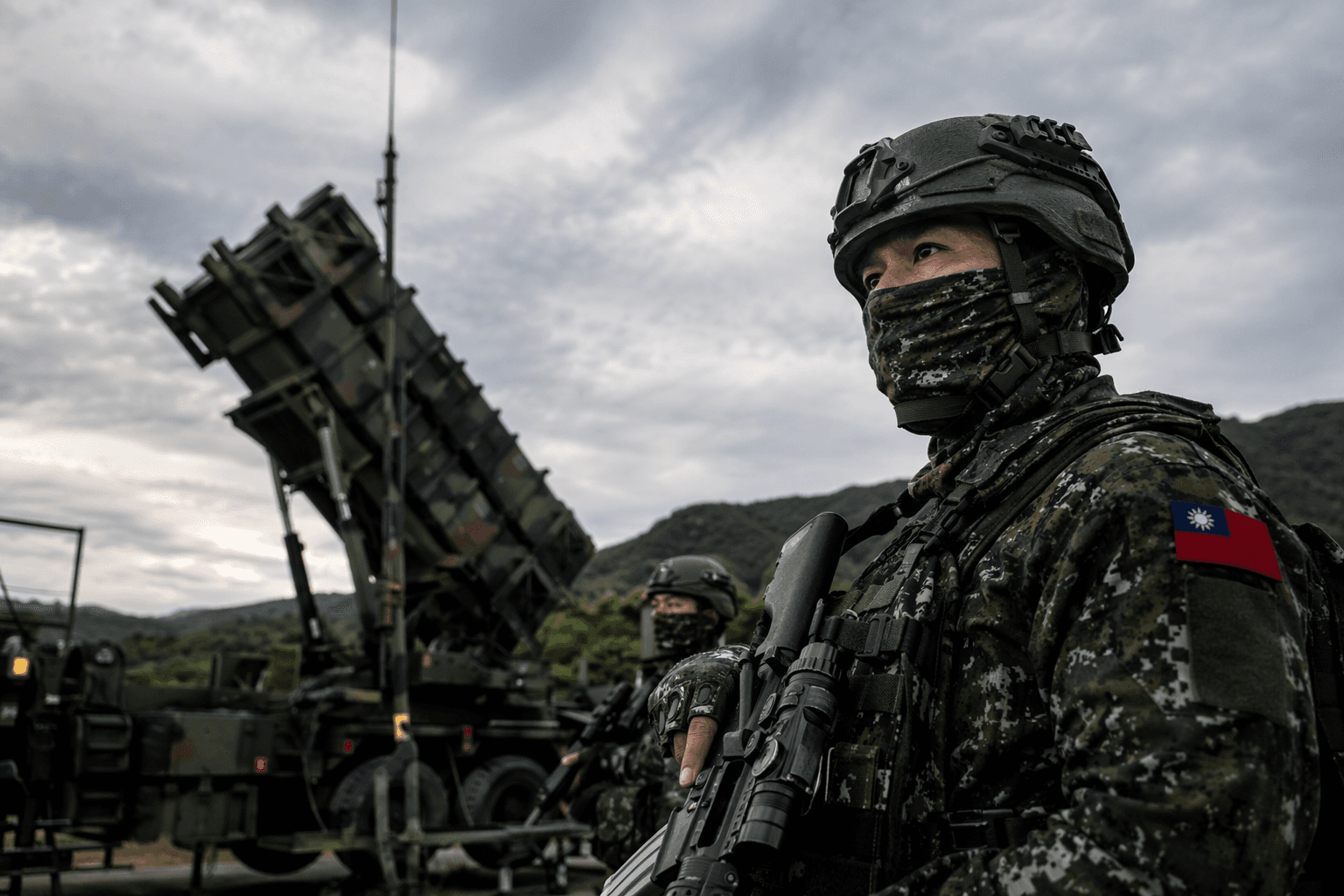
Lai’s message on June 18 was calibrated to project confidence while acknowledging vulnerability. He said Taiwan’s refusal to accept rule by the Chinese Communist Party should not be treated as provocation, a line aimed at reinforcing the island’s right to self-defense at a moment when China continues to increase military and diplomatic pressure around Taiwan. The arms-sale debate has become a test of whether deterrence will be strengthened by speed and clarity or weakened by delay and ambiguity.
The proposed package would matter not just as a political signal but as a material addition to Taiwan’s defense posture. Taiwan officials and supporters in Congress have argued that American weapons are a cornerstone of deterrence and regional peace, while Taiwan’s top diplomat in the United States has said the island needs U.S. arms to counter China’s growing threat. Even without details of the individual systems, the sale would reinforce Taiwan’s ability to sustain itself against the People’s Republic of China, which views the island as its own territory and opposes U.S. arms sales and official exchanges with Taipei.
The episode also highlights pressure from Washington on Taiwan to spend more on its own military. Lai has said he wants defense spending above 3% of gross domestic product, and Taiwan’s 2026 defense budget was reported at T$949.5 billion, about US$31.27 billion, equal to 3.32% of GDP. That marked the first time Taiwan’s spending had exceeded 3% since 2009. For Taipei, the combination of a larger domestic budget and a stalled U.S. package leaves deterrence dependent not only on weapons delivered, but on the credibility of American decisions made before they are signed.
This article was produced by Prism’s automated news system from verified source data, official records, and press releases, then run through automated quality and moderation checks before publishing. The system is built and supervised by the people who set the standards it runs under. Read our full AI policy.
Know something we missed? Have a correction or additional information?
Submit a Tip