Fed holds rates steady as inflation hits three-year high
Inflation jumped to 4.2% in May, but the Fed still held rates at 3.5% to 3.75%, signaling borrowing costs may stay high for longer.
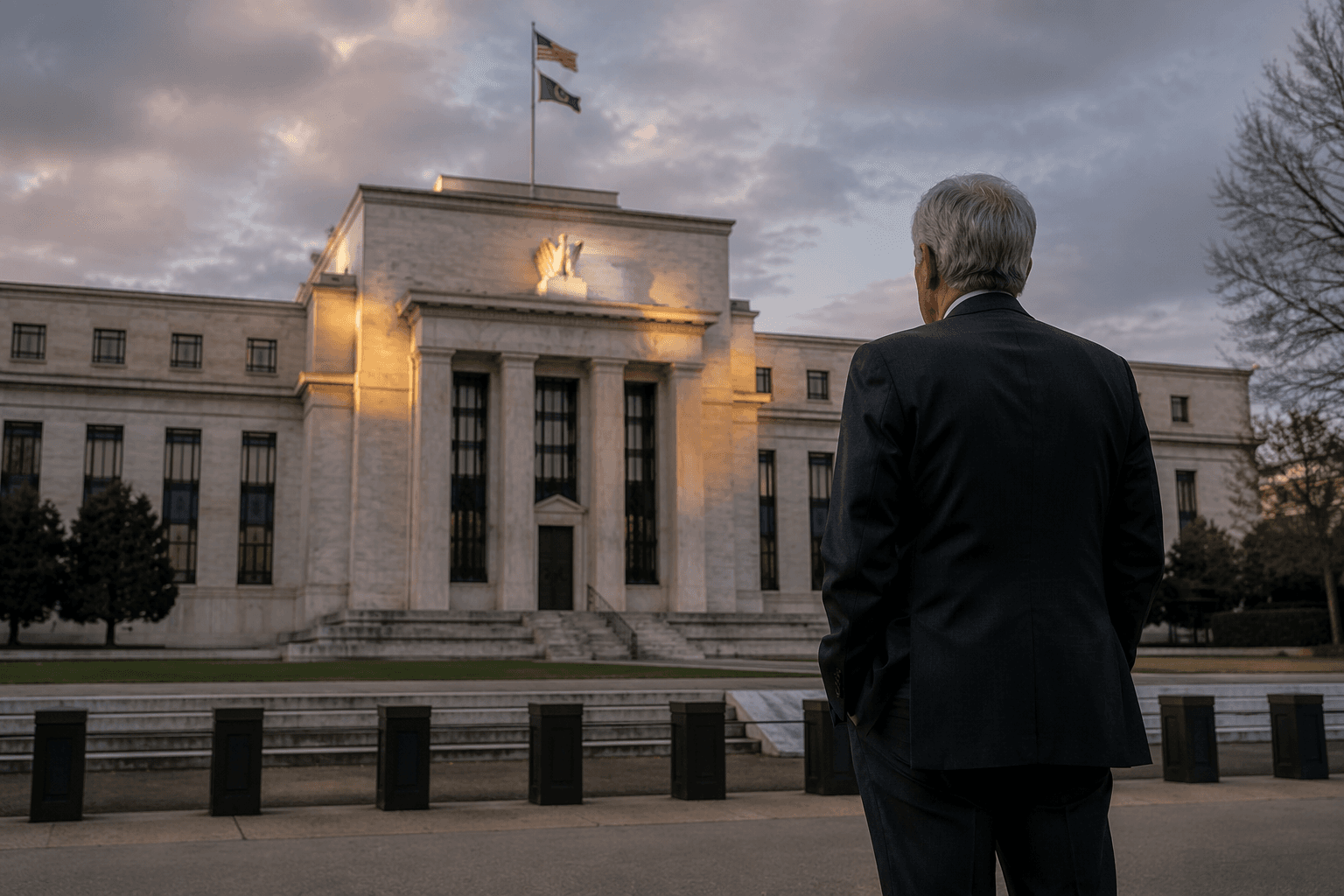
The Federal Reserve left interest rates unchanged even as inflation climbed to a three-year high, underscoring how stubborn price pressures have become. The benchmark federal funds rate stayed in a range of 3.5% to 3.75%, a decision that keeps pressure on households facing expensive mortgages, credit cards, car loans and everyday bills.
The move came after the Consumer Price Index rose 4.2% from a year earlier in May 2026, the sharpest annual increase since April 2023. Core CPI, which strips out food and energy, also accelerated to 2.9%. Energy prices were a major driver, jumping 3.9% in the month and 23.5% over 12 months, while core commodities prices slipped 0.1%, showing that inflation was not broad-based across every category.

For borrowers, the message is that relief may not come quickly. Mortgage rates are still shaped by the Fed’s path and broader market expectations, and the shift in tone from the central bank suggests those expectations may need to be adjusted. Credit card rates, which are closely tied to short-term interest costs, remain punishingly high for revolving balances. Auto loans also remain expensive, making monthly payments harder to manage for buyers already squeezed by higher grocery, utility and medical bills.
The June 16-17 Federal Open Market Committee meeting was the first under new Chair Kevin Warsh, and the central bank’s communication was noticeably more restrained. Its statement was shorter and simpler, with less forward guidance, and Warsh did not submit his own dot-plot projection. In the Summary of Economic Projections, nine of 18 participants projected at least one rate hike by the end of 2026, and the median forecast for the federal funds rate at year-end rose to 3.8% from 3.4% in March. That shift suggested officials were more concerned about inflation persistence than they were earlier in the year.
The unanimous vote also marked a contrast with January 28, when the Fed likewise held rates at 3.5% to 3.75% but Stephen I. Miran and Christopher J. Waller dissented in favor of a quarter-point cut. In June, there was no split.
Markets had already leaned toward no change, but the updated projections forced investors to reassess whether rate cuts are still the central case for 2026. Heather Long, chief economist at Navy Federal Credit Union, said Americans were being squeezed financially by inflation back at a three-year high, with gas, food, electricity and medical care all still running above the pace that would feel comfortable for households. Savings rates may stay relatively attractive if the Fed keeps policy restrictive, but the tradeoff is prolonged pain for borrowers and a longer wait for cheaper credit.
This article was produced by Prism’s automated news system from verified source data, official records, and press releases, then run through automated quality and moderation checks before publishing. The system is built and supervised by the people who set the standards it runs under. Read our full AI policy.
Did this article answer your question?

