Fed signals higher rates as inflation pressures resurge
Energy costs jumped 3.8% in April, helping push CPI to 3.8% and giving the Fed fresh reason to keep rates higher for longer.
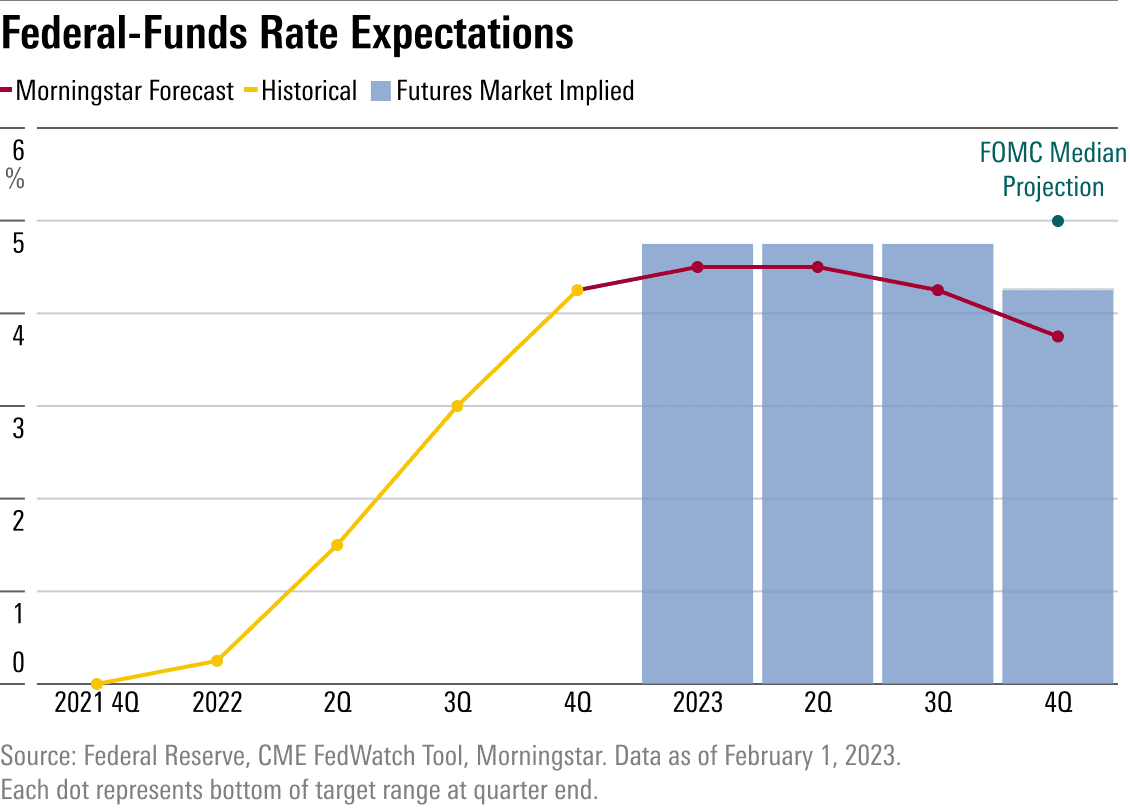
War-linked energy shocks are feeding back into U.S. prices, with consumer inflation rising to 3.8% in April and the Federal Reserve warning that higher energy costs and Middle East conflict effects had already pushed up its 2026 inflation forecast.
The Federal Reserve left its benchmark federal funds rate in a range of 3.5% to 3.75% in its Jan. 28 statement and said it would keep watching inflation pressures, inflation expectations, financial conditions and international developments before making its next move. In minutes from the April 28-29 meeting, policymakers said the staff’s inflation forecast for this year was higher than the one prepared for March, citing incoming data, higher energy prices and the effects of the Middle East conflict.

The latest price readings explain why the central bank has become more willing to contemplate tighter policy. The U.S. Bureau of Economic Analysis said the Fed’s preferred inflation gauge, the personal consumption expenditures price index, was up 3.5% in March from a year earlier. The U.S. Bureau of Labor Statistics said the consumer price index rose 3.8% in April from a year earlier, the fastest annual pace since spring 2023.

Energy was the main pressure point. The BLS said energy prices climbed 3.8% in April and accounted for more than forty percent of the monthly increase in the CPI. Shelter also remained sticky, rising 0.6% in April, a reminder that inflation is not confined to gasoline pumps alone. The combination matters for households in immediate ways: higher gas prices can spill into freight and food costs, while firmer shelter inflation keeps pressure on rent and housing-related budgets.
That dynamic is complicating the outlook for borrowing costs. Christopher J. Waller has said a continuing conflict and higher energy prices could reduce consumer spending and worsen the outlook, underscoring the risk that inflation and growth could both weaken at the same time. Still, the economy entered the spring with momentum, as real gross domestic product increased at a 2.0% annual rate in the first quarter, according to the BEA.
For consumers, the policy backdrop points to a longer period of expensive credit. Credit-card balances would keep carrying elevated interest charges if the Fed holds rates near current levels, and mortgage expectations would likely remain pinned to the view that cuts will come later, not sooner. If energy-driven inflation stays sticky, the Fed’s next move is more likely to be caution than relief.
This article was produced by Prism’s automated news system from verified source data, official records, and press releases, then run through automated quality and moderation checks before publishing. The system is built and supervised by the people who set the standards it runs under. Read our full AI policy.
Did this article answer your question?