Fed warns tariffs, AI demand and energy costs keep inflation high
Tariffs, data centers and higher power costs are keeping prices hot, with PCE still running about twice the Fed’s 2% target.

On July 10, the Federal Reserve said U.S. inflation “stepped up further this spring” as tariffs, a war-related rise in energy costs and the booming artificial intelligence buildout pushed price pressures higher. The central bank said the personal consumption expenditures price index was running about double its 2% longer-run objective as of May 2026, even as June unemployment held at 4.2% and GDP grew at a 2.1% annual pace in the first months of the year.
Tariffs are still feeding through supply chains. On July 8, economists at the Federal Reserve Bank of New York found that nearly half of the firms in their district that had paid tariffs still planned additional price increases to offset those costs, and some expected to raise prices six months or more into the future. A Federal Reserve note dated April 8 estimated that tariffs implemented through November 2025 had lifted core goods PCE prices by 3.1% through February 2026 and boosted core PCE prices overall by 0.8%. The Yale Budget Lab put tariff-related customs revenue at $214.7 billion above the 2022 to 2024 average as of February 2026, with an effective tariff rate of 10.6% in January.
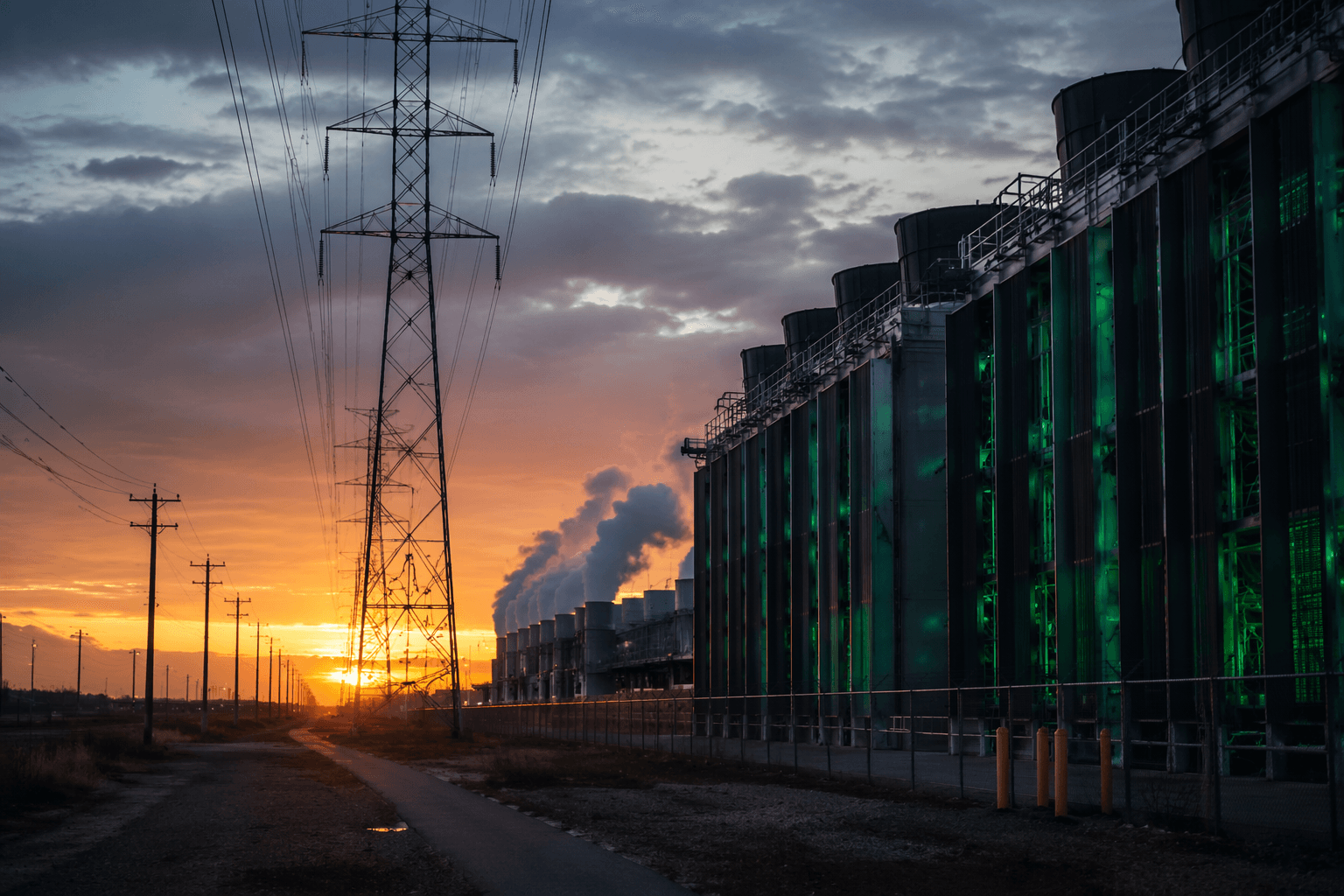
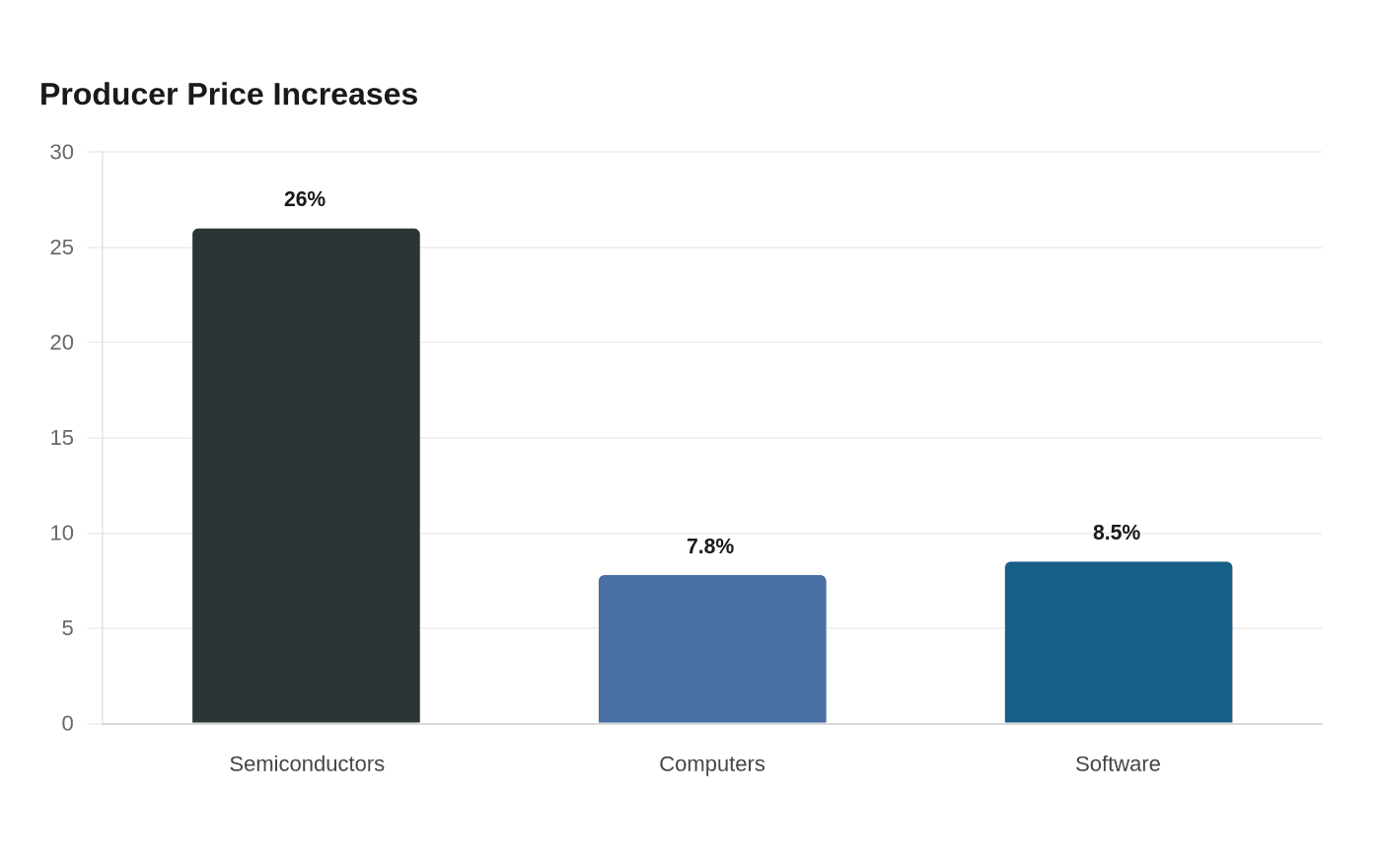
On March 5, the Federal Reserve Bank of Dallas estimated that a large-scale data-center buildout could raise annual PCE inflation in 2030 by 0.04 to 0.13 percentage points under plausible assumptions, and by nearly twice that if wind and solar growth slows. On June 30, the Federal Reserve Bank of Richmond found AI and data-center activity were already showing up in producer prices, including a 26.0% year-over-year jump in semiconductor and electronic component manufacturing prices in April, a 7.8% rise in computer and peripheral equipment manufacturing prices in February and an 8.5% increase in application software publishing prices in May.
The U.S. Energy Information Administration has warned that faster data-center growth could force costly grid upgrades, and it forecasts commercial electricity sales will rise 2.4% in 2026 and 4.3% in 2027, largely because of large computing facilities.
This article was produced by Prism’s automated news system from verified source data, official records, and press releases, then run through automated quality and moderation checks before publishing. The system is built and supervised by the people who set the standards it runs under. Read our full AI policy.
Did this article answer your question?